Exploring Zimbabwe by bike offers a unique blend of adventure and cultural immersion. From vast savannas to vibrant local markets, cycling here reveals hidden gems that typical tours often miss.
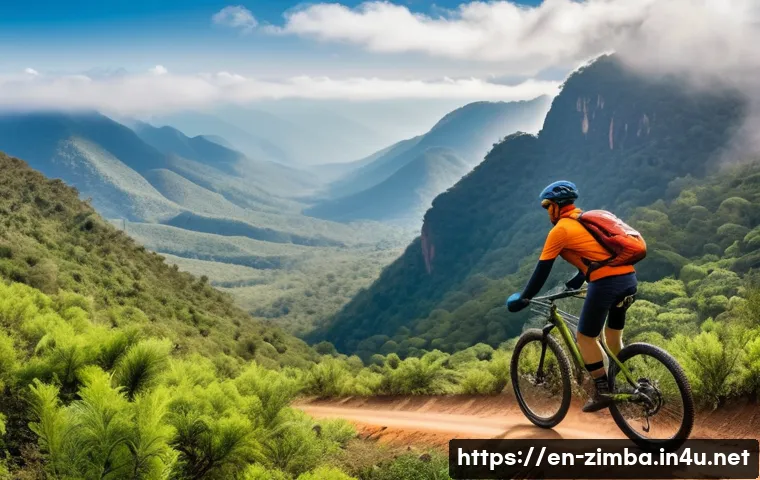
The diverse landscapes and warm-hearted communities make every mile an unforgettable experience. Whether you’re a seasoned cyclist or just looking for a new way to travel, Zimbabwe’s trails promise excitement and discovery.
Get ready to pedal through breathtaking scenery and connect with nature like never before. Let’s dive into the details and see what makes cycling in Zimbabwe truly special!
Discovering Zimbabwe’s Diverse Terrain
Rugged Trails Through National Parks
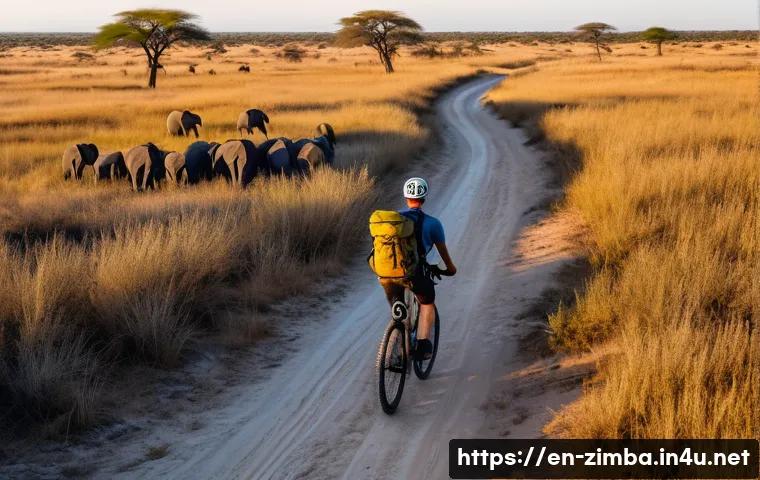
Cycling through Zimbabwe’s national parks offers a thrilling mix of rugged terrain and wildlife encounters. Places like Hwange National Park aren’t just about safari drives; hopping on a bike lets you experience the wild at a slower pace, giving you a chance to spot elephants or zebras from a unique vantage point.
The trails here can be challenging with rocky paths and occasional steep climbs, but the payoff is incredible views and a real sense of adventure. I remember pedaling through a dusty track at dawn, the cool air filled with bird calls, and suddenly spotting a herd of impalas grazing nearby — moments like that make it all worthwhile.
Savanna Landscapes and Open Skies
Beyond the parks, Zimbabwe’s vast savannas stretch endlessly, offering open roads framed by golden grasses and acacia trees. The landscape feels almost timeless, and the wide-open skies provide stunning sunrises and sunsets that you can soak in while taking a break.
Riding here is peaceful yet invigorating; the wind on your face and the quiet hum of your bike wheels create a perfect harmony with nature. It’s a stark contrast to city cycling, and the freedom it gives is addictive.
You can cover long distances without worrying about traffic or crowds, making it ideal for those who crave solitude and wide horizons.
Mountain Passes and Scenic Elevations
For cyclists looking to up the ante, the Eastern Highlands present an entirely different challenge. This region boasts rolling hills, steep mountain passes, and lush forests that feel like a world away from the lowland plains.
The climb can be tough, but the rewards include panoramic views of valleys below and cool, fresh air that’s a welcome relief from the heat. I’ve tackled some of these routes myself, and although my legs burned on the way up, reaching the summit and looking out over the misty hills made every pedal stroke worth it.
These routes test your stamina but also reward you with some of Zimbabwe’s most breathtaking scenery.
Engaging with Local Communities Along the Way
Warm Welcomes and Cultural Exchanges
One of the most memorable aspects of cycling through Zimbabwe is the chance to connect with the local people. Villages along popular routes often greet passing cyclists with curiosity and friendliness.
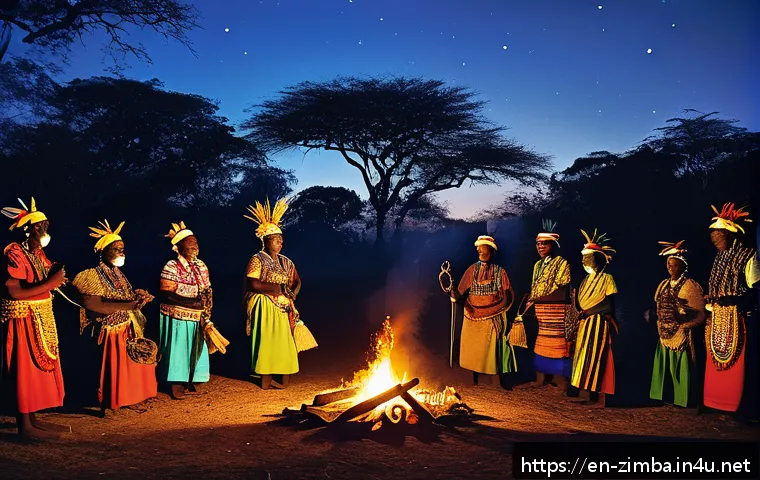
I’ve been invited for tea, shared stories with farmers, and even joined in traditional dances during impromptu village celebrations. These interactions bring a human element to the journey that you just can’t get from a bus tour.
It’s eye-opening to learn about daily life, local crafts, and traditions firsthand, and it adds a layer of richness to the entire trip.
Markets and Local Produce
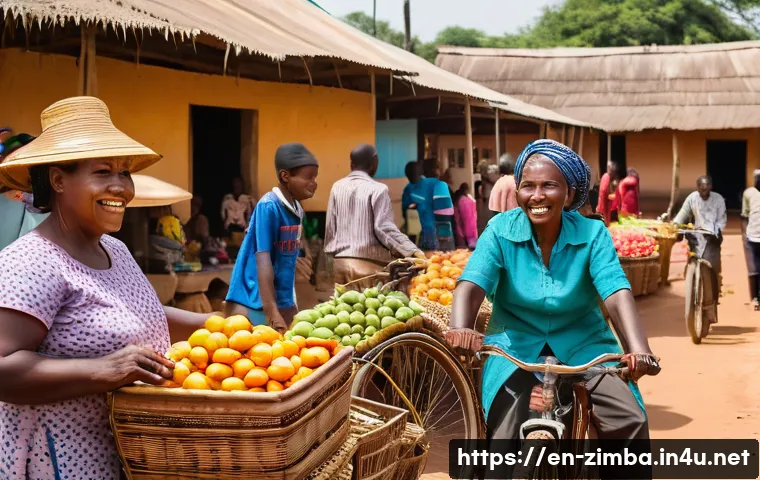
Stopping at local markets is a highlight for anyone cycling through Zimbabwe. These bustling hubs are full of colorful stalls selling everything from fresh fruits and vegetables to handmade baskets and textiles.
Sampling local snacks like roasted maize or fresh guavas while chatting with vendors offers a tasty break and an authentic glimpse into Zimbabwean life.
I found that the best way to support these communities is by buying directly from artisans or farmers, which also gives you a chance to pick up unique souvenirs.
Plus, the energy of these markets is contagious — they pulse with life and stories waiting to be discovered.
Practical Tips for Respectful Interaction
While engaging with locals is rewarding, it’s important to approach with respect and sensitivity. Always ask permission before taking photos and be mindful of cultural norms, especially in more traditional areas.
Learning a few basic Shona or Ndebele greetings can go a long way in building rapport. I’ve noticed that locals appreciate even small efforts to connect in their language or customs.
Carrying small gifts like school supplies or sweets can also open doors, but it’s best to offer these thoughtfully rather than indiscriminately. These simple gestures help foster genuine connections and make your cycling adventure even more meaningful.
Essential Gear and Preparation for Zimbabwe’s Trails
Choosing the Right Bike and Equipment
Zimbabwe’s varied terrain demands a versatile and sturdy bike. Mountain bikes with good suspension are ideal for handling rocky paths and uneven surfaces.
I personally opted for a hardtail with thick tires, which balanced comfort and speed perfectly on mixed trails. Don’t forget a reliable repair kit — flats and mechanical issues are common when riding through remote areas.
A lightweight helmet, gloves, and padded shorts also make a huge difference on longer rides, reducing fatigue and protecting against falls. I found that packing a hydration pack was a lifesaver, especially on hot days when water sources are scarce.
Navigation and Safety Considerations
Navigation can be tricky since many trails aren’t well marked. I used a combination of GPS apps and locally sourced maps to avoid getting lost. Cell signal can be spotty, so it’s wise to download offline maps and inform someone about your route before heading out.
Safety-wise, it’s best to avoid cycling alone in isolated areas, especially near wildlife reserves after dusk. Carrying a basic first aid kit and emergency whistle is essential.
I always made sure to wear bright clothing and have a bell or horn to alert animals or pedestrians. These precautions helped me feel secure and focus on enjoying the ride.
Packing Smart for Comfort and Convenience
Packing light but smart is key for multi-day trips. Essentials include quick-dry clothes, sunscreen, insect repellent, and a good camera to capture the stunning vistas.
I always brought along some energy bars and electrolyte tablets to stay fueled on long stretches without shops. A compact tent and sleeping bag are handy if you plan to camp, though there are also lodges and guesthouses along popular routes.
Keeping your gear organized in waterproof panniers helps protect everything from dust and sudden rain showers. Having a checklist before departure ensures you don’t forget crucial items, which can make or break your experience.
Popular Cycling Routes Worth Exploring
The Great Zimbabwe Loop
This iconic route takes you through the ruins of Great Zimbabwe, one of the country’s most significant archaeological sites, and surrounding countryside.
It’s a blend of history, culture, and natural beauty rolled into one ride. The terrain varies from gentle hills to challenging climbs, with plenty of opportunities to stop and explore villages or ancient stone structures.
I found the mix of cultural immersion and physical activity refreshing, and the sense of riding through history was truly humbling. It’s an excellent option for those looking to combine sightseeing with adventure.
Lake Kariba Shoreline Ride
Cycling along Lake Kariba’s shoreline offers stunning water views and a chance to spot wildlife such as hippos and birds along the way. The route is relatively flat but can be sandy in parts, requiring a bit of extra effort.
What makes this ride special is the peaceful atmosphere and the opportunity to relax by the lake after a day’s cycling. Small fishing villages dot the shore, giving you a glimpse into local livelihoods.
I enjoyed camping near the water and waking up to mist rising off the lake — a serene way to connect with nature after a long ride.
Nyanga National Park Trails
For mountain biking enthusiasts, Nyanga National Park is a must-visit. Its well-maintained trails wind through pine forests, waterfalls, and rolling hills.
The cooler climate here is a welcome change from the lowlands, making longer rides more comfortable. The park also offers picnic spots and scenic viewpoints that make great rest stops.
I tackled some of the more technical downhill sections and found the combination of natural beauty and adrenaline rush unforgettable. Nyanga’s trails cater to a range of skill levels, so whether you’re a beginner or an expert, there’s something for everyone.
Planning Your Cycling Trip: Costs and Logistics
Budgeting for Your Adventure
Cycling in Zimbabwe can be surprisingly affordable, but costs vary depending on your style of travel and gear. Renting a bike typically costs around $20 to $40 per day, while purchasing one can range from $300 upwards for a decent mountain bike.
Accommodation options vary from budget guesthouses at $10 to $50 per night, to more upscale lodges costing $100 or more. Food at local markets or small eateries is very inexpensive — a hearty meal can be as little as $2 to $5.
Planning a daily budget of around $30 to $50 is realistic for most travelers who want a comfortable yet adventurous experience.
Transportation and Accessibility
Getting to Zimbabwe’s cycling hotspots often involves flying into Harare or Bulawayo airports. From there, hiring a car or taking local transport to trailheads is common.
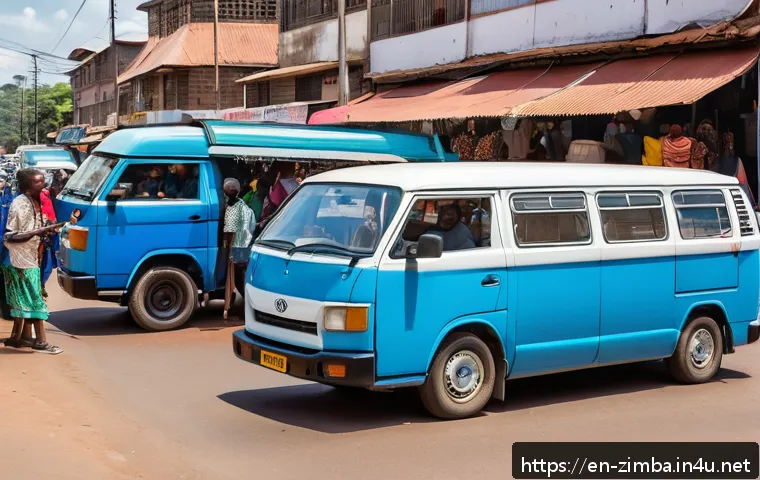
Some routes are accessible by public buses or minibuses, but schedules can be unpredictable, so renting a vehicle offers more flexibility. I found that combining cycling with occasional vehicle support helped cover longer distances and carry heavier gear.
It’s also worth noting that road conditions vary — paved roads around cities and main towns are good, but rural paths can be rough, so patience and preparedness are key.
Seasonal Considerations and Best Times to Ride
The best time to cycle in Zimbabwe generally falls between May and October, during the dry season. Trails are less muddy, temperatures are cooler, and wildlife sightings tend to be more frequent near water sources.
The rainy season from November to April can make some routes impassable and increase the risk of mechanical problems. I personally avoided the rainy months because the roads turned slippery and campsites flooded.
Planning your trip during dry months maximizes enjoyment and safety, though it’s wise to check local weather forecasts and park conditions before setting out.
| Aspect | Details |
|---|---|
| Bike Type | Mountain bike with suspension, durable tires |
| Typical Daily Distance | 30-60 km depending on terrain and rider experience |
| Accommodation Options | Guesthouses, lodges, camping |
| Average Costs | Bike rental: $20-$40/day, Food: $2-$5/meal, Accommodation: $10-$100/night |
| Best Season | Dry season (May-October) |
| Common Challenges | Rough terrain, limited signage, wildlife encounters |
| Essential Gear | Helmet, repair kit, hydration pack, navigation tools |
Wildlife Encounters from the Saddle
Spotting Animals Safely While Cycling
One of the perks of cycling through Zimbabwe’s natural areas is the chance to see wildlife in their habitats without the barrier of a vehicle. From a bike, you’re quieter and less intrusive, which sometimes means animals are more relaxed around you.
However, it’s crucial to keep a safe distance and be aware of your surroundings, especially near larger mammals like elephants or buffalo. I learned to stop and observe quietly, avoiding sudden movements or loud noises that might startle them.
Carrying a pair of binoculars helped me enjoy sightings from afar, and always having an escape route in mind was a good safety practice.
Birdwatching on Two Wheels
Zimbabwe is a birdwatcher’s paradise, and cycling lets you explore habitats that might be missed on traditional tours. Early morning rides often reward you with sightings of colorful species like lilac-breasted rollers, fish eagles, and various hornbills.
I found that stopping at waterholes or forest edges gave the best chances to catch glimpses of rare birds. Bringing along a field guide app or book enhanced the experience, turning each ride into a mini birding adventure.
For anyone who loves nature, this aspect alone makes cycling in Zimbabwe extra special.
Respecting Wildlife and Conservation Efforts
While enjoying these encounters, it’s important to respect conservation rules and local guidelines. Many parks and reserves have strict regulations to protect animals and their habitats, such as staying on designated trails and not feeding wildlife.
I always made a point to follow these rules, knowing that responsible tourism helps preserve these environments for future visitors and the animals themselves.
Supporting local conservation projects through park fees or donations is another way to contribute. This balance between adventure and stewardship makes the experience more rewarding and sustainable.
Food and Hydration Tips for Cyclists
Eating to Fuel Long Rides
Proper nutrition is key when tackling Zimbabwe’s challenging routes. Local food options are often fresh and flavorful, with staples like sadza (a maize porridge), vegetables, and grilled meats providing sustained energy.
I made a habit of eating a hearty breakfast before heading out and carrying portable snacks like nuts, dried fruits, and energy bars for mid-ride refueling.
Balancing carbohydrates with proteins helped keep my energy steady without feeling too heavy. Sampling street food was a fun way to try new flavors, but I always prioritized hygiene to avoid any stomach issues that could derail my trip.
Staying Hydrated in a Warm Climate
Zimbabwe’s climate can get quite warm, especially during midday rides, making hydration crucial. I relied heavily on carrying at least two liters of water and refilling whenever possible at villages or campsites.
Adding electrolyte tablets or powders helped replace minerals lost through sweat, which made a noticeable difference in how I felt at the end of long days.
It’s also smart to avoid alcohol or excessive caffeine, as they can dehydrate you further. I found that drinking small amounts frequently was more effective than gulping large quantities sporadically.
Local Drinks and Refreshments to Try
Along the way, trying local beverages adds to the cultural experience. Traditional drinks like maheu, a fermented maize beverage, offer a refreshing and slightly tangy taste that’s both hydrating and energizing.
Fresh fruit juices from mangoes or guavas are common at markets and roadside stalls, perfect for a natural sugar boost. I once stopped at a small village where a family offered me homemade ginger tea — a soothing treat after a dusty ride.
Exploring these local flavors not only supports small businesses but also gives your body a welcome break from plain water.
Maintaining Your Bike on the Road
Common Mechanical Issues and Quick Fixes
When cycling in remote areas, mechanical problems are almost inevitable. Flats from thorns or rough terrain are the most common, so carrying spare tubes, a patch kit, and a mini pump is non-negotiable.
Chain slips or derailleur misalignment can happen too, especially after bumpy rides. I learned some basic repairs from locals and fellow cyclists, which saved me from long delays.
Having a multitool and some lubricant handy allowed me to keep the bike in good shape even far from bike shops. Being prepared for these issues made the journey less stressful and more enjoyable.
Finding Local Repair Services
While Zimbabwe has bike shops in larger towns, they can be scarce in rural areas. It’s wise to plan your route with repair stops in mind or carry extra parts if you’re heading into remote zones.
I once had to rely on a small workshop in a village where the mechanic didn’t speak English but managed to fix my flat tire with remarkable skill. These moments highlight the resourcefulness and kindness you’ll often find off the beaten path.
Building a small network of contacts before your trip can also help you get assistance when needed.
Routine Bike Care Tips for Long Trips
Regular maintenance during your trip helps prevent breakdowns. Cleaning your bike after dusty or muddy rides, checking tire pressure daily, and tightening bolts reduce the risk of bigger issues.
I made it a habit to inspect the brakes and gears every evening, which caught small problems early. Carrying a rag and some bike cleaner made these tasks easier.
Taking a little extra time for bike care was a small investment that paid off in reliability and smoother rides throughout my Zimbabwe adventure. It also gave me a satisfying sense of control and confidence on the road.
In Conclusion
Exploring Zimbabwe by bike offers a unique blend of adventure, culture, and natural beauty that few other experiences can match. From rugged trails and vast savannas to engaging with welcoming local communities, each ride reveals a new layer of this diverse country. Whether you’re seeking challenging climbs or peaceful lakeside routes, Zimbabwe’s cycling paths promise unforgettable memories. With the right preparation and respect for the environment, your journey here will be both thrilling and deeply rewarding.
Useful Information to Keep in Mind
1. Always prepare your bike with durable tires and carry essential repair tools to handle Zimbabwe’s rough terrain effectively.
2. Plan your trip during the dry season (May to October) for safer trails and better wildlife sightings.
3. Engage respectfully with local communities by learning basic greetings and asking permission before taking photos.
4. Stay hydrated and fuel your rides with local foods and drinks to maintain energy and enjoy cultural flavors.
5. Use offline maps and inform someone of your route to ensure safety, especially in remote or less-marked areas.
Key Takeaways for Your Zimbabwe Cycling Adventure
To make the most of cycling in Zimbabwe, choose a mountain bike suited for mixed and challenging terrains, and always carry a comprehensive repair kit. Respect for wildlife and local customs enhances the experience while supporting conservation efforts ensures these landscapes remain pristine. Timing your visit during the dry season maximizes trail accessibility and wildlife encounters. Lastly, thoughtful interaction with local communities not only enriches your journey but also fosters meaningful connections that go beyond the ride itself.
Frequently Asked Questions (FAQ) 📖
Q: What is the best time of year to go cycling in Zimbabwe?
A: From my experience, the ideal time to cycle in Zimbabwe is during the dry season, which runs from May to October. The weather is cooler and there’s less rain, making the trails more accessible and enjoyable.
I found the scenery especially stunning in August and September when the landscapes are lush but not muddy, perfect for long rides. Plus, wildlife viewing tends to be better in these months since animals gather around water sources.
Q: Are the cycling routes in Zimbabwe suitable for beginners or only experienced riders?
A: Zimbabwe offers a variety of routes that cater to both beginners and seasoned cyclists. I tried some easier paths around Harare and Victoria Falls that were mostly flat and well-maintained, great for newcomers.
For those looking for a challenge, the rugged trails in the Eastern Highlands provide more technical terrain and stunning hill climbs. The key is to choose routes that match your fitness level and to prepare for some rough patches, especially off the beaten path.
Q: How safe is it to cycle through rural areas and interact with local communities?
A: In my experience, Zimbabwean communities are incredibly welcoming and curious about visitors on bikes. It’s generally safe to cycle through rural areas, but like anywhere, it’s wise to stay aware of your surroundings and avoid isolated spots after dark.
Engaging with locals often leads to memorable cultural exchanges, and many small villages are happy to share stories or offer refreshments. Carrying a basic first-aid kit and having a local guide or contact can add an extra layer of security and comfort.