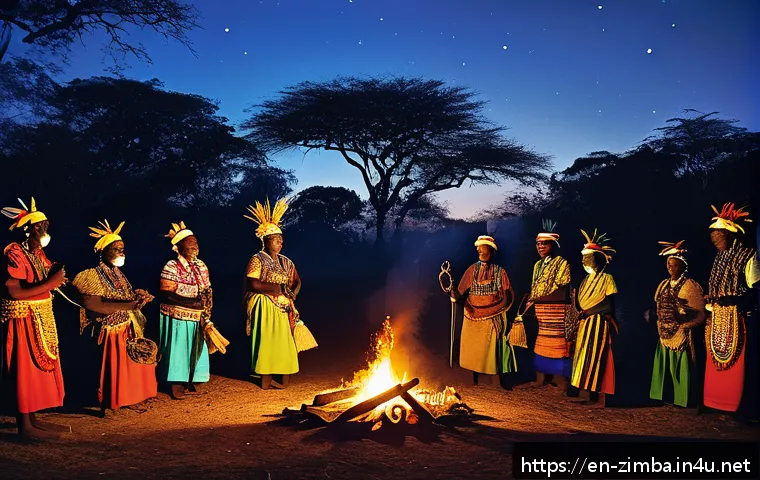
In a world where modernity often overshadows ancient traditions, Zimbabwe’s rich spiritual heritage offers a fascinating glimpse into the soul of a nation.
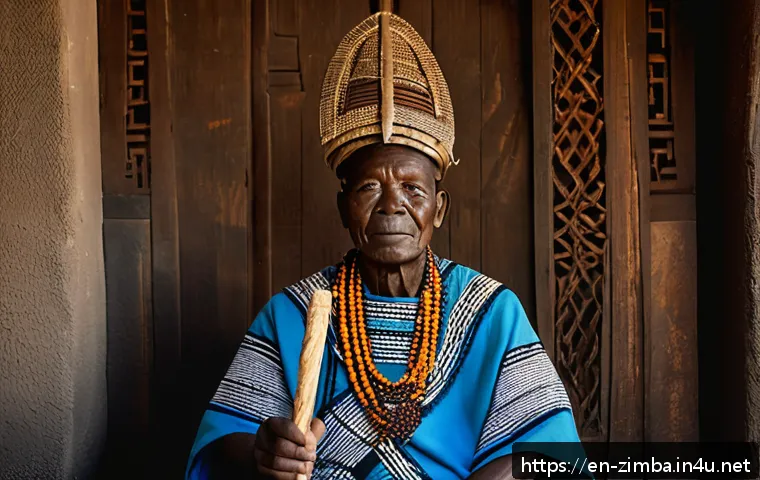
Recent global interest in indigenous wisdom has sparked renewed curiosity about the traditional beliefs and rituals that continue to influence Zimbabwean life.
From sacred ceremonies to ancestral reverence, these practices are not just relics of the past but living, breathing elements shaping identity and community today.
Join me as we journey into Zimbabwe’s ancient spirituality, uncovering the profound connections that have withstood time and continue to inspire. This exploration promises insights that go beyond history, touching the heart of cultural resilience and meaning.
The Living Pulse of Ancestral Spirits
Communicating Through Rituals
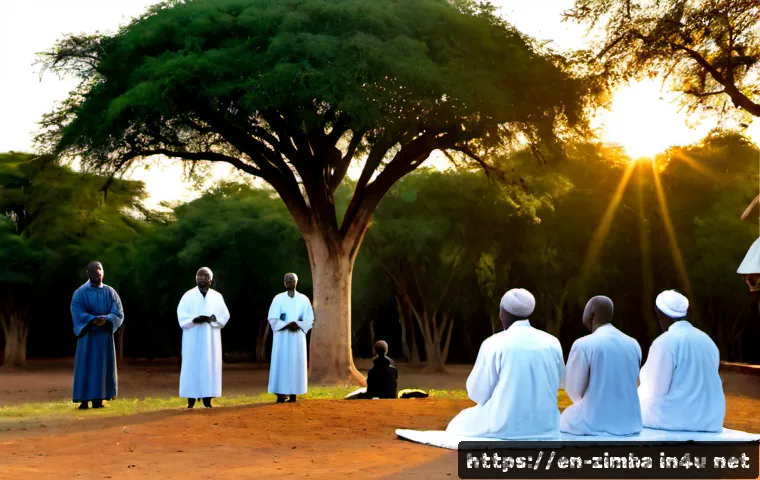
The heartbeat of Zimbabwe’s spiritual landscape is its ongoing dialogue with ancestors. Unlike a static concept, ancestral spirits are believed to actively participate in the daily lives of communities.
Rituals, such as the bira ceremony, are vibrant occasions where music, dance, and offerings create a bridge between the living and the departed. I’ve witnessed firsthand how these ceremonies foster a sense of belonging and guidance, with spirit mediums channeling messages that influence decisions and resolve conflicts.
The continuity of this practice underscores a profound respect for lineage and the unseen forces shaping existence.
Symbolism in Sacred Objects
Sacred artifacts like the mhondoro (lion spirit) masks or ritual beads are not mere decorations but vessels of spiritual power. These objects, often handcrafted with intricate detail, embody protection, wisdom, and identity.
During my visits to rural areas, I noticed how elders carefully guard these items, handing down stories and lessons tied to each piece. The craftsmanship itself becomes a form of prayer and dedication, linking generations through shared symbols that carry more than aesthetic value—they are living testimonies of cultural endurance.
The Role of Spirit Mediums
Spirit mediums, known as svikiro, serve as essential intermediaries between the physical and spiritual worlds. Their role extends beyond ritual performance; they are counselors, healers, and community leaders.
Observing a svikiro in action revealed a delicate balance of intuition, tradition, and communal responsibility. The respect they command is palpable, and their guidance is sought for everything from health issues to social harmony.
This dynamic highlights the intricate weave of spirituality and practical living in Zimbabwean society.
Harmony with Nature: The Sacred Environment
Land as a Spiritual Entity
In Zimbabwean belief systems, the land itself is considered sacred and alive with spiritual energy. This connection transcends physical sustenance, embedding ethical responsibilities to care for the environment.
I learned that certain forests, rivers, and mountains are protected as spiritual sites where ancestral spirits dwell. Communities often conduct rituals in these natural spaces, reinforcing the idea that environmental stewardship is intertwined with spiritual well-being.
This worldview offers a refreshing contrast to modern exploitation, emphasizing balance and respect.
Seasonal Festivals and Agricultural Cycles
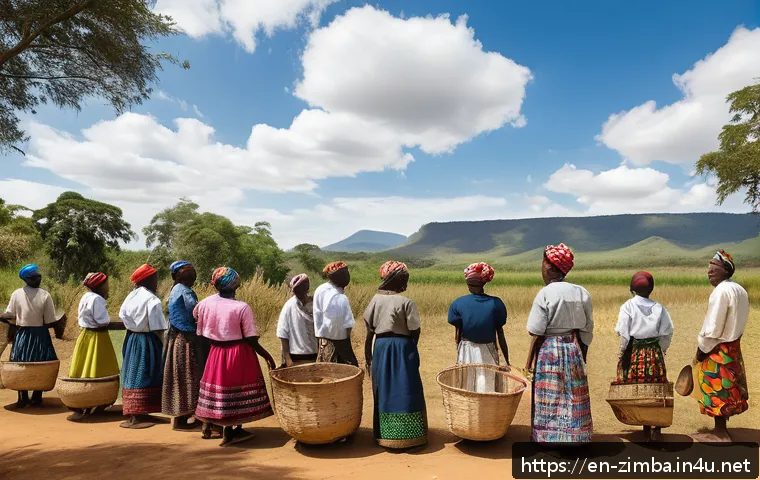
The rhythm of planting and harvesting is punctuated by ceremonies that seek blessings for a bountiful yield. These festivals are not only agricultural markers but social events that strengthen community bonds.
Participating in one such festival, I saw how dance and song express gratitude and hope, while elders invoke ancestral spirits to watch over the crops.
The timing and nature of these ceremonies reflect a deep understanding of ecological cycles and the spiritual forces believed to influence them, blending practicality with reverence.
Traditional Ecological Knowledge
Beyond ritual, indigenous wisdom includes detailed knowledge about medicinal plants, animal behavior, and sustainable resource management. This body of knowledge, passed orally and through practice, is invaluable for both cultural identity and environmental conservation.
During a conversation with a local healer, I was amazed by the precision and depth of understanding regarding natural remedies and their spiritual significance.
This holistic approach to health and nature exemplifies a worldview where the physical and spiritual are inseparable.
Community Bonds Forged in Spiritual Practice
Collective Participation and Identity
Spiritual ceremonies in Zimbabwe are deeply communal, fostering a collective identity that transcends individualism. Whether it’s a rain-making ritual or a rite of passage, the entire community engages in shared responsibility and celebration.
From my experience attending such events, the sense of unity is overwhelming, with everyone contributing roles that affirm their place in the social fabric.
This participatory nature strengthens resilience and continuity, making spirituality a living, breathing force in everyday life.
Conflict Resolution and Social Order
Traditional spiritual practices often serve as mechanisms for resolving disputes and maintaining social harmony. Elders and spirit mediums mediate conflicts through rituals that invoke ancestral authority and moral accountability.
I found this approach strikingly effective, as it blends spiritual belief with practical governance. The rituals provide a framework where grievances are aired, and reconciliation is sought with a deeper sense of justice informed by cultural values.
This system complements formal legal structures, highlighting the multifaceted nature of community cohesion.
Passing Wisdom Across Generations
The transmission of spiritual knowledge is an ongoing process involving storytelling, apprenticeship, and participation in ceremonies. This ensures that younger generations inherit not only beliefs but also the skills and values necessary to sustain them.
I observed how elders take great care in mentoring youth, emphasizing respect, humility, and connection to ancestors. This intergenerational dialogue keeps traditions vibrant and adaptable, allowing them to evolve while retaining their core essence.
The Intersection of Spirituality and Modern Life
Adaptation in Urban Settings
As Zimbabwe’s population increasingly urbanizes, traditional spiritual practices are adapting to new contexts. Urban dwellers maintain ancestral connections through household shrines or community gatherings, blending old customs with contemporary lifestyles.
I encountered several city-based practitioners who skillfully navigate this duality, preserving rituals while engaging with modern challenges. This adaptive quality highlights the resilience of spirituality as a source of identity and support amid rapid social change.
Influence on Contemporary Art and Music
Zimbabwean spirituality profoundly influences the country’s vibrant art scene, from sculpture to music. Traditional themes and symbols are reinterpreted in contemporary works, creating a dialogue between past and present.
During a local art exhibition, I noticed how artists draw on spiritual motifs to express identity, resistance, and hope. Music festivals often feature mbira performances, connecting audiences to ancestral rhythms that inspire both reflection and celebration.
This creative fusion ensures that spiritual heritage remains a dynamic part of cultural expression.
Challenges and Opportunities in Preservation
The preservation of spiritual traditions faces challenges from globalization, religious conversion, and economic pressures. However, there is growing recognition of their cultural and ecological value, prompting initiatives to document and revitalize practices.
I’ve been encouraged by community-led projects that integrate education, tourism, and heritage conservation, offering sustainable pathways to keep spirituality alive.
These efforts demonstrate a commitment to honoring the past while embracing future possibilities.
Healing Practices Rooted in Spiritual Wisdom
The Role of Traditional Healers
Traditional healers, or n’angas, are central figures in Zimbabwe’s holistic health system. Their approach combines herbal medicine, spiritual guidance, and ritual cleansing.
I had the opportunity to observe a healing session where the n’anga diagnosed ailments by interpreting spiritual signs and prescribed treatments tailored to both body and spirit.
This integrative method often complements modern medicine, highlighting a nuanced understanding of health that acknowledges unseen influences and the interconnectedness of life.
Spiritual Cleansing and Protection
Rituals aimed at cleansing negative energies and protecting individuals or communities are common. These may involve burning herbs, chanting, or symbolic gestures intended to restore harmony.
I experienced one such ritual that left a profound impression—its calming effect and sense of renewal were palpable. These practices underscore the belief that well-being extends beyond the physical, involving spiritual balance and protection against misfortune.
Community Health and Spiritual Support
Healing is not solely an individual pursuit but a communal process involving support networks and shared rituals. Spiritual gatherings provide spaces for emotional expression, collective prayer, and mutual aid.
This communal dimension enhances resilience and fosters a sense of solidarity, particularly during times of crisis. Witnessing these interactions illuminated how spirituality strengthens social fabric and contributes to holistic health beyond conventional medicine.
Key Elements of Zimbabwean Spiritual Traditions
| Element | Description | Role in Community |
|---|---|---|
| Ancestor Worship | Honoring deceased relatives believed to guide and protect the living | Maintains social order, provides spiritual guidance |
| Bira Ceremony | Nighttime ritual involving music and dance to communicate with spirits | Connects community with ancestors, resolves issues |
| Spirit Mediums (Svikiro) | Individuals who channel ancestral spirits for advice and healing | Leadership, conflict mediation, spiritual counseling |
| Traditional Healers (N’angas) | Practitioners of herbal medicine and spiritual healing | Health care, spiritual cleansing, protection |
| Sacred Natural Sites | Forests, rivers, and mountains believed to house spirits | Environmental stewardship, ritual venues |
| Ritual Objects | Masks, beads, and symbols used in ceremonies | Embodiment of spiritual power, cultural identity |
Spiritual Festivals: Celebrations of Continuity and Change
Annual Harvest Celebrations
Harvest festivals are lively events that blend gratitude, spirituality, and social connection. Communities gather to thank ancestral spirits for the bounty and seek blessings for future crops.
From my experience, these occasions are marked by vibrant performances and communal feasting that reinforce bonds and collective identity. The festivals also provide moments of reflection on human-nature relationships and cultural heritage.
Initiation Rites and Coming of Age
Rites of passage are crucial spiritual milestones that mark transitions in life stages. These ceremonies, often involving seclusion, teachings, and ritual acts, impart moral values and community responsibilities.
Witnessing an initiation rite revealed the deep emotional and spiritual significance attributed to these events, which serve to integrate individuals fully into their cultural and social worlds.
They are powerful affirmations of continuity and belonging.
Modern Influences on Traditional Celebrations
While rooted in ancient practices, Zimbabwe’s spiritual festivals are not immune to contemporary influences. Elements such as technology, media, and urbanization have altered how these events are organized and experienced.
Yet, rather than eroding tradition, these changes often stimulate creative adaptations that keep festivals relevant and accessible. This dynamic interplay between preservation and innovation reflects the living nature of Zimbabwean spirituality.
Conclusion
Zimbabwean spiritual traditions offer a vibrant tapestry of ancestral reverence, environmental harmony, and communal solidarity. These practices continue to adapt while preserving deep cultural roots, demonstrating resilience in the face of modern challenges. Experiencing these living traditions reveals a profound connection between the past and present, nature and society, spirit and everyday life.
Useful Information to Know
1. Ancestral spirits are actively involved in guiding communities through ceremonies like the bira, which strengthen social bonds and resolve conflicts.
2. Sacred objects such as masks and beads carry spiritual significance beyond their appearance, linking generations through shared cultural identity.
3. Spirit mediums (svikiro) and traditional healers (n’angas) play vital roles in health, counseling, and maintaining social harmony.
4. Zimbabwe’s spiritual worldview deeply respects the land, integrating environmental care with rituals and traditional ecological knowledge.
5. Spiritual festivals and rituals continue to evolve, blending ancient customs with modern influences to remain relevant and inclusive.
Key Takeaways
The essence of Zimbabwean spirituality lies in its dynamic interplay between ancestral guidance, nature reverence, and community involvement. These traditions foster resilience by balancing preservation with adaptation, ensuring cultural continuity. Recognizing the roles of spirit mediums, healers, and sacred practices highlights a holistic approach to life that integrates physical, social, and spiritual well-being.
Frequently Asked Questions (FAQ) 📖
Q: What are some key traditional spiritual practices still observed in Zimbabwe today?
A: Zimbabwe’s spiritual landscape is deeply rooted in ancestral reverence and sacred ceremonies. Practices such as the Bira ceremony, where families invite ancestral spirits to communicate and provide guidance, remain vibrant.
People also engage in rituals involving spirit mediums, known locally as “svikiro,” who act as intermediaries between the living and the spiritual world.
These practices are not merely symbolic; they play an active role in resolving community conflicts, healing, and preserving cultural identity.
Q: How do Zimbabwean spiritual beliefs influence daily life and community values?
A: Spirituality in Zimbabwe isn’t confined to isolated rituals—it permeates daily life and shapes social values. Respect for ancestors and nature is central, encouraging harmony within families and communities.
Many Zimbabweans consult spiritual leaders before making important decisions, from farming to marriage. This interconnectedness fosters a strong sense of belonging and continuity, where the past informs present actions, reinforcing resilience and collective well-being.
Q: Why is there a growing global interest in Zimbabwe’s indigenous spiritual heritage?
A: The global fascination with Zimbabwe’s indigenous spirituality stems from a broader search for meaning and connection in an increasingly modernized world.
People are drawn to the authenticity and depth of these ancient traditions, which offer alternative perspectives on identity, healing, and community. Additionally, Zimbabwe’s spiritual practices exemplify cultural resilience, showing how ancient wisdom can adapt and thrive despite historical challenges, inspiring others to value and preserve their own heritage.