With Zimbabwe steadily gaining attention as a vibrant travel and business destination, many are curious about the role English plays in daily life there.
As a country with multiple languages, understanding how widely English is spoken and understood can make a huge difference for visitors and professionals alike.
Recently, shifts in education and media have influenced language use, making this topic more relevant than ever. Let’s dive into the current landscape of English proficiency in Zimbabwe and explore what you can realistically expect when communicating in English on the ground.
Whether you’re planning a trip, work project, or simply interested in linguistic trends, this overview will shed light on the practical side of English in Zimbabwe today.
Everyday Communication: How English Fits Into Zimbabwean Life
English in Urban and Rural Settings
English is most commonly heard and used in Zimbabwe’s cities, especially in Harare and Bulawayo. In these urban centers, you’ll find English dominating in business, government offices, schools, and media.
However, once you step outside the city limits, especially in rural areas, English tends to take a backseat to indigenous languages like Shona and Ndebele.
That said, many rural Zimbabweans still learn basic English at school, so simple conversations are often possible. It’s quite common for locals to switch fluidly between English and their native tongues depending on the context, which can sometimes surprise visitors expecting English to be everywhere.
The Role of English in Education
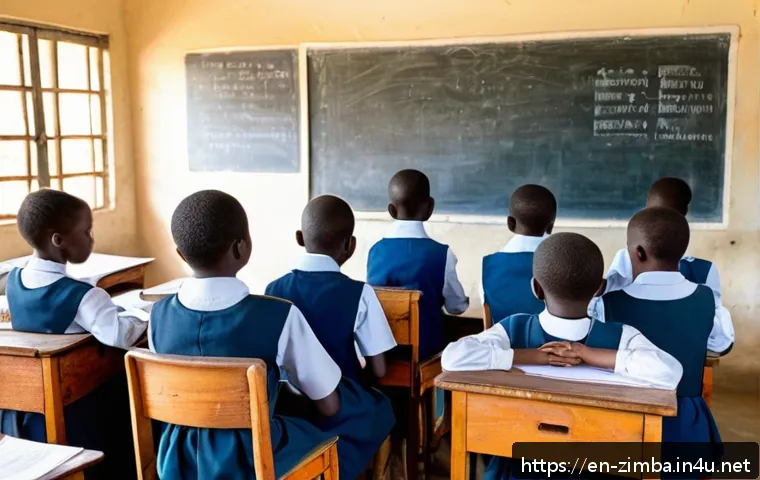
English holds a significant place in Zimbabwe’s education system. From primary school onward, instruction is primarily delivered in English, which means most young people develop a solid foundation in the language.
This focus on English education has steadily improved literacy rates and overall language proficiency. However, the quality of English can vary widely between schools in urban areas and those in less resourced rural districts.
For professionals and students planning to engage with Zimbabwean institutions, a good command of English will definitely ease communication and academic success.
English in Media and Digital Spaces
Zimbabwe’s media landscape heavily favors English, with newspapers, television channels, and radio stations broadcasting largely in English. Social media platforms also showcase a vibrant mix of English and local languages, reflecting the country’s bilingual nature.
This media presence not only reinforces English’s prominence but also exposes Zimbabweans to global trends and information, making English an essential tool for staying connected in today’s digital age.
For travelers and business visitors, engaging with media in English offers an accessible way to understand current events and cultural nuances.
Business and Professional Environments: English as the Lingua Franca
Workplace Communication Standards
In the professional world, English is the de facto language for communication across most sectors in Zimbabwe. Whether you’re dealing with government agencies, multinational companies, or local startups, English is the standard for meetings, reports, and official correspondence.
This uniformity helps streamline operations and supports Zimbabwe’s growing business ties internationally. From my experience, having a good grasp of business English can open doors and create smoother interactions, especially when negotiating contracts or managing projects.
English and International Trade
Zimbabwe’s increasing participation in international trade means that English often serves as the bridge language. Exporters, importers, and service providers frequently rely on English to negotiate deals, draft agreements, and maintain partnerships.
In this regard, English proficiency is not just a convenience but a vital asset for anyone involved in the country’s economic activities. Understanding local business etiquette alongside language skills can enhance credibility and trust with Zimbabwean counterparts.
Challenges in Language Use at Work
While English is widely used, it’s important to recognize some challenges. Not everyone speaks English fluently, and accents or local idioms can sometimes cause misunderstandings.
In more rural-based industries or smaller businesses, local languages might dominate informal conversations even when English is the official language.
This mix requires patience and adaptability from foreigners working in Zimbabwe. Personally, I’ve found that showing willingness to learn a few words in Shona or Ndebele often helps build rapport and bridges communication gaps.
Language Diversity and Its Impact on English Usage
Multilingual Landscape of Zimbabwe
Zimbabwe is home to multiple indigenous languages, with Shona and Ndebele being the most widely spoken. This rich linguistic diversity means that while English acts as a unifying official language, it coexists alongside many local tongues.
In daily life, people often switch between languages based on setting, audience, and topic. This dynamic multilingualism influences how English is used—sometimes in a formal, polished way, and other times mixed with local expressions or accents.
Code-Switching and Language Mixing
One fascinating aspect of Zimbabwean communication is the frequent code-switching between English and native languages. This blend is not just a casual habit but an integral part of cultural identity and expression.
For visitors, hearing this interplay can be both charming and confusing. It’s common, for example, to hear English sentences peppered with Shona or Ndebele words, especially in informal settings or among friends.
Understanding this linguistic pattern helps in better grasping the nuances of communication beyond just literal English.
Language Policy and Government Influence
The Zimbabwean government officially recognizes English as the country’s official language, alongside 16 other indigenous languages. This policy aims to promote inclusiveness while maintaining English as the language of governance, education, and national unity.
Over the years, efforts to support local languages have grown, but English remains dominant in formal sectors. For those interacting with government services or legal matters, English proficiency is crucial, but an appreciation of local languages also shows cultural respect.
Practical Tips for Using English in Zimbabwe
Adapting to Local English Variants
English spoken in Zimbabwe has its unique flavor, influenced by local languages and culture. Expect to hear some distinct vocabulary, idiomatic expressions, and pronunciation differences that might not be familiar to native English speakers elsewhere.
For instance, certain English words may be pronounced with a local accent or mixed with Shona or Ndebele terms. Being open and curious about these differences can enhance communication and show respect for local culture.
Effective Communication Strategies
When engaging with Zimbabweans in English, clarity and patience are key. If you notice hesitation or confusion, rephrasing or slowing down your speech often helps.
Using simple, straightforward English rather than overly complex terms can prevent misunderstandings. Also, paying attention to non-verbal cues and showing genuine interest in local language and customs will go a long way in building trust and effective dialogue.
Learning Basic Local Phrases
While English is widely understood, learning a few basic greetings or expressions in Shona or Ndebele can enrich your interactions significantly. Simple phrases like “Hello” (Mhoro in Shona, Sawubona in Ndebele) or “Thank you” (Tatenda or Ngiyabonga) often delight locals and open doors to deeper connections.

This small effort demonstrates cultural sensitivity and often encourages locals to reciprocate with patience and warmth when speaking English.
English Proficiency: Data and Insights
Overview of Language Skills Across Regions
The level of English proficiency varies considerably between urban and rural areas, and between different age groups. Younger Zimbabweans, especially those educated in cities, tend to have strong English skills.
Meanwhile, older generations or rural populations may rely more on indigenous languages in daily life, with English reserved for formal or official settings.
This split reflects educational access and exposure to media.
Comparative Language Use in Key Sectors
English dominates in government, education, and business sectors, but in agriculture, local languages often prevail in informal communication. In healthcare, English is used for medical terminology and official documentation, while patients and providers may converse in native languages for comfort and clarity.
Summary Table of English Usage Patterns
| Context | English Usage Level | Notes |
|---|---|---|
| Urban Areas (Harare, Bulawayo) | High | English is primary language in schools, workplaces, media |
| Rural Areas | Moderate to Low | English used mainly in formal settings; indigenous languages dominate daily speech |
| Education | High | English is medium of instruction from primary level; proficiency varies by school quality |
| Business and Government | Very High | English is official language for communication and documentation |
| Media and Digital Platforms | High | English predominant; local languages also widely used in social media |
Social Dynamics Shaping English Usage
Generational Differences in Language Preference
Younger Zimbabweans, especially those exposed to modern education and global culture, tend to prefer English or a mix of English and local languages. Older generations often maintain stronger ties to indigenous languages but may use English in formal contexts.
This generational split influences how English is spoken, with younger people adopting more globalized expressions and slang that might feel unfamiliar to outsiders.
Language and Identity
Language in Zimbabwe is deeply tied to cultural identity. For many, speaking indigenous languages is a source of pride and connection to heritage. English, while essential for official and international communication, is sometimes viewed as a practical tool rather than a cultural marker.
This duality means that English usage often reflects not just necessity but also social status, education, and professional ambition.
Community Attitudes Towards English
Most Zimbabweans see English as a valuable skill that opens opportunities, both locally and abroad. However, there is also a strong movement to preserve and promote local languages to maintain cultural diversity.
In casual conversations, you may notice people switching to local languages to express emotion or humor more vividly, reserving English for neutral or formal topics.
Future Trends in English Language Use
Impact of Technology and Globalization
As internet access expands and Zimbabwe becomes more connected globally, English usage is expected to grow, especially among youth and professionals. Digital platforms, international media, and online education increasingly rely on English, which accelerates its adoption and evolution.
For anyone engaging with Zimbabwe’s future markets or culture, staying attuned to these trends is essential.
Educational Reforms and Language Policy Changes
Ongoing debates about the balance between English and indigenous languages in schools could influence future proficiency levels. Some advocate for stronger support of local languages alongside English to foster bilingualism and cultural pride.
These reforms may shift how and when English is taught, potentially broadening access but also creating new challenges for language learners.
Practical Advice for Long-Term Engagement
For travelers, investors, or expatriates planning extended stays, investing time in learning both English and basic local languages will yield the best results.
Building relationships through language shows respect and facilitates smoother daily life and business dealings. Observing how English adapts and blends with local culture will also enrich your experience in Zimbabwe’s vibrant, multilingual society.
In Conclusion
English plays a vital role in Zimbabwe’s daily life, bridging diverse cultures and communities. Its presence is strongest in education, business, and media, yet it harmoniously coexists with rich indigenous languages. Embracing both English and local tongues opens doors to deeper understanding and connection. Whether visiting or working here, appreciating this linguistic balance enriches the experience.
Useful Information to Keep in Mind
1. English is widely used in urban areas but less dominant in rural regions where local languages prevail.
2. Education primarily takes place in English, though quality and proficiency vary depending on location.
3. Business and government sectors rely heavily on English for official communication and documentation.
4. Many Zimbabweans switch between English and indigenous languages, reflecting cultural identity and context.
5. Learning basic phrases in Shona or Ndebele can greatly enhance communication and cultural respect.
Key Takeaways
Understanding Zimbabwe’s linguistic landscape requires recognizing English as an essential yet adaptable tool rather than the sole mode of communication. Its coexistence with indigenous languages shapes social interaction, education, and professional environments. For successful engagement, patience, openness to local variations, and respect for cultural diversity are crucial. This balanced approach fosters meaningful connections and smoother communication across the country.
Frequently Asked Questions (FAQ) 📖
Q: How widely is English spoken and understood in Zimbabwe?
A: English is one of Zimbabwe’s official languages and is widely used in government, education, and business. Most urban residents and professionals speak English fluently, especially in cities like Harare and Bulawayo.
However, in rural areas, local languages like Shona and Ndebele dominate daily communication, so English proficiency may be limited. For travelers and professionals, speaking English will usually suffice, but having some knowledge of local languages can enhance interactions.
Q: Has the role of English changed recently in Zimbabwe’s education and media?
A: Yes, there have been notable shifts. English remains the primary language of instruction in schools, but there’s growing emphasis on promoting indigenous languages alongside it.
Media outlets increasingly broadcast in multiple languages, reflecting Zimbabwe’s linguistic diversity. This bilingual or multilingual approach means English is still very important but shared with local languages, shaping how people consume news and entertainment today.
Q: What should visitors or business people realistically expect regarding English communication in Zimbabwe?
A: Visitors can expect to navigate most urban and professional settings in English without much trouble. Service providers, government offices, and businesses typically operate in English.
However, outside major cities, English fluency can vary, so patience and openness to cultural differences are key. For business, clear and respectful communication in English is appreciated, but understanding some local customs and language nuances will help build stronger relationships.