Visitors can respectfully experience religious life in Zimbabwe by attending public worship where guests are welcome, asking before joining any ceremony, and choosing guides who can clearly explain consent and community benefit.
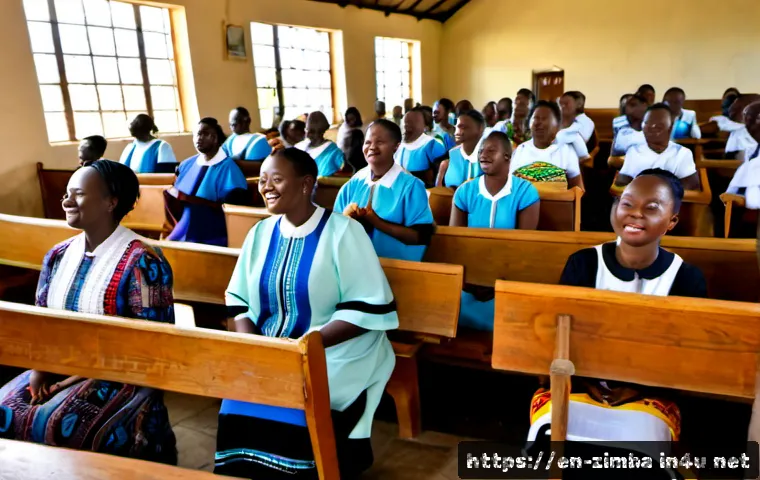
Private, family-based, and sacred practices should never be treated as itinerary items without direct permission. Christianity is widely practiced, Apostolic churches are visible in many communities, and indigenous spiritual and ancestral traditions remain important for some families.
A local guide or responsible tour operator can be useful when language, transport, introductions, or local customs are unfamiliar. The best booking choice is not always the most polished package; it is the one with transparent fees, clear permission, and no pressure to enter restricted spaces.
Plan for flexibility, confirm photography rules in advance, and keep donations separate from quoted service costs.
At a Glance
- Attend a public church service only when visitors are welcomed, and ask before taking part beyond observing.
- Private ancestral rites, family ceremonies, and sacred places may require direct community permission or may not be open to visitors.
- Choose guides and cultural experiences that explain consent, local benefit, payment details, and photography rules clearly.
| Visit Option | Best Use Case | What to Verify Before Going | Cost Transparency |
|---|---|---|---|
| Independent public service | Travelers comfortable attending a welcoming church service respectfully | Whether guests are welcome, expected dress, arrival time, and photo policy | Ask whether any donation is customary; keep it separate from transport costs |
| Local cultural guide or private driver-guide | Visitors needing introductions, transport support, or help with etiquette | How permission is obtained, language support, itinerary flexibility, and all included services | Request a clear breakdown for guiding, transport, meals, and optional donations |
| Community-hosted visit | Small groups seeking a host-led cultural exchange with meaningful local involvement | Who hosts, whether the community approved the visit, and who receives payment | Ask what is paid to hosts and what is paid for coordination or transport |
| Packaged cultural tour | Travelers who prefer pre-arranged logistics and accommodation planning | Whether the religious element is genuinely permitted rather than staged for visitors | Check inclusions, exclusions, optional activities, and cancellation conditions |
What Visitors Can Respectfully Experience in Zimbabwe
Public worship, community events, and traditions that may be open to guests
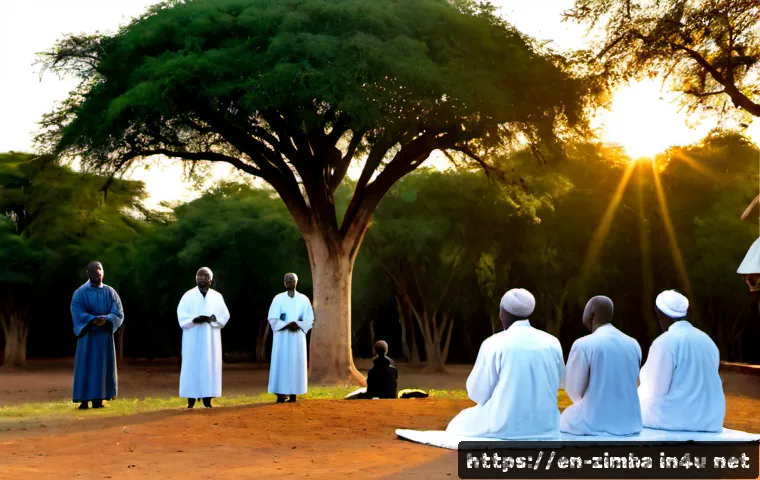
Zimbabwe’s Constitution protects freedom of religion, belief, and conscience. Christianity is widely practiced, with many denominations and independent church movements represented. For a visitor, a public worship service may be the most appropriate starting point if the congregation welcomes guests.
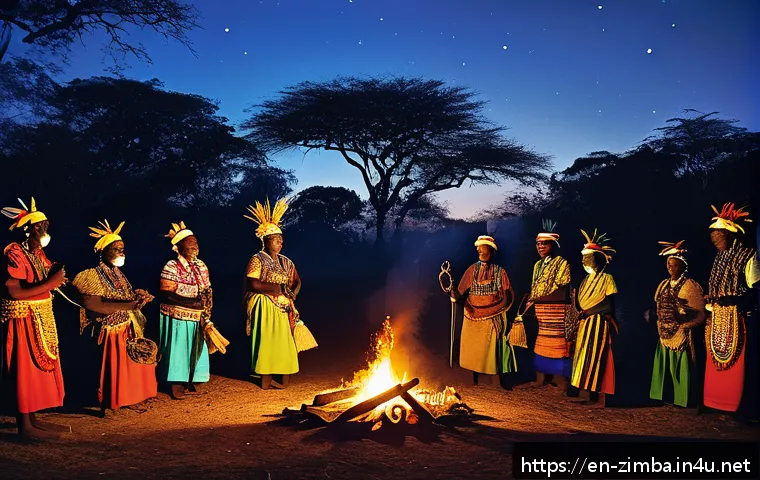
Apostolic churches are visible in many communities and may have distinctive worship practices, clothing, and gathering customs. These differences are not a performance for travelers. Attend with the same care you would show in any active place of worship: arrive quietly, follow the host’s direction, and avoid assuming that visible traditions are open for explanation or recording.
Why an invitation matters more than a travel itinerary
Indigenous spiritual beliefs and ancestral traditions remain important for some Zimbabwean families and communities. Access to sacred places, ceremonies, and family-led spiritual practices may be restricted. Even a well-organized Zimbabwe itinerary does not create permission to enter a private rite.
An invitation is the real access point. It should come from an appropriate community contact, family representative, religious leader, or host who has the authority to welcome visitors. If the answer is uncertain, treat that as a no rather than something to negotiate.
A quick answer for first-time cultural travelers
Start with a public service or a clearly community-hosted cultural visit. Let a respectful host explain what is appropriate. Avoid asking to “see a ceremony” as though faith were a sightseeing attraction, and be ready to change plans if a gathering becomes private.
Compare Visit Options Before You Book
Independent attendance at a public church service
Independent attendance can work well when a church clearly welcomes visitors. It is usually the simplest option for travelers who want to observe worship without arranging a specialized cultural experience. Confirm the expected arrival time, dress expectations, seating arrangements, and whether visitors should introduce themselves.
This option requires patience. You may not understand every part of a service, and that is fine. Observe quietly rather than treating a worship gathering as an interview opportunity.
Hiring a local cultural guide or private driver-guide
A local guide or private driver-guide can make planning easier when transport, introductions, and language differences are concerns. English is widely used in tourism and official settings, while Shona and Ndebele are major local languages. A capable guide should help you communicate respectfully, not promise access to private rituals.
Ask directly: Who gave permission for this visit? What happens if the host changes the plan? Are photographs allowed? A guide who is comfortable with those questions is more useful than one who makes vague promises about exclusive access.
Community-hosted visits versus generic cultural tour packages
A community-hosted visit may offer more direct contact with local hosts, while a standard tour package may simplify transport, accommodation, and scheduling. Neither label alone proves that an experience is ethical. The key issue is whether hosts have meaningful control over participation and whether payment arrangements are explained honestly.
Be cautious when a package markets a sacred practice as guaranteed entertainment. A respectful cultural tour should allow room for community decisions, changing schedules, and a host’s right to decline photos or visitor participation.
Questions to ask about fees, consent, and who benefits
Before paying, request a simple written or spoken breakdown: guide service, private transport, meals, accommodation, entry arrangements, and optional donations. Prices for guides, transport, cultural programs, and contributions can vary, so do not rely on assumed fixed rates.
- Is this visit approved by the people receiving us?
- Who will host or introduce us?
- What is included in the quoted fee?
- Are donations optional, and are they separate from the service fee?
- What happens if the gathering is not open to visitors that day?
Etiquette for Churches, Ceremonies, and Sacred Spaces
Dress, greetings, seating, and when to observe quietly
Choose neat, modest clothing unless a host gives different guidance. Do not assume that another visitor’s clothing is the standard for every church or community. When you arrive, greet the person receiving you, wait for direction about seating, and follow the pace of the gathering.
If you are unsure whether to stand, sing, respond, or join a procession, observe first. A quiet question to your host at an appropriate moment is better than guessing. Respect also means accepting that you may be asked simply to watch, or not to enter.
Photography, audio recording, and social-media consent
Photography rules can differ greatly between churches, ceremonies, rural communities, and sacred sites. Never assume that a guide’s approval replaces permission from the relevant host. Ask before taking photos, filming, recording audio, or posting anything online.
Consent for one image is not consent for a full recording or a social-media post. If people appear identifiable, ask again before publishing. When the answer is no, put the device away without debate.
Donations, gifts, and respectful ways to contribute
Do not treat a donation as an entry ticket. If a host indicates that a contribution is appropriate, ask how it should be given and keep it distinct from any guide or transport fee. A respectful guide can explain the process without pressuring you.
Avoid arriving with gifts based on assumptions about what a community needs. Ask your host or guide first. Clear communication is more respectful than an improvised gesture.
Plan the Logistics Without Reducing Faith to a Spectacle
Building time for transport, introductions, and changing schedules
Religious gatherings and community visits do not always run like commercial attractions. Build time for transport, introductions, waiting, and possible changes. A flexible itinerary protects both your experience and the host’s ability to set boundaries.
Do not ask a host to rush worship or a family event because a driver is waiting. When booking a driver-guide, discuss flexibility before departure and agree on what happens if a visit cannot proceed.
Using USD, confirming payment methods, and requesting a clear cost breakdown
The United States dollar is commonly used in many visitor-facing transactions, but accepted currencies and payment methods can vary by location and business. Confirm payment methods directly with your accommodation, transport provider, guide, or tour operator before relying on one option.
For any paid visit, ask for a cost breakdown in advance. Separate service fees, transport, meals, and optional donations. This makes it easier to compare responsible tour operators and avoids awkward financial discussions in front of hosts.
Choosing accommodation and transport that support a flexible itinerary
When comparing accommodation, look for practical factors: location, communication support, transport access, and a booking policy that fits a schedule that may change. For transport, confirm pickup arrangements, waiting expectations, and whether your driver understands that access to a gathering is never guaranteed.
Travel insurance can also be worth comparing for its stated trip and transport-related conditions. Review the policy details directly rather than assuming that every plan covers the same situations.
Situations That Require Extra Care
Private ancestral rites and family-led ceremonies
Private ancestral rites and family-led ceremonies deserve the highest level of caution. These are not automatically open to outsiders, even when someone describes them as culturally significant. Do not seek access through pressure, extra payment, or a camera-focused request.
If a host says a ceremony is private, thank them and move on. Respectful travel includes accepting limits without needing an alternative spectacle.
Rural visits, language differences, and local leadership
In rural settings, introductions and local leadership may matter greatly. English may be useful, but it should not be assumed to replace local language or local protocol. A guide who speaks Shona or Ndebele may help communication, but the guide should still defer to the people hosting the visit.
Ask who should be greeted first, whether there are areas you should avoid, and whether questions are welcome. Keep questions open and nonjudgmental; do not demand personal explanations of belief.
When to decline an experience that feels staged, pressured, or unclear
Decline when permission is vague, fees are unclear, photography is pushed, or you are told that sacred access is guaranteed. Also step away if hosts appear uncomfortable or if the experience seems designed to make people perform their faith for visitors.
“No photos,” “not today,” and “this is private” are complete answers. A responsible guide, accommodation contact, or tour operator should respect them immediately.
Selection Criteria and Comparison Summary
The ethical guide checklist: permission, local knowledge, transparent pricing, and no pressure
Choose a guide or cultural experience using a few practical standards. Look for clear answers about permission, local contacts, transport arrangements, payment breakdowns, and photo rules. Avoid providers that present private religious access as a product.
Which option suits solo travelers, small groups, and photography-focused travelers
Solo travelers may prefer a public service or a private driver-guide for easier introductions. Small groups should stay small in practice: a large visitor presence can change the tone of a community gathering. Photography-focused travelers should choose general cultural or landscape opportunities unless specific image permission has been confirmed by the host.
Final decision checklist before confirming a booking
Confirm permission. Ask whether visitors are welcome and who approved the visit.
Confirm boundaries. Clarify dress, participation, photography, recording, and posting rules.
Confirm money. Separate guide fees, transport, meals, accommodation, and optional donations.
Confirm flexibility. Accept that a ceremony or sacred space may become unavailable.
Confirm safety planning. Compare transport, accommodation, travel insurance, and vetted local guiding services based on their actual terms and communication.
For official guidance, detailed booking conditions, and current payment arrangements, check directly with the relevant provider before confirming.
In Closing
Experiencing religious traditions in Zimbabwe is less about gaining access and more about showing good judgment. Public worship may offer a respectful starting point when guests are welcome. Private ceremonies and sacred practices require direct permission, and sometimes the respectful choice is not to attend. A thoughtful guide can help with logistics, but no booking should override a community’s boundaries.
Useful Things to Know
English: Widely used in tourism and official settings, alongside major local languages including Shona and Ndebele.
Currency: USD is commonly used in many visitor-facing transactions, though accepted currencies and payment methods can vary.
Photos: Rules are specific to each church, ceremony, community, and sacred site.
Schedules: Confirm details directly and allow room for changes.
Important Notes
This guide cannot confirm whether any specific church service, ceremony, shrine, or gathering accepts visitors. Participation rules, dress expectations, photography policies, payment arrangements, and community permission must be checked with the relevant host, guide, or provider before your visit. Commercial availability does not by itself demonstrate local consent or fair community benefit.
Frequently Asked Questions
Q1. Can tourists attend a church service in Zimbabwe?
A1. Tourists may be able to attend a public church service where visitors are welcomed. Confirm this directly, dress modestly, arrive respectfully, and ask before taking photographs or participating in any activity beyond observing.
Q2. Is it appropriate to pay for a traditional religious ceremony experience in Zimbabwe?
A2. Payment needs careful handling. Private or family-based religious practices should not be treated as tourist products. If considering a community-hosted experience, ask who gave permission, who receives payment, what the fee covers, and whether participation or photography is optional and host-led.
Q3. How can I find a respectful local guide for cultural and religious visits in Zimbabwe?
A3. Look for a guide who can explain how permission is obtained, communicate clearly about local boundaries, provide transparent pricing, and accept that access may change. Compare guiding services alongside transport, accommodation, and travel insurance options, then verify the current terms directly before booking.