Traveling through Zimbabwe’s vibrant cities and scenic countryside offers an unforgettable experience, but navigating its public transport system can be a challenge for first-timers.
With recent improvements and ongoing changes in safety measures, now is the perfect time to master the art of affordable and secure travel here. Whether you’re hopping on a kombi or catching a long-distance bus, knowing insider tips can save you time, money, and stress.
I’ve spent plenty of time exploring Zimbabwe’s routes firsthand, and I’m excited to share practical advice that makes every journey smoother. Stick around to discover how to travel smart, stay safe, and enjoy the true local flavor on your next Zimbabwean adventure.
Understanding Local Minibus Taxis: The Kombi Experience
What Exactly Is a Kombi and How to Spot One
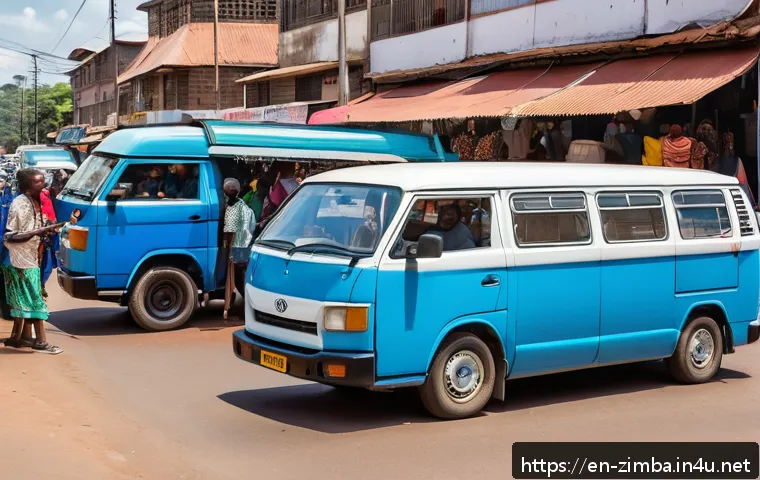
When you first arrive in Zimbabwe, you’ll quickly notice these small, usually white minibuses darting through the streets. Those are kombis, the backbone of urban public transport here.
They’re typically older Toyota Hiace models, packed with locals during peak hours, making them a lively way to dive into everyday Zimbabwean life. Spotting a kombi is easy—they usually have route numbers painted boldly on the windshield or side panels.
Since there’s no formal timetable, they leave when full, so patience and a keen eye are your best allies. Keep in mind that kombis can be a bit cramped, especially during rush hours, but their affordability and frequency make them irresistible for short city trips.
Boarding and Paying: Navigating the Kombi System
Jumping on a kombi is pretty straightforward once you know the routine. You’ll wave at the driver or conductor to signal your destination. Don’t be shy—locals often shout out their stops, so joining the chorus helps.
Payment is usually in cash, handed directly to the conductor or driver, so having small bills or coins ready is a lifesaver. Fares vary depending on distance but are generally very budget-friendly, often less than a dollar for inner-city rides.
If you’re carrying luggage, you might be asked to pay a bit extra or help place it on the roof rack. Just a heads up: always keep your belongings close, as kombis can get crowded and bustling.
Safety and Comfort Tips for Kombi Travelers
From personal experience, kombis can be a bit of an adventure—sometimes thrilling, sometimes nerve-wracking. To stay safe, avoid boarding after dark if you’re alone, and always keep your valuables zipped up or close to your body.
It’s also wise to sit near the front if possible; the closer you are to the driver, the more secure you’ll feel. If you’re not used to the local driving style, brace yourself for some sharp turns and sudden stops.
And while kombis are an authentic way to experience Zimbabwe, don’t hesitate to opt for a taxi or ride-hailing app if you want a more comfortable or controlled ride.
Mastering Long-Distance Travel by Bus
Choosing the Right Bus Company for Your Route
For longer journeys between cities or to tourist destinations like Victoria Falls or Bulawayo, buses are your best bet. Zimbabwe has several reputable companies, such as ZUPCO, Greyhound Zimbabwe, and Intercape, each offering different levels of comfort and price points.
I’ve taken these buses multiple times, and the key is to book tickets in advance, especially during holidays or weekends. Some companies offer online booking, but many still rely on physical ticket offices, so getting to the station early is a smart move.
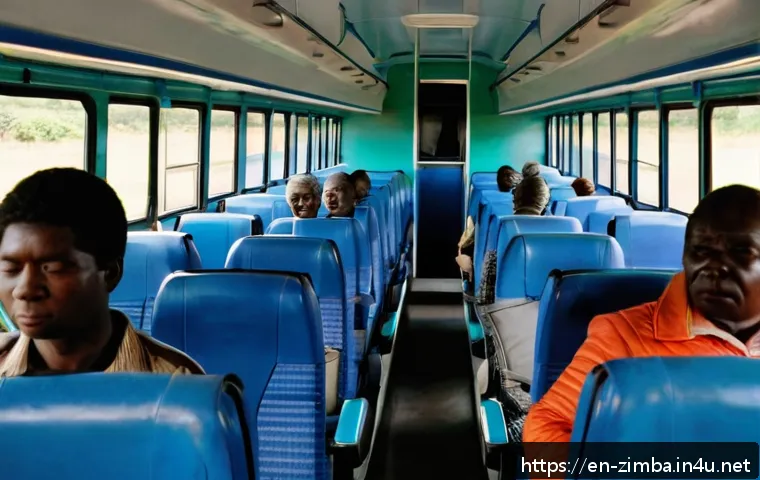
Look for buses with air conditioning and reclining seats if you want to travel in comfort, but be prepared for occasional delays due to road conditions or security checks.
Understanding Bus Schedules and Stops
Unlike Western countries with fixed schedules, Zimbabwean bus timetables can be somewhat flexible. Buses often wait until they reach a minimum number of passengers before departing, which can mean a short wait.
During the journey, buses make several stops at towns and roadside markets, giving you a chance to stretch your legs, grab snacks, or snap some photos of rural life.
However, keep an eye on your belongings during stops, as crowds gather quickly. It’s helpful to ask the conductor or driver about your stop so you’re ready when you arrive—getting off at the wrong place could add hours to your trip!
What to Expect Onboard: Amenities and Behavior
Most long-distance buses provide basic amenities like comfortable seating and sometimes onboard toilets, though the latter is rare and not always usable.
Expect a no-smoking policy and occasional announcements in Shona or Ndebele, so a little local language knowledge or a translation app can help. From my experience, the atmosphere onboard is friendly but respectful—people often chat quietly or listen to music through headphones.
Bringing your own bottled water and snacks is a good idea since stops can be brief and food options limited. Also, dress comfortably and bring a light jacket; air conditioning can be chilly at times.
Decoding Fare Systems and Ticket Buying Strategies
How Fares Are Calculated and What to Prepare
Fares across Zimbabwe’s public transport can vary widely depending on distance, vehicle type, and time of day. In cities, kombi fares are usually fixed for specific routes, but longer trips by bus often have tiered pricing based on distance.
From my travels, I noticed that fares can increase during peak travel seasons or for night trips. Always carry enough local currency (Zimbabwean dollars or USD are commonly accepted) in small denominations to avoid hassle.
Some operators accept mobile money payments, but this isn’t universal yet, so cash remains king. Remember, bargaining isn’t common for fixed fares but can sometimes happen for private hires or shared taxis.
Where and How to Buy Tickets Without Stress
For city travel, tickets aren’t generally sold in advance; you pay the conductor onboard. For intercity buses, it’s best to buy tickets at the bus station or official outlets.
Many companies don’t have robust online booking systems, so visiting the station a day ahead can save you from sold-out situations. I recommend asking locals or your accommodation staff about the best ticket points—they often know insider tips to avoid long queues or scams.
When purchasing, check that your ticket shows the correct date, route, and seat number (if applicable). Keep your ticket handy, as conductors may check it during the trip.
Common Scams and How to Avoid Them
While Zimbabwe’s transport is generally safe, travelers should watch out for common scams, especially at busy stations. One frequent trick is unofficial touts selling fake or overpriced tickets.
To avoid this, always buy from official counters or verified sellers. Another issue is overcharging tourists; politely confirm the fare with locals or your guesthouse beforehand.
If a driver or conductor insists on a higher fare than expected, don’t be afraid to walk away and find another vehicle. Trust your instincts and ask other passengers if unsure.
Carrying a small phrasebook or translation app helps clear up misunderstandings quickly.
Exploring Alternative Transport Options: Shared Taxis and Ride-Hailing
Shared Taxis: A Middle Ground Between Kombis and Private Cabs
Shared taxis are often sedans or SUVs that operate on popular routes, especially where kombis don’t go frequently. They offer a faster, slightly more comfortable alternative but come at a higher cost—usually double or triple a kombi fare.
I’ve found shared taxis useful when traveling with luggage or when time is tight. They don’t have fixed stops; instead, they pick up and drop off passengers along the way, which can be convenient but also means you might wait for others before departing.
Payment is cash upfront, and seats fill quickly during peak hours, so arriving early is advised.
Ride-Hailing Apps: Convenience Meets Modernity
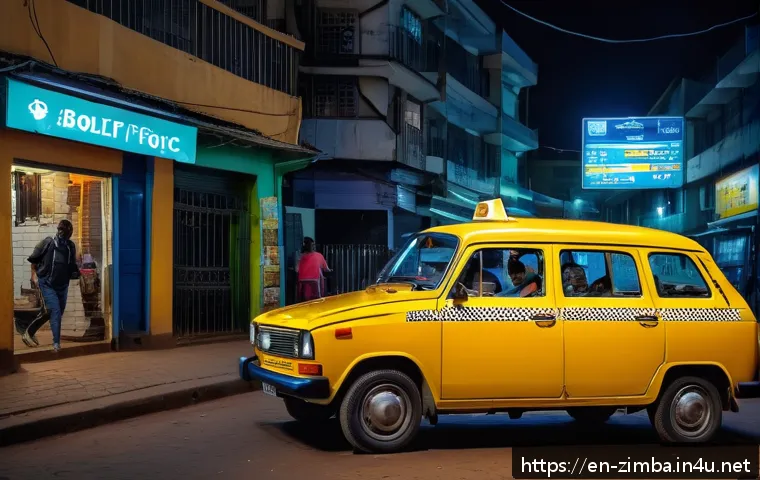
Zimbabwe’s tech scene has been growing, and ride-hailing apps like Vaya and Bolt are available in major cities like Harare and Bulawayo. These apps bring the convenience of booking a private ride via smartphone, with fixed prices and cashless payment options.
I’ve used these services multiple times, especially late at night or when visiting less accessible neighborhoods. The downside is higher fares compared to kombis or shared taxis, but the safety and comfort often justify the cost.
Drivers are usually vetted, and the app provides real-time tracking, which adds peace of mind for solo travelers or newcomers.
When to Choose Which Option
Choosing between kombis, shared taxis, and ride-hailing depends on your budget, time constraints, and comfort preferences. Kombis are unbeatable for cheap, authentic experiences but less reliable for schedule and space.
Shared taxis strike a balance, offering speed and some comfort at a mid-range price. Ride-hailing apps provide the best convenience and safety but at a premium.
Personally, I mix and match these options depending on where I am and what I’m carrying. For example, I use kombis within city centers but switch to ride-hailing when returning late from dinner or events.
Essential Safety Tips and Cultural Etiquette
Staying Safe on Zimbabwean Roads
Zimbabwe’s roads can vary from well-maintained highways to bumpy rural tracks, so safety is a top priority when using public transport. From my experience, always double-check that your vehicle has functioning seat belts and that the driver isn’t speeding excessively.
Night travel is generally safe on main routes but avoid isolated areas after dark. Keep your phone charged and share your travel plans with someone you trust.
Additionally, be cautious when accepting rides from strangers or unmarked vehicles—stick to official transport options.
Respecting Local Customs During Your Commute
Zimbabweans are friendly and polite, and showing respect goes a long way. Greeting drivers or conductors with a simple “Hello” or “Mhoroi” (Shona greeting) is appreciated.
When boarding, wait your turn and try to give priority seating to elderly or disabled passengers. Avoid loud conversations or disruptive behavior inside vehicles.
If you’re unsure about any local customs, observe how locals behave and follow their lead. I’ve found that engaging with fellow passengers respectfully often leads to memorable conversations and travel tips.
Handling Language Barriers and Communication
English is widely spoken in Zimbabwe, but many people also use Shona or Ndebele. Learning a few basic phrases like “How much?” or “Where is this going?” can make interactions smoother.
When asking for directions or confirming stops, a friendly smile and patience go a long way. If you encounter confusion, don’t hesitate to use gestures or smartphone translation apps—locals are generally very understanding of tourists navigating the system for the first time.
Comparing Transport Options at a Glance
| Transport Type | Typical Fare | Comfort Level | Frequency | Best For | Safety Notes |
|---|---|---|---|---|---|
| Kombi | $0.20 – $0.80 | Basic, crowded | High during day | Short city trips, budget travelers | Keep valuables close, avoid late night |
| Long-Distance Bus | $5 – $20+ | Moderate to good | Moderate, book ahead | Intercity travel, sightseeing | Check tickets, watch belongings |
| Shared Taxi | $1 – $3 per trip | Comfortable | Variable | Medium-distance, luggage | Confirm fare, avoid overcrowding |
| Ride-Hailing Apps | $3 – $10+ | High, private | On-demand | Safety-conscious travelers, night rides | Use official apps only |
In Conclusion
Traveling around Zimbabwe using local minibuses, long-distance buses, shared taxis, or ride-hailing apps offers a unique glimpse into the country’s vibrant culture and daily life. Each transport option has its own perks and challenges, so understanding how they operate can make your journey smoother and more enjoyable. With a bit of preparation and awareness, you’ll find getting around both affordable and adventurous. Embrace the experience, stay safe, and enjoy the warmth of Zimbabwean hospitality along the way.
Helpful Tips to Remember
1. Always carry small denominations of local currency or USD for convenient payment, especially when using kombis or shared taxis.
2. When boarding kombis, signal your stop clearly and keep your belongings close to avoid any mishaps in crowded vehicles.
3. For long-distance travel, book your bus tickets in advance whenever possible to secure a seat and avoid last-minute stress.
4. Use ride-hailing apps like Vaya or Bolt in major cities for safer and more comfortable rides, especially at night.
5. Learn a few basic Shona or Ndebele phrases or keep a translation app handy to make communication easier and more pleasant.
Key Takeaways for Travelers
Understanding Zimbabwe’s transport system is essential for a smooth travel experience. Kombis provide an affordable and authentic way to explore cities but can be crowded and unpredictable. Long-distance buses offer more comfort but require advance planning. Shared taxis balance speed and convenience at a higher price, while ride-hailing apps deliver safety and ease, ideal for solo travelers or night journeys. Always prioritize safety by choosing official transport services, staying vigilant with your belongings, and respecting local customs to make your travels both enjoyable and secure.
Frequently Asked Questions (FAQ) 📖
Q: What is the safest way to use public transport in Zimbabwe?
A: From my experience, the safest way to travel around Zimbabwe is to use registered kombis (minibuses) and long-distance buses that operate on fixed routes and schedules.
Always try to board these vehicles at official taxi ranks or bus terminals rather than random street stops. It’s also wise to avoid traveling late at night when fewer passengers are around and security can be more unpredictable.
Carrying only essential valuables and staying alert to your surroundings helps a lot, too. Locals often recommend asking your accommodation or trusted guides for the latest advice on reputable transport operators, which can make a big difference in feeling secure.
Q: How can I find affordable transport options without compromising safety?
A: Affordable travel in Zimbabwe is definitely possible without risking your safety. Kombis are generally the cheapest option, and while they can get crowded, choosing those that are clearly licensed and well-maintained is key.
I’ve found that paying a slightly higher fare for a reliable kombi or bus often saves you from headaches like breakdowns or scams. Booking long-distance buses in advance, especially with companies known for good service, is also a smart move.
Sometimes, sharing rides with other travelers or locals can reduce costs while offering a safer experience. Don’t hesitate to ask locals where they usually go and which services they trust—that insider knowledge is invaluable.
Q: What should I know about ticketing and routes when using Zimbabwean public transport?
A: Ticketing can be a bit informal depending on the service you use, so it’s important to clarify prices and destinations before hopping on. For kombis, fares are usually paid directly to the driver or conductor, and they can vary based on distance, so having small change handy is helpful.
Long-distance buses often require pre-booking tickets, which can be done online or at bus stations. Routes may not always be displayed clearly, so asking the driver or fellow passengers if the vehicle is heading to your destination is a good practice.
I’ve learned that being patient and flexible, along with a friendly attitude, goes a long way in navigating Zimbabwe’s transport system smoothly.