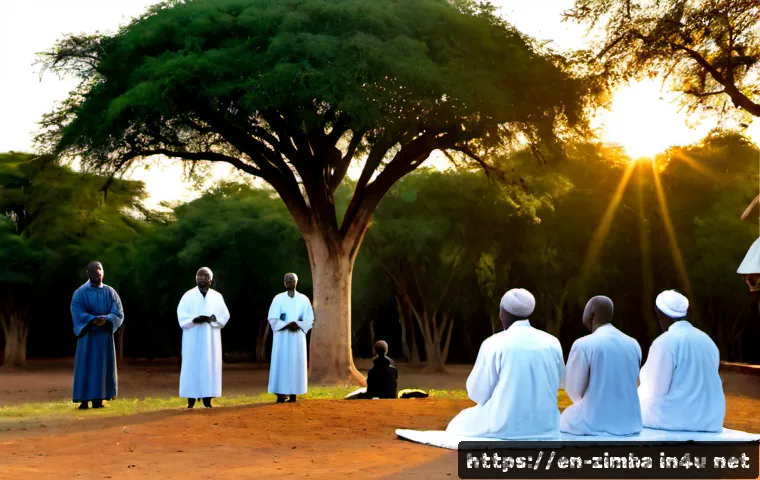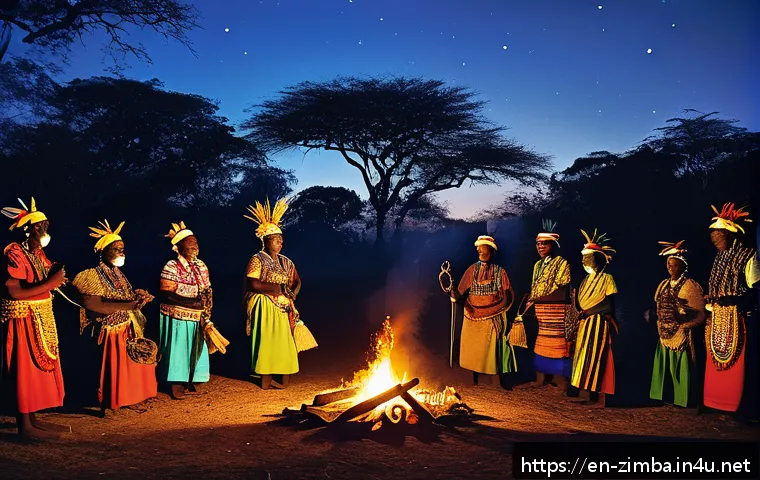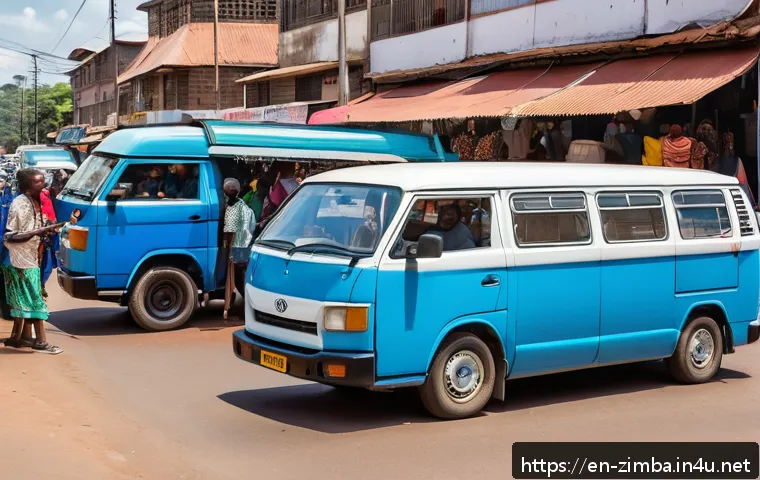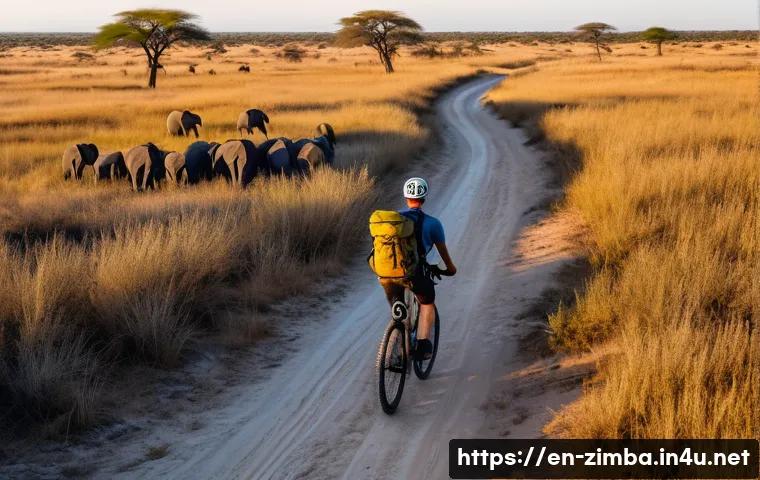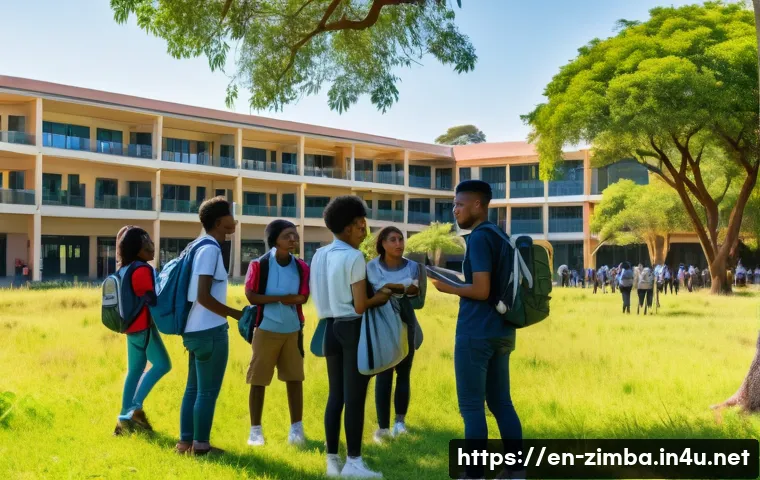
Choosing to study abroad in Zimbabwe offers a unique opportunity to immerse yourself in a rich cultural landscape while accessing quality education at competitive costs.
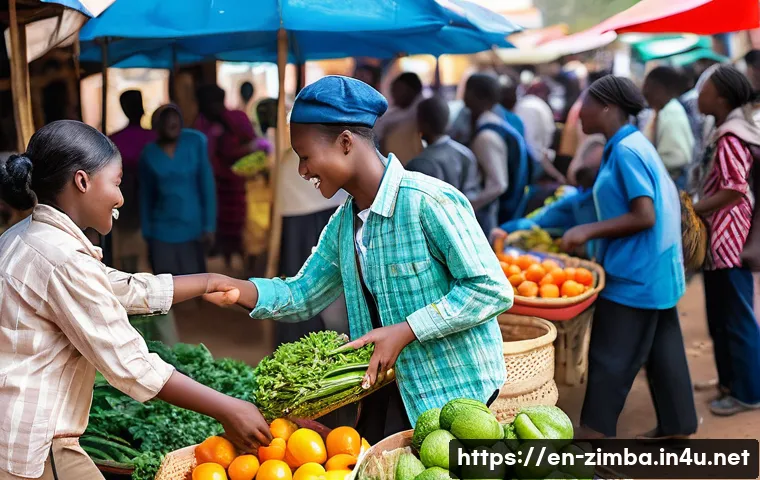
The country’s universities are gaining recognition for programs in fields like environmental science, agriculture, and business. Beyond academics, Zimbabwe’s vibrant communities and stunning natural beauty provide an inspiring backdrop for personal growth.
Many international students appreciate the warm hospitality and the chance to engage with diverse perspectives. If you’re considering an adventure that combines learning with real-world experiences, Zimbabwe might just be the perfect destination.
Let’s dive deeper and explore what studying in Zimbabwe truly entails!
Academic Excellence in Emerging Fields
Innovative Programs Tailored to Global Needs
Zimbabwe’s universities have been steadily building strong reputations in disciplines that align with both regional and international demands. Fields like environmental science, agriculture, and business management are receiving significant attention.
From my conversations with students who’ve enrolled there, the curriculum isn’t just theoretical; it’s deeply intertwined with practical, real-world applications.
For example, environmental science courses often involve hands-on projects related to wildlife conservation and sustainable resource management, which are crucial given Zimbabwe’s rich biodiversity.
This approach not only prepares students for local challenges but also equips them to compete globally.
Research Opportunities and Industry Connections
One of the things that stood out when exploring Zimbabwe’s academic landscape is the growing emphasis on research. Universities frequently collaborate with government bodies and NGOs to tackle pressing issues such as climate change impact, food security, and economic development.
Students often get the chance to participate in these projects, gaining invaluable experience. I’ve heard from several international students that these opportunities allowed them to build networks beyond the classroom, often leading to internships or job offers.
This practical exposure is a game-changer for anyone looking to boost their career prospects.
Language and Teaching Environment
English is the primary medium of instruction in Zimbabwean higher education, which eases the transition for many international students. The teaching style tends to be interactive, encouraging debates and critical thinking rather than rote memorization.
Having spoken with lecturers and students alike, the consensus is that professors are approachable and genuinely invested in student success. This welcoming academic atmosphere fosters a dynamic learning environment where questions and discussions thrive, making the educational experience more engaging and effective.
Living Costs and Student Budgets
Affordable Tuition Compared to Global Standards
One of the biggest draws for studying in Zimbabwe is the cost-effectiveness. Tuition fees are significantly lower than in Western countries, yet the quality of education remains competitive.
From what I’ve gathered, many programs offer scholarships and financial aid options targeted at international students, which can further reduce expenses.
This affordability allows students to focus more on their studies and less on financial stress, which is a huge plus.
Cost of Living: Daily Expenses and Accommodation
Living costs in Zimbabwe are generally budget-friendly. Rent prices for student accommodations are quite reasonable, especially if you opt for shared housing or university dormitories.
Food and transportation costs are also manageable, with local markets offering fresh produce at low prices. Based on feedback from students currently living there, budgeting around $300 to $500 per month for living expenses is realistic, though it varies depending on lifestyle choices.
This affordability enables students to enjoy their time without constantly worrying about money.
Financial Planning Tips for International Students
Planning your finances before moving to Zimbabwe is crucial. Many students recommend opening a local bank account to avoid high transaction fees and to simplify daily expenses.
It’s also wise to keep an emergency fund handy due to occasional fluctuations in currency value. Additionally, exploring part-time job opportunities or internships can help supplement your budget.
Just remember, balancing work and study is key, so it’s best to prioritize academics while using work as a supportive resource.
Immersive Cultural Experiences
Engaging with Local Communities
Zimbabwe’s cultural landscape is incredibly diverse and vibrant. International students often share how interacting with local communities has enriched their personal growth far beyond academics.
Whether it’s attending traditional ceremonies, participating in community projects, or simply sharing meals, these experiences offer deep insight into Zimbabwean values and traditions.
I’ve heard countless stories about how these interactions foster lifelong friendships and broaden perspectives, making the study abroad journey truly transformative.
Festivals and Arts Scene
The country’s calendar is dotted with lively festivals celebrating music, dance, and art, which students find both entertaining and educational. Events like the Harare International Festival of the Arts attract global talent and provide a platform for students to experience world-class performances.
Personally, I’ve always found that immersing oneself in local arts is a fantastic way to understand a culture on a more emotional level, and Zimbabwe certainly offers that in spades.
Language and Social Integration
While English is widely spoken, learning some basic phrases in Shona or Ndebele can go a long way in building rapport with locals. Many students mention that even simple greetings or expressions in native languages are warmly received and open doors to deeper connections.
Social clubs and student organizations also play a vital role in helping newcomers settle in and find a sense of community, making integration smoother and more enjoyable.
Exploring Natural Wonders and Adventure
Proximity to Iconic Landmarks
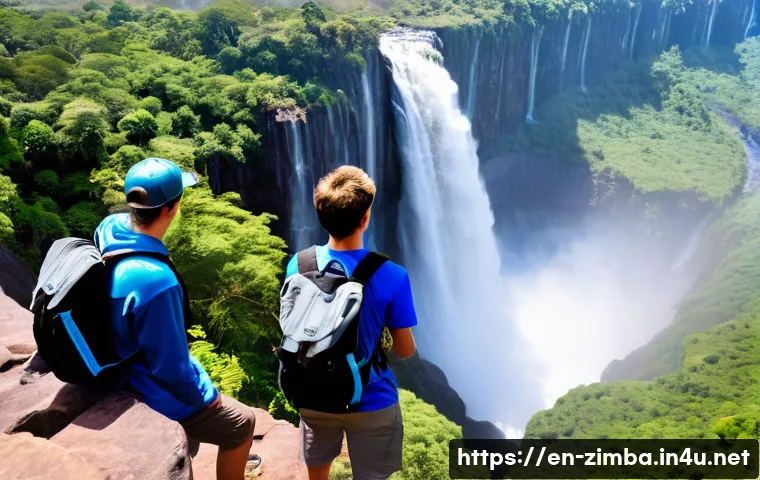
Studying in Zimbabwe means living near some of Africa’s most breathtaking natural attractions. Victoria Falls, one of the Seven Natural Wonders of the World, is a popular weekend getaway for students.
The opportunity to witness such a spectacle firsthand adds a unique dimension to the study abroad experience. I’ve spoken to students who say visiting these sites during breaks not only refreshed them but also inspired their academic pursuits, especially those studying environmental science or tourism.
Outdoor Activities and Eco-Tourism
Beyond sightseeing, Zimbabwe offers numerous adventure activities like hiking, wildlife safaris, and canoeing, often at affordable prices for students.
Engaging in eco-tourism initiatives is another way to get involved with conservation efforts while having fun. Many students describe these adventures as unforgettable highlights of their time abroad, blending excitement with education in a way that classrooms alone cannot provide.
Balancing Study and Exploration
Managing time between academics and exploring nature can be a challenge, but many find it rewarding. Universities often organize trips and excursions that are both educational and recreational.
From my experience talking with students, this balance helps maintain mental health and enhances overall satisfaction with their study abroad journey, making them more motivated and focused when back on campus.
Student Support and Campus Life
Resources for International Students
Zimbabwean universities are increasingly aware of the needs of international students, offering tailored support services such as orientation programs, counseling, and academic advising.
I’ve heard firsthand from students that these resources are invaluable in helping them navigate the new environment. Additionally, dedicated offices often assist with visa processes and accommodation arrangements, easing common stressors of moving abroad.
Campus Facilities and Social Spaces
The campuses are equipped with modern libraries, computer labs, and recreational areas that foster a vibrant student life. Many students appreciate the balance between study spaces and social hubs where they can relax and connect with peers.
Based on student reviews, these facilities contribute significantly to a positive academic experience, making campus life both productive and enjoyable.
Clubs, Sports, and Networking Opportunities
Joining student clubs or sports teams is a popular way to make friends and build networks. Whether you’re interested in debate, entrepreneurship, or football, there’s usually a group to match your interests.
From talking to recent international graduates, involvement in these activities often leads to lasting friendships and even professional connections, which can be helpful long after graduation.
Essential Practicalities for Newcomers
Visa and Immigration Procedures
Navigating visa requirements is often the first hurdle for students considering Zimbabwe. The process is straightforward but requires careful preparation.
Many students advise starting early and ensuring all documentation, such as acceptance letters and financial proof, is complete. Universities typically provide guidance, but being proactive can prevent last-minute headaches and delays.
Healthcare and Safety Considerations
Access to healthcare is generally good in urban areas, with university clinics offering basic services. International students often recommend securing comprehensive health insurance before arrival.
Safety-wise, like any country, staying informed about local conditions and following university advice goes a long way. I’ve heard from students that engaging with local peers and staff helps them stay aware and safe while enjoying their time abroad.
Transportation and Connectivity
Getting around Zimbabwe can be an adventure in itself. Public transport is affordable, though sometimes unpredictable, so many students prefer using ride-hailing apps or university shuttles.
Mobile internet coverage is decent in cities, which is crucial for staying connected with family and managing studies. From personal accounts, having a local SIM card is a small investment that greatly improves daily convenience.
| Aspect | Typical Cost (USD) | Details |
|---|---|---|
| Tuition Fees | 1,500 – 3,000 per year | Varies by program; scholarships available |
| Accommodation | 100 – 250 per month | Shared housing or dormitories |
| Food | 100 – 150 per month | Local markets and student cafeterias |
| Transportation | 30 – 50 per month | Public transport and ride-hailing |
| Health Insurance | 200 – 400 per year | Recommended for all international students |
Conclusion
Studying in Zimbabwe offers a unique blend of quality education, affordable living, and rich cultural experiences. The practical approach to learning, combined with strong support systems, makes it an attractive destination for international students. Beyond academics, the chance to explore stunning natural wonders and engage with vibrant communities truly enhances the overall journey. For anyone seeking a meaningful and well-rounded study abroad experience, Zimbabwe stands out as a compelling choice.
Useful Information to Keep in Mind
1. Tuition fees in Zimbabwe are much lower than in many Western countries, with scholarships available to ease financial burdens.
2. The cost of living is budget-friendly, especially when opting for shared accommodations and local food markets.
3. English is the main language of instruction, but learning basic local phrases helps with social integration.
4. Zimbabwe’s universities emphasize hands-on learning and provide ample research and internship opportunities.
5. Taking advantage of campus resources and student organizations can greatly enhance your academic and social life.
Key Takeaways
Choosing Zimbabwe for higher education means embracing affordable yet quality academic programs closely tied to real-world challenges. Students benefit from a supportive environment, practical research chances, and a welcoming cultural atmosphere. Financial planning, including managing living costs and understanding visa procedures, is essential for a smooth transition. Lastly, balancing studies with exploration of Zimbabwe’s natural and cultural treasures leads to a fulfilling and enriching experience abroad.
Frequently Asked Questions (FAQ) 📖
Q: What are the living costs like for international students studying in Zimbabwe?
A: From my experience and what many students share, living costs in Zimbabwe are quite affordable compared to many Western countries. Accommodation, food, and transportation tend to be budget-friendly, especially if you choose to live off-campus or in shared housing.
Of course, costs can vary depending on the city and lifestyle you pick, but overall, Zimbabwe offers a cost-effective way to study abroad without compromising on quality of life.
Q: How safe is Zimbabwe for international students?
A: Safety is often a top concern, and honestly, like any country, it depends on where and how you live. Zimbabwe’s universities and student communities are generally safe, and many international students feel comfortable once they settle in.
I’d recommend staying informed about local news, avoiding risky areas at night, and connecting with campus security or fellow students. The warmth and friendliness of locals often make it easier to navigate daily life securely.
Q: Are there opportunities for internships or practical experiences while studying in Zimbabwe?
A: Absolutely! One of the standout aspects of studying in Zimbabwe is the chance to gain hands-on experience, especially in fields like environmental science, agriculture, and business.
Many universities collaborate with local industries and NGOs, providing internships or project work that lets you apply your learning in real-world settings.
This practical exposure not only enriches your education but also helps build a valuable network for future career prospects.