
Navigating the world of international money transfers from Zimbabwe can feel overwhelming, especially with fluctuating exchange rates and evolving regulations in 2024.
Whether you’re supporting family overseas or managing business expenses, finding a secure and affordable way to send money is crucial. In this post, we’ll explore practical solutions that prioritize safety without breaking the bank.
Stick around as we unpack the latest trends and tools designed to make your transfers smoother and more cost-effective than ever before. If you’ve struggled with hidden fees or delays, this guide is tailored just for you.
Let’s dive in and simplify your cross-border payments journey.
Choosing the Right Transfer Method for Your Needs
Bank Transfers vs. Online Services
When sending money internationally from Zimbabwe, one of the first decisions you’ll face is whether to use traditional bank transfers or online money transfer services.
Banks often provide a sense of security and reliability, especially if you already have an account with them. However, they may come with higher fees and less favorable exchange rates.
On the other hand, online services like WorldRemit, TransferWise (now Wise), or Remitly offer more competitive rates and faster processing times, often accessible via smartphone apps.
From my experience, online platforms tend to be more user-friendly and transparent about fees, which can save you from unexpected costs.
Mobile Money and Digital Wallets
Mobile money platforms such as EcoCash have revolutionized how Zimbabweans handle cross-border payments. These services let you send money directly to a recipient’s mobile wallet, which is incredibly convenient given the widespread mobile phone usage in the region.
Using mobile money can cut down on delays and the need to visit physical branches, but it’s crucial to verify whether the recipient’s country supports these wallets.
Personally, I found mobile money transfers to be a lifesaver for quick, small-amount remittances, especially when compared to cumbersome bank procedures.
Cash Pickup and Delivery Options
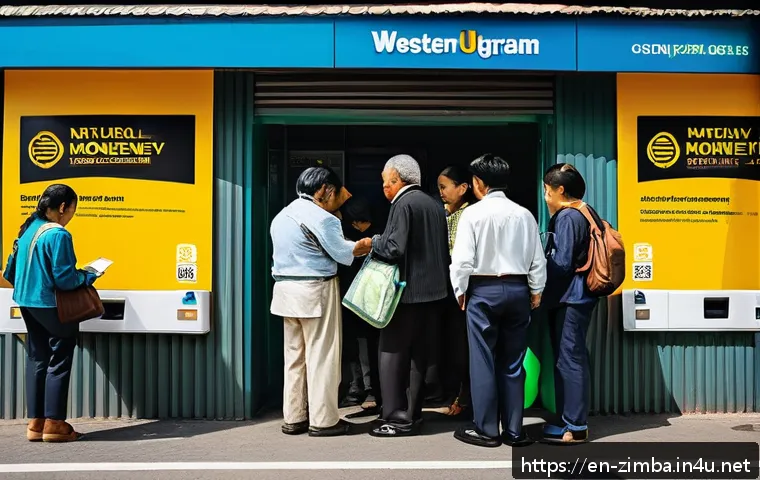
If your recipient prefers or needs cash on hand immediately, cash pickup services like Western Union or MoneyGram remain reliable choices. These services have extensive agent networks worldwide, making it easy for recipients to collect funds quickly.
While they are convenient, fees can be higher, and exchange rates less favorable than digital transfers. It’s worth weighing convenience against cost, especially if you frequently send money abroad.
I usually recommend these services only when speed is a top priority or when the recipient doesn’t have access to digital banking.
Understanding Exchange Rates and Hidden Charges
How Exchange Rates Impact Your Transfer
Exchange rates are often the biggest factor affecting how much money your recipient actually receives. Rates fluctuate constantly due to market conditions, and some providers add a margin on top of the base rate as part of their profit.
This margin can sometimes be more costly than explicit fees. When I started using online transfer services, I realized that comparing advertised fees alone wasn’t enough—I had to check the real exchange rate applied.
Using tools like XE or OANDA for rate comparison before sending can help you avoid losing money unnecessarily.
Spotting Hidden Fees Before Sending
Many people get caught off guard by hidden fees buried in the fine print. These can include service fees, receiving bank charges, or intermediary bank fees if the transfer routes through multiple banks.
In my experience, providers that clearly itemize all charges upfront make life much easier. Always ask for a full breakdown before confirming your transfer, and don’t hesitate to switch providers if the fee structure feels opaque.
Timing Your Transfers to Maximize Value
Timing can play a significant role in how favorable your exchange rate is. If you’re not in a rush, monitoring the market for a few days or weeks can help you pick a better moment to send.
Some advanced transfer services offer rate alerts or the option to lock in a rate for a short period, which I’ve found very useful during volatile periods.
It’s a little extra effort that can save you a surprising amount of money over time.
Security Measures for Safe Cross-Border Transfers
Verifying Provider Legitimacy
Security should always be a top priority when sending money abroad. I learned early on that sticking to well-known and regulated providers reduces the risk of fraud.
Look for licenses from financial authorities, user reviews, and transparent business practices. If a deal sounds too good to be true, it probably is. Using official websites or apps, not third-party links, also helps avoid scams.
Encryption and Data Protection
Most reputable transfer services use encryption protocols to protect your personal and financial information. Before entering sensitive data, check for HTTPS in the website URL and look for privacy policies explaining how your data is handled.
I always make sure to use services that comply with international data protection standards, which gives me peace of mind especially when transferring larger sums.
Tips to Avoid Common Scams
Scammers often target people sending money internationally by impersonating relatives or creating fake emergencies. To avoid falling victim, confirm the recipient’s identity through direct communication and never send funds based on unsolicited requests.
I also recommend using two-factor authentication whenever possible to secure your accounts, and regularly monitoring your transfer history for suspicious activity.
Comparing Popular Transfer Providers
Evaluating Cost, Speed, and Accessibility
Choosing a provider involves balancing cost, speed, and accessibility for both sender and receiver. For example, some services offer next-day delivery but at a premium, while others take longer but save on fees.
Accessibility is another factor—if your recipient’s location has limited banking infrastructure, a mobile wallet or cash pickup might be necessary. I personally keep a shortlist of trusted providers and select the best fit based on the transfer’s urgency and amount.
Customer Service and Support
Good customer support can make a huge difference, especially when issues arise. Providers with 24/7 multilingual support and multiple contact options (phone, chat, email) tend to resolve problems faster.
From my experience, having access to a responsive team saved me from losing money during a delayed transfer once. Don’t underestimate the value of solid customer service when picking a transfer option.
Features and Additional Benefits
Some providers offer extra perks like multi-currency accounts, the ability to schedule recurring transfers, or referral bonuses. While these might seem minor, they add convenience and value over time.
I’ve found that services with flexible features tend to fit better into busy lifestyles, making money management less stressful.
| Provider | Typical Fees | Transfer Speed | Exchange Rate Margins | Payment Methods | Recipient Options |
|---|---|---|---|---|---|
| WorldRemit | Low to Medium | Within minutes to hours | Competitive | Debit/Credit Card, Bank Transfer | Mobile Wallet, Bank Deposit, Cash Pickup |
| Western Union | Medium to High | Minutes | Less Competitive | Cash, Bank Transfer, Card | Cash Pickup, Bank Deposit |
| Wise (TransferWise) | Low | Same day to 1-2 days | Very Competitive (Mid-market rate) | Bank Transfer, Debit/Credit Card | Bank Deposit |
| EcoCash | Low | Instant | Varies | Mobile Wallet | Mobile Wallet |
Managing Regulatory and Compliance Challenges
Keeping Up with Zimbabwe’s Currency Controls
Zimbabwe’s monetary policies and currency controls can complicate international money transfers. Limits on amounts and documentation requirements can vary, especially with recent regulatory updates.
When I dealt with these restrictions, staying informed via official channels and consulting with financial advisors helped me avoid legal pitfalls. Always prepare necessary documents like ID and proof of funds to smooth the process.
Understanding Recipient Country Regulations
The rules on receiving international funds differ widely depending on the destination country. Some countries impose taxes, require declaration forms, or restrict amounts.
I’ve learned that coordinating with the recipient to understand local rules upfront prevents delays or confiscations. It’s also wise to choose transfer routes that comply fully with both countries’ laws to avoid complications.
Documentation and Compliance Tips
Most providers require basic KYC (Know Your Customer) documents for compliance, which may include passports, utility bills, or tax identification numbers.

I recommend having these ready before initiating transfers, especially for larger amounts. Keeping copies and tracking your transfer receipts can be helpful if questions arise later.
Staying organized with documentation saved me a lot of hassle during audits or inquiries.
Optimizing Your Transfer Experience
Using Rate Alerts and Transfer Scheduling
Many platforms now offer tools like rate alerts or the ability to schedule transfers in advance. I found that setting up alerts for favorable exchange rates lets me send money at the best possible times without constantly checking.
Scheduling recurring payments for regular support to family members can also automate the process, reducing stress and the chance of forgetting.
Multi-Currency Accounts and Their Benefits
Opening a multi-currency account with providers like Wise or Revolut can simplify managing money across borders. These accounts let you hold and convert multiple currencies at competitive rates, which is great if you frequently send or receive funds.
From my use, it’s especially helpful for business owners who need to pay suppliers or employees in different countries without incurring excessive fees.
Leveraging Referral Programs and Promotions
Some transfer services offer referral bonuses or periodic promotions that can reduce your costs. I always check for these before making a transfer, as even a small discount adds up over time.
Sharing referral codes with friends or family who also send money internationally can create a win-win situation, boosting your savings on fees.
Common Pitfalls and How to Avoid Them
Delays Due to Incorrect Information
One of the most common issues I’ve seen is delays caused by incorrect recipient details—wrong account numbers, misspelled names, or incomplete addresses.
Double-checking everything before hitting send can save days of frustration. Some platforms validate recipient info in real time, which I highly recommend using.
Overlooking Transfer Limits and Caps
Each provider and country has transfer limits that, if exceeded, can cause your transfer to be rejected or delayed. I once had a transfer returned because I didn’t realize the daily cap was lower than my intended amount.
Familiarizing yourself with these limits ahead of time and splitting transfers if necessary avoids unnecessary headaches.
Ignoring Customer Support When Problems Arise
Trying to fix issues alone or ignoring delays can make things worse. Reach out to customer support promptly if something feels off. I learned that a quick call or chat can clarify status updates and speed up resolution.
Keep all your transaction details handy to make the process smoother for support agents.
Maximizing Cost Efficiency for Regular Transfers
Consolidating Transfers to Reduce Fees
If you’re sending money frequently, consider consolidating smaller transfers into fewer, larger ones. This approach often reduces the cumulative fees paid.
I’ve found that planning transfers monthly rather than weekly can cut costs significantly, especially when using providers with fixed fees per transaction.
Choosing Low-Cost Providers for Recurring Payments
For regular payments like tuition or rent, low-cost providers with subscription or volume discounts can be a game-changer. Some platforms offer discounted rates for business accounts or frequent users, which I took advantage of once my transfer volume increased.
Tracking and Analyzing Your Transfer History
Keeping a record of your transfers, including fees paid and exchange rates received, helps identify patterns and opportunities to save. I use simple spreadsheets or budgeting apps to monitor this data, which guides me in choosing the best provider or timing for future transfers.
Building Confidence in Your International Payment Routine
Learning from Each Transfer Experience
Every transfer teaches something new—whether it’s about timing, costs, or recipient preferences. By reflecting on past transfers, you can refine your approach and avoid repeating mistakes.
I keep notes on what worked well and what didn’t, which has made my process smoother and less stressful over time.
Engaging with Community and Support Forums
Online forums and social media groups focused on Zimbabwean expatriates or international money transfers are valuable resources. Hearing real stories and tips from others can provide insights that official guides miss.
I often turn to these communities when trying out a new service or troubleshooting issues.
Staying Adaptable Amid Changing Regulations
The financial landscape is always evolving, especially with currency controls and technology updates. Being flexible and ready to switch providers or methods as needed keeps your transfers efficient and compliant.
I’ve learned that staying informed and proactive is key to avoiding disruptions and maintaining peace of mind.
In Conclusion
Choosing the right money transfer method depends on your priorities such as cost, speed, and convenience. By understanding exchange rates, fees, and security measures, you can make informed decisions that save money and reduce stress. Staying updated on regulations and using trusted providers ensures your transfers go smoothly every time. With a bit of planning and experience, sending money internationally becomes a straightforward process.
Helpful Information to Keep in Mind
1. Always compare both fees and exchange rates before selecting a transfer service to get the best overall value.
2. Use mobile money and digital wallets when possible for faster and more convenient transfers, especially in regions with widespread smartphone usage.
3. Verify the legitimacy of transfer providers by checking licenses, reviews, and security features to avoid scams.
4. Keep all required documents ready and understand both sending and receiving country regulations to prevent delays.
5. Take advantage of tools like rate alerts, scheduled transfers, and referral programs to optimize your transfer costs and timing.
Key Takeaways for Successful Transfers
Understanding the balance between cost, speed, and accessibility is essential for selecting the best transfer method. Transparent fee structures and reliable customer support can save you from unexpected issues. Always double-check recipient details and comply with all regulatory requirements to avoid delays or rejected transfers. Finally, learning from each transfer experience and staying flexible with changing financial landscapes will help you build confidence and efficiency in your international money transfers.
Frequently Asked Questions (FAQ) 📖
Q: What is the safest way to send money internationally from Zimbabwe in 2024?
A: From my experience, using well-established digital money transfer services like WorldRemit or TransferWise (now Wise) tends to be the safest. These platforms have strong security protocols and transparent fee structures, which help avoid unexpected costs.
Also, they comply with international financial regulations, reducing the risk of your transfer being delayed or blocked. I’ve personally found that registering and verifying your identity upfront speeds up the process and builds trust with these providers.
Q: How can I avoid high fees and poor exchange rates when sending money abroad?
A: Hidden fees and bad exchange rates can really eat into the amount your recipient receives. What helped me was comparing several services before making a transfer—apps like Remitly and Wise often offer better rates than traditional banks.
Also, timing your transfer when exchange rates are favorable can save you a decent chunk of money. Some platforms even let you lock in a rate in advance, which is super handy when rates are volatile.
Always check the total cost, not just the upfront fees, to get the full picture.
Q: Why do international money transfers from Zimbabwe sometimes take longer than expected?
A: Delays often come down to regulatory checks and banking hours in both Zimbabwe and the recipient’s country. For example, anti-money laundering regulations require extra verification steps that can slow things down.
From what I’ve seen, transfers using local banks tend to be slower compared to specialized online services, which streamline the process. Also, weekends and public holidays can add extra waiting time.
Planning ahead and choosing faster transfer options, like instant transfers where available, can help avoid frustration.