Zimbabwe has strong tourism potential because it combines Victoria Falls, major wildlife areas, and opportunities for accommodation, transport, guiding, and local experiences.
The best demand outlook is likely in established leisure and safari destinations, while business success depends on access, service reliability, seasonal planning, and responsible conservation.
For travelers, the key question is not simply whether Zimbabwe offers value, but whether a chosen itinerary includes dependable transfers, clear booking terms, and the right level of guiding.
For investors and operators, the commercial case is stronger when a service solves a practical gap rather than relying only on broad visitor-growth expectations.
Current prices, entry requirements, and operating conditions should always be confirmed directly before booking or committing capital.
At a Glance
- Strongest destination assets: Victoria Falls, Hwange National Park, and Mana Pools National Park provide recognizable reasons to visit.
- Main commercial opportunity: Tourism can support lodging, transfers, food services, guides, crafts, and destination-management services.
- Key decision factors: Check transport access, seasonal conditions, border procedures, payment planning, and conservation standards before booking or investing.
| Tourism Segment | Demand Profile | Seasonality Consideration | Typical Service Needs | Main Cost Drivers |
|---|---|---|---|---|
| Victoria Falls | International leisure visitors and short-stay travelers | Conditions can affect trip timing and itinerary design | Transfers, hotels, guided activities, border information | Accommodation, transport, tours, travel insurance |
| Wildlife Safaris | Safari-focused and premium-experience travelers | Wildlife viewing and weather conditions can influence demand | Lodges, guides, park access, vehicle logistics | Safari lodge pricing, guiding, transport, park-related costs |
| Cultural and Community Routes | Travelers seeking local context and heritage experiences | Demand may depend on itinerary design and local event timing | Guides, local hosts, crafts, food services | Transport coordination, guiding, smaller-scale operations |
| Business and Regional Travel | Visitors needing practical city-based services | Less tied to leisure travel patterns, but still access-dependent | Accommodation, transfers, meeting support, reliable payments | Service consistency, transport, booking systems |
Is Zimbabwe Positioned for Sustainable Tourism Growth?
The short answer: strong destination assets, with execution and access determining growth
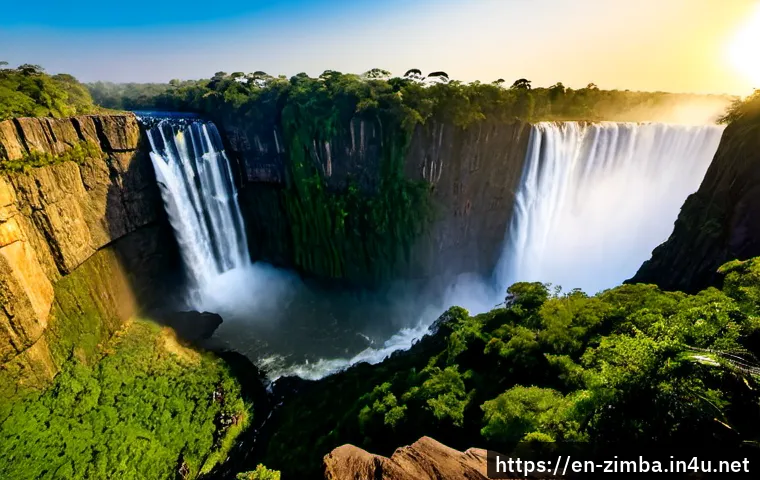
Zimbabwe has tourism assets with clear international appeal. Victoria Falls, shared by Zimbabwe and Zambia, is a major draw and a UNESCO World Heritage site. Wildlife destinations also matter: Hwange National Park is nationally significant, while Mana Pools National Park forms part of a UNESCO World Heritage property.
Those assets alone do not determine growth. Visitor decisions are shaped by how easily they can arrive, move between locations, understand border procedures, pay for services, and obtain reliable travel information. For tourism businesses, a compelling location needs equally practical delivery.
Why demand is not evenly distributed across regions and travel segments
Demand is likely to concentrate where the travel proposition is easiest to understand and organize. Victoria Falls can suit short leisure stays, while safari areas can attract travelers who want guided wildlife experiences and longer lodge-based itineraries. Other areas may offer meaningful cultural or community-based travel opportunities, but they may require more transport coordination, market education, or infrastructure support.
Location is not the same as readiness. A scenic or culturally interesting place can still be difficult to sell if transfers, accommodation standards, guiding capacity, or booking processes are unclear.
What sustainable growth means for visitors, communities, and operators
Sustainable tourism is not only about increasing visitor numbers. It also means managing waste, water use, wildlife interactions, and pressure on sensitive landscapes. Operators should consider whether local communities can participate through employment, guiding, food supply, crafts, or other tourism-linked services.
For travelers, responsible choices include selecting operators that explain their conservation practices and local service relationships. For investors, environmental management should be treated as an operating requirement, not as an optional marketing feature.
Tourism Segments With the Strongest Commercial Potential
Victoria Falls: international leisure travel and short-stay demand
Victoria Falls is the most obvious entry point for many international visitors. Its UNESCO status and cross-border setting give it broad recognition, creating demand for hotels, guest services, airport or road transfers, guided experiences, and packaged itineraries.
The opportunity is not limited to large accommodation providers. Smaller businesses may find a role in reliable transfers, itinerary support, food services, local guiding, or destination-management services. The important question is whether the service solves a real visitor problem: time, navigation, booking confidence, or transport coordination.
Wildlife safaris: higher-value stays, guiding, and conservation-linked experiences
Safari travel can support longer stays and more specialized services. Hwange National Park and Mana Pools National Park give Zimbabwe a strong wildlife tourism base, but safari operations also have demanding logistics. Lodges, guides, vehicles, park arrangements, staff planning, and seasonal conditions all influence the guest experience.
Premium safari lodge pricing may be easier to justify when the offer includes dependable guiding, clear transport arrangements, a coherent itinerary, and responsible wildlife practices. Travelers should not assume that a higher headline price automatically means better value; inclusions and exclusions matter.
Cultural, heritage, and community-based travel opportunities
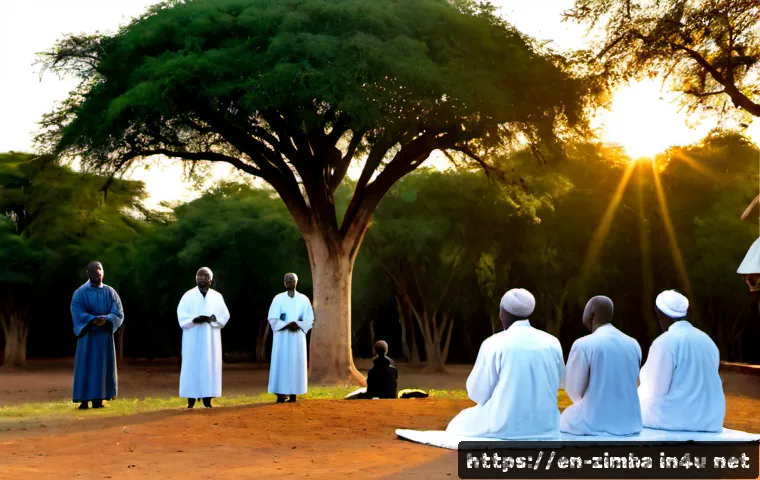
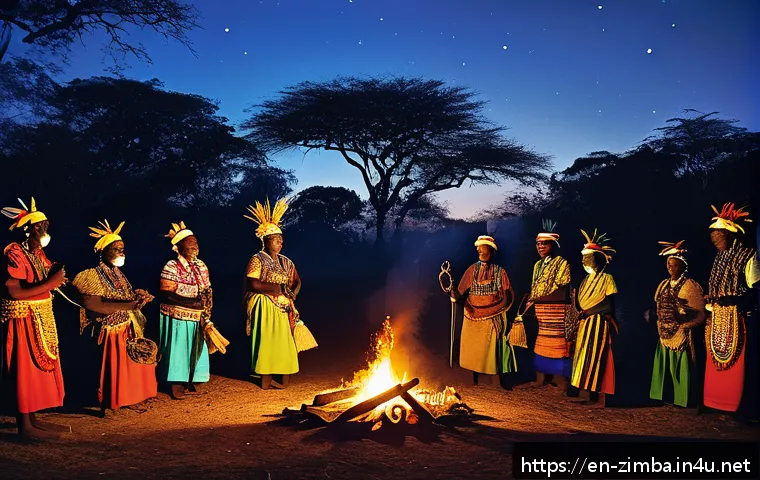
Cultural and community-based experiences can broaden tourism beyond landmark visits and safari stays. These services can create links between visitor spending and local food, crafts, storytelling, and guiding. Their value often depends on authenticity, respectful design, and reliable coordination rather than high volume.
Operators should avoid treating communities as a visual add-on to a tour. A viable product needs clear roles, fair expectations, visitor safety information, and a plan for managing group size and environmental impact.
Meetings, business travel, and regional package-tour potential
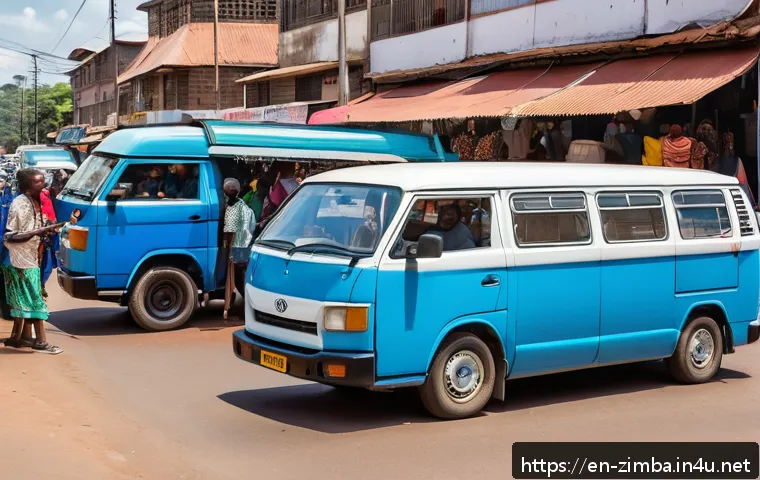
Business and regional travel can create demand for city accommodation, transfer services, meeting support, and hospitality software that improves reservations or guest communication. Package tours can also connect landmark destinations with wildlife stays, provided the transfer schedule is realistic.
These segments depend heavily on service consistency. Travelers and organizers need accurate confirmation, dependable communication, and clear payment or cancellation terms.
Compare Demand, Costs, and Infrastructure Before Committing
Comparison table: destination type, visitor profile, seasonality, and spending potential
Before selecting a trip or business concept, compare the destination against the service burden it creates. A well-known attraction may bring stronger demand, but it can also require more competitive accommodation, better transport coordination, and faster customer support. A remote safari itinerary may command greater interest from specialist travelers, but logistics can be more complex.
Key cost drivers: transport, accommodation, park access, guides, and insurance
For travelers, the main budget categories usually include accommodation, transport, guided activities, park-related access, meals, and travel insurance. Current hotel, lodge, tour, and transport prices can change by provider and season, so they should be requested directly rather than assumed from general travel content.
For operators, the same categories become planning costs: vehicles or transfer arrangements, staffing, booking systems, maintenance, permits, insurance needs, and guest support. Currency and payment planning also deserve attention where payments involve international visitors or multiple providers.
When premium packages may offer better value than independent planning
An independent itinerary can work well for travelers who are comfortable coordinating transport, accommodation, timing, and local conditions. A guided package may offer better value when it reduces uncertainty around transfers, park visits, guiding, meals, or changes to an itinerary.
The comparison should focus on what is included. Ask whether accommodation, transfers, guiding, park-related charges, meals, cancellation support, and emergency contact arrangements are covered. Do not compare a package price with a room-only rate as if they provide the same service.
What tourism businesses should include in an initial operating budget
An initial budget should separate fixed needs from demand-dependent costs. Consider transport arrangements, staffing, communications, booking tools, service training, maintenance, insurance, permits, and conservation obligations. Licensing requirements, tax treatment, and foreign-currency arrangements require current professional and official verification for the specific business model.

A practical starting point is a narrow service offer with a clear customer: airport transfers for booked lodge guests, guided day experiences, accommodation support, or technology that helps operators manage reservations and guest communication.
Constraints That Could Slow Growth
Air connectivity, road quality, payment options, and service consistency
Tourism demand can weaken when travel feels difficult or unpredictable. Air access, road conditions, payment options, border procedures, and reliable communications can affect both visitor confidence and operating costs. These conditions can change, so they should be checked close to the travel date or investment decision.
Seasonality and the challenge of maintaining year-round occupancy
Seasonal conditions can influence travel timing, wildlife experiences, transport reliability, and occupancy patterns. A business that performs well during a busy period may still face pressure in quieter periods. Operators should avoid building plans that assume steady year-round demand without current market evidence.
Conservation capacity, environmental limits, and community benefit
Higher visitor volumes can increase pressure on water, waste systems, wildlife habitats, and sensitive visitor areas. Conservation management and community benefit should be included in growth planning from the beginning. This protects the destination value that tourism businesses depend on.
Why travelers and investors should verify current regulations and local conditions
Travel-entry requirements, safety conditions, operating rules, permits, and border procedures may change. Travelers should use current official guidance and confirm arrangements with their operator. Investors should verify business requirements with appropriate local authorities and qualified advisers before committing funds.
Practical Planning for Travelers and Tourism Businesses
How travelers can compare operators, itineraries, and cancellation terms
Compare operators on clarity, not just on the advertised itinerary. Look for a detailed schedule, named or described accommodation standard, transfer arrangements, inclusions, exclusions, cancellation terms, and a clear contact process. Licensed operator status and current local information should be checked directly.
How small tourism operators can identify a viable niche
A small operator may be better positioned by serving a specific need than by offering every type of trip. Useful niches can include transfer coordination, guided local experiences, guest communication, food services, local crafts, or destination-management support. The strongest niche is one that matches local capability with a visible traveler or lodge requirement.
Common mistakes: underestimating logistics, permits, staffing, and weather disruption
Common planning errors include treating a route as simple because it looks close on a map, overlooking permit obligations, assuming staffing is immediately available, or failing to plan for weather-related disruption. Tourism is a service business: a single missed transfer or unclear booking can affect the whole guest experience.
Questions to ask before booking a safari, lodge, transfer, or guided experience
Ask what is included, who provides each part of the service, how transport is handled, what happens if weather disrupts the itinerary, and what cancellation terms apply. For a safari lodge or guided experience, ask about guiding arrangements, conservation practices, meals, accessibility needs, and practical payment options.
Selection Criteria and Comparison Summary
Choose a Victoria Falls itinerary when you want a recognizable international attraction and a shorter leisure-focused stay. Choose a safari-led trip when wildlife, guiding, and lodge-based logistics are your priority. For a tourism business, prioritize a service that improves access, reliability, booking confidence, or guest convenience rather than relying on visitor growth alone.
Before making a decision, compare licensed operators, request accommodation quotes with full inclusions, review travel insurance coverage, confirm transport arrangements, check cancellation terms, and assess the expected seasonal conditions. Official guidance and detailed provider conditions should be reviewed on the relevant page before payment or investment.
In Closing
Zimbabwe’s tourism outlook is supported by world-recognized natural attractions and significant wildlife areas. The clearest opportunities are connected to well-defined visitor needs: dependable stays, transport, guiding, local experiences, and travel coordination. Sustainable growth will depend on infrastructure, responsible destination management, and realistic operating plans. Travelers and businesses should make decisions using current, service-specific information rather than broad assumptions.
Useful Things to Know
Victoria Falls is shared by Zimbabwe and Zambia and is a UNESCO World Heritage site.
Mana Pools National Park is part of a UNESCO World Heritage property.
Tourism spending can support linked sectors including accommodation, transport, food services, guiding, and local crafts.
Seasonal conditions can affect trip design, access, and service delivery.
Important Considerations
Future visitor growth, occupancy levels, tourism receipts, and business profitability are not certain. Current prices, licensing rules, tax treatment, currency arrangements, safety information, and travel-entry requirements require direct verification at the time of booking or investment. This overview is a planning framework, not a guarantee of travel value or business performance.
Frequently Asked Questions
Q1. Is Zimbabwe a good destination for a first African safari trip?
A1. It can be a suitable option for travelers who want to combine major attractions with wildlife experiences. First-time visitors should prioritize a clear itinerary, reliable transfers, an experienced guide or operator, and accommodation that matches their comfort and logistics needs.
Q2. How should travelers compare the cost of a Zimbabwe safari lodge versus a guided package?
A2. Compare the full list of inclusions rather than the headline price. Check accommodation, meals, transfers, guiding, park-related access, activities, cancellation terms, and travel insurance needs. Current lodge and package pricing should be requested from providers because it can vary by season and service level.
Q3. What should investors assess before starting a tourism or hospitality business in Zimbabwe?
A3. Assess the target visitor segment, access and transport reliability, staffing, permits, payment planning, service standards, seasonal exposure, and conservation obligations. Confirm licensing, tax, foreign-currency, and regulatory requirements with current official and professional sources before committing capital.