The diplomatic relationship between Zimbabwe and South Korea is a fascinating example of how two nations with distinct histories and cultures find common ground on the global stage.
Over the years, their interactions have evolved from basic diplomatic ties to deeper collaborations in trade, education, and technology. Both countries have shown interest in strengthening partnerships that benefit their economies and societies.
Exploring the nuances of their diplomatic engagement reveals insights into international relations beyond the usual power players. Understanding this dynamic helps us appreciate the broader context of global cooperation.
Let’s dive deeper into the details and discover what makes Zimbabwe-South Korea relations unique!
Emerging Economic Ties and Trade Opportunities
Expanding Trade Channels and Key Commodities
The economic relationship between Zimbabwe and South Korea has gradually shifted from modest beginnings to a more dynamic exchange of goods and services.
While South Korea is known for its advanced technology and manufacturing capabilities, Zimbabwe offers rich natural resources and agricultural products.
Over recent years, trade has increasingly focused on sectors like mining equipment, electronics, and processed foods. From what I’ve observed, South Korean companies are keen on tapping into Zimbabwe’s mineral wealth, particularly in platinum and diamonds, while Zimbabwean exporters look to South Korea for market access to high-quality consumer goods.
This mutual interest has encouraged both governments to streamline trade policies and reduce barriers, making business smoother for entrepreneurs on both sides.
Investment Flows and Infrastructure Projects
Direct investment has played a critical role in fortifying economic ties. South Korean firms have started participating in Zimbabwe’s infrastructure development, especially in telecommunications and renewable energy.
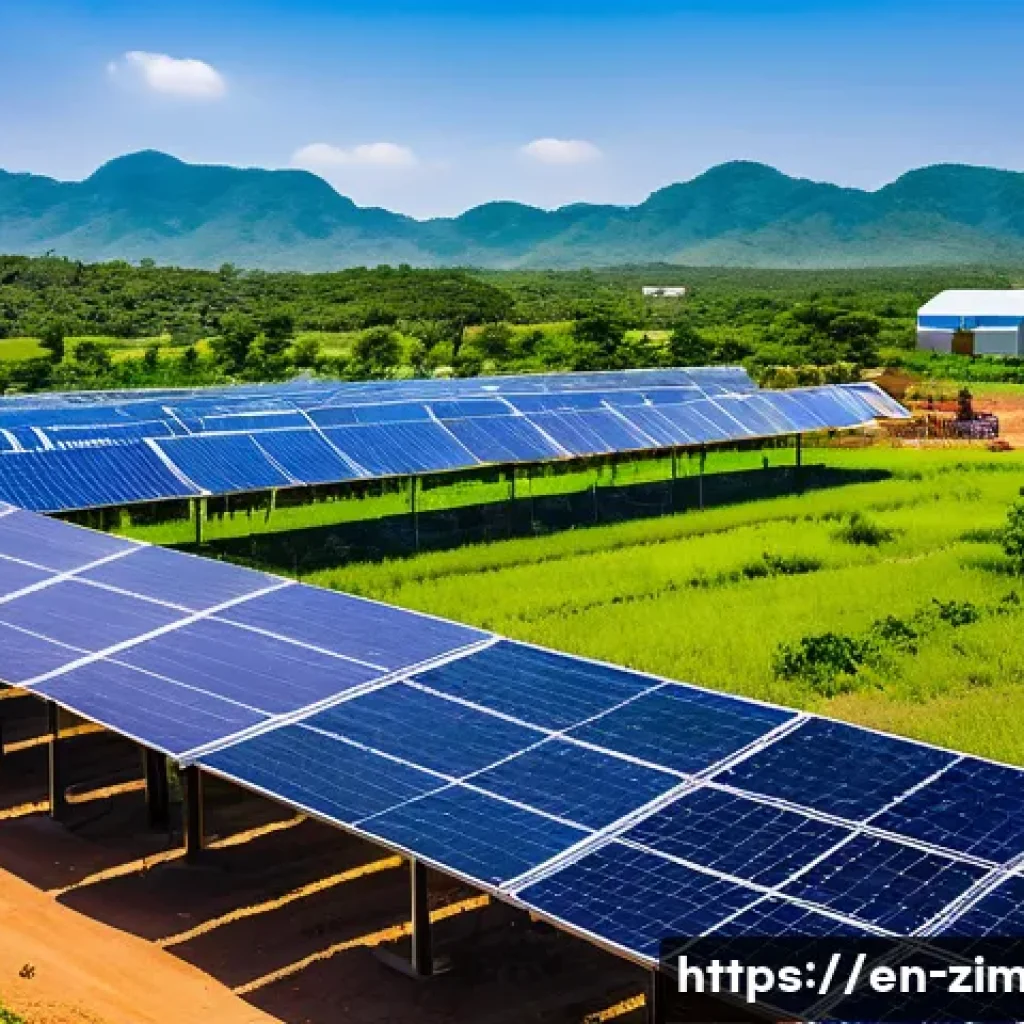
For instance, several projects involving solar power plants have South Korean technical expertise behind them. In my conversations with local business people, there’s a growing optimism that these investments are not only creating jobs but also transferring valuable know-how to Zimbabwe’s workforce.
On the flip side, Zimbabwean entrepreneurs are exploring opportunities in South Korea’s market, particularly in niche sectors like organic farming exports and artisanal crafts, where they can leverage the “Made in Zimbabwe” brand to attract discerning consumers.
Trade and Investment Summary
| Aspect | Zimbabwe’s Strength | South Korea’s Strength | Key Sectors | Recent Trends |
|---|---|---|---|---|
| Trade | Natural resources, agricultural products | Electronics, machinery, consumer goods | Mining equipment, processed foods, technology | Increased bilateral trade agreements, reduced tariffs |
| Investment | Infrastructure potential, labor force | Capital, technical expertise | Renewable energy, telecommunications, manufacturing | Growing South Korean investment in energy projects |
| Market Access | Export growth initiatives | Consumer demand, tech markets | Organic exports, artisanal goods | Emerging Zimbabwean products in Korean markets |
Collaborative Educational and Cultural Exchanges
Scholarships and Academic Partnerships
Education serves as a bridge linking Zimbabwe and South Korea in a profoundly human way. Over the past decade, scholarship programs sponsored by South Korean institutions have enabled Zimbabwean students to study in Korea’s universities, particularly in fields like engineering, IT, and environmental science.
From personal stories I’ve encountered, many Zimbabwean graduates return home inspired and equipped with skills that are hard to acquire locally. This exchange not only benefits individual students but also enhances Zimbabwe’s human capital development.
Moreover, academic collaborations have fostered joint research projects, especially in sustainable agriculture and technology transfer.
Cultural Diplomacy and People-to-People Connections
Cultural exchanges have played an essential role in deepening mutual understanding. Events showcasing Korean music, cuisine, and traditional arts have become more frequent in Zimbabwe, attracting diverse audiences eager to experience something new.
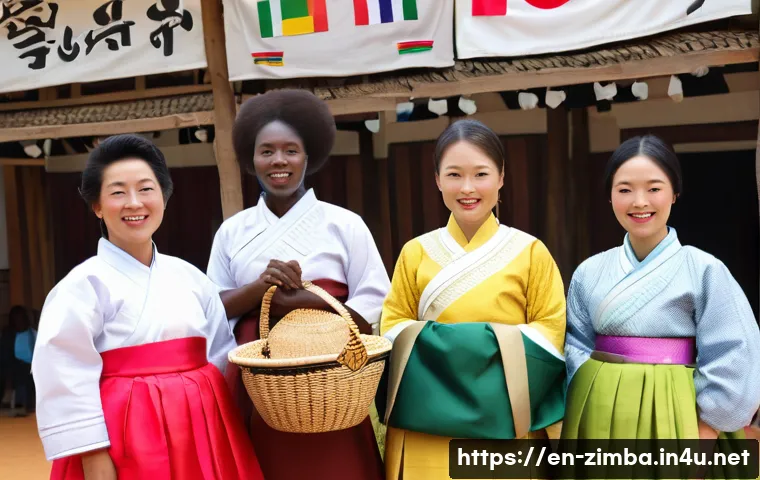
Likewise, Zimbabwean cultural festivals in South Korea have introduced Korean society to African heritage, creating a warm space for dialogue and friendship.
In casual chats, I’ve heard how these cultural moments help break down stereotypes and build genuine appreciation between peoples, which is crucial for any lasting diplomatic relationship.
Language and Communication Initiatives
Language education has also seen a boost, with Korean language courses gaining popularity in Zimbabwean universities and cultural centers. Learning the language facilitates smoother communication and opens doors for future cooperation in business and diplomacy.
Similarly, English language programs in South Korea often incorporate African studies, broadening awareness among Korean students about Zimbabwe’s history and challenges.
These educational efforts create a foundation for ongoing dialogue, making sure that both countries can engage effectively beyond formal settings.
Technological Cooperation and Innovation Partnerships
Technology Transfer and Capacity Building
One of the most exciting aspects of Zimbabwe and South Korea’s relationship lies in technological collaboration. South Korea’s expertise in IT, telecommunications, and renewable energy has been gradually shared with Zimbabwean counterparts.
I recall visiting a project site where South Korean engineers were training local technicians to maintain solar power installations. This hands-on approach ensures that Zimbabwe isn’t just a passive recipient but an active participant in adopting new technologies.
Such partnerships help Zimbabwe leapfrog certain development stages, especially in providing reliable electricity and internet access.
Startups and Innovation Ecosystems
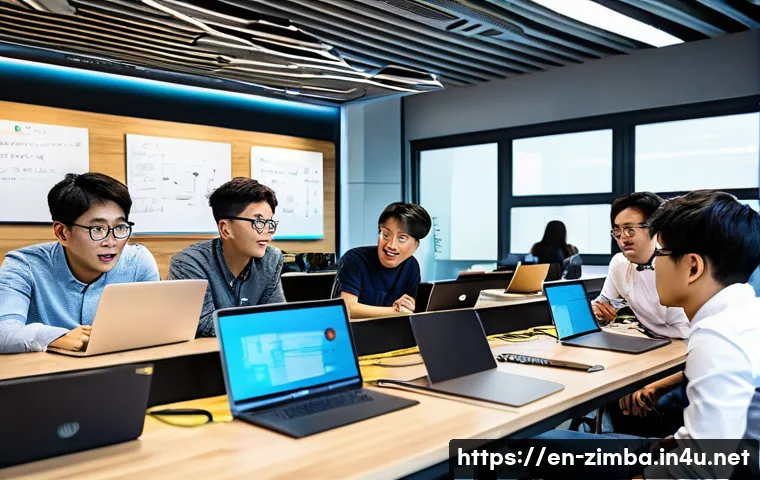
South Korea’s vibrant startup culture has started influencing Zimbabwe’s burgeoning tech scene. Through joint incubator programs and exchange visits, young entrepreneurs from Zimbabwe gain exposure to cutting-edge innovation strategies and business models.
From conversations with startup founders, many see these connections as invaluable in scaling their ideas and attracting investment. The collaborative environment encourages sharing knowledge about mobile apps, fintech, and agritech solutions, areas where both countries stand to benefit immensely.
Challenges and Future Directions
Despite promising advances, challenges remain in harmonizing technological standards and ensuring sustainable funding. Infrastructure gaps and bureaucratic hurdles sometimes slow down project implementation.
However, ongoing dialogue between policymakers and business leaders is addressing these issues with more coordinated strategies. Looking ahead, there is a shared vision to deepen digital transformation in Zimbabwe through Korean partnerships, which could revolutionize sectors like education, healthcare, and agriculture.
Diplomatic Engagement and Multilateral Cooperation
High-Level Visits and Agreements
Diplomatic visits between Zimbabwean and South Korean leaders have played a significant role in cementing ties. These occasions often result in the signing of memoranda of understanding that pave the way for cooperation in diverse fields.
I remember when a recent delegation from South Korea emphasized support for Zimbabwe’s development goals, highlighting areas such as infrastructure and technology.
These diplomatic efforts not only boost bilateral relations but also demonstrate both nations’ commitment to global partnership principles.
Collaboration in International Forums
Both countries actively engage in multilateral organizations such as the United Nations and the Non-Aligned Movement. They often find common ground on issues like climate change, sustainable development, and peacekeeping.
Their joint participation in these platforms amplifies their voices and facilitates exchanges of best practices. From what I’ve observed, such collaboration reflects a pragmatic approach where smaller and emerging nations build alliances to influence global agendas effectively.
People-Centered Diplomacy
Beyond official channels, grassroots diplomacy initiatives involving civil society and youth organizations have gained momentum. These programs foster dialogue on topics like cultural heritage, environmental conservation, and education.
By empowering citizens to participate in diplomacy, both Zimbabwe and South Korea create a more resilient and multifaceted relationship. The personal stories and friendships formed through these exchanges often outlast political cycles, adding depth to their international partnership.
Environmental and Sustainable Development Initiatives
Joint Efforts in Renewable Energy
Recognizing the urgent need for sustainable solutions, Zimbabwe and South Korea have collaborated on renewable energy projects that harness solar and wind power.
South Korean technology has been instrumental in setting up pilot plants in Zimbabwe, which serve as models for scaling clean energy access across rural areas.
From firsthand accounts, these initiatives not only reduce reliance on fossil fuels but also improve living standards by providing stable electricity.
The success stories from these projects encourage further investment and policy support.
Conservation and Biodiversity Programs
Both nations share a commitment to preserving biodiversity and natural habitats. Collaborative research and funding have supported wildlife conservation efforts in Zimbabwe, while South Korea offers expertise in environmental management and policy frameworks.
These joint programs often involve community participation, ensuring that conservation benefits local populations economically and socially. Such holistic approaches have proven more effective in sustaining ecosystems and promoting eco-tourism.
Climate Change Adaptation Strategies
Addressing climate change impacts is a priority for both countries, especially given Zimbabwe’s vulnerability to droughts and South Korea’s industrial footprint.
Exchange of knowledge on adaptation techniques, including water management and resilient agriculture, has been crucial. Workshops and technical training sessions led by Korean experts have equipped Zimbabwean officials and farmers with tools to mitigate climate risks.
This collaboration exemplifies how international partnerships can generate practical solutions to shared global challenges.
Healthcare Collaboration and Public Health Initiatives
Medical Training and Capacity Development
Healthcare has emerged as a vital area of cooperation, with South Korea providing training programs for Zimbabwean medical professionals. From what I’ve learned, these initiatives focus on improving skills in areas like diagnostics, maternal health, and infectious disease management.
Many participants praise the hands-on training and exposure to advanced medical technologies, which enhance healthcare delivery back home. This knowledge transfer strengthens Zimbabwe’s healthcare system and builds long-term resilience.
Joint Research on Disease Prevention
Collaborative research projects have targeted diseases prevalent in Zimbabwe, such as malaria and tuberculosis. South Korean institutions bring advanced laboratory capabilities and funding, while Zimbabwean researchers contribute local insights and field data.
The synergy of these efforts accelerates the development of effective prevention and treatment strategies. These partnerships also foster trust and scientific exchange, which are crucial for tackling health crises.
Community Health Outreach Programs
Beyond hospitals, joint outreach programs focus on educating communities about hygiene, nutrition, and vaccination. These grassroots efforts often involve volunteers and NGOs from both countries working side by side.
I’ve witnessed how such programs empower individuals to take charge of their health, resulting in measurable improvements in public health indicators.
The collaborative spirit in these initiatives highlights the human side of international relations, where shared compassion leads to tangible benefits.
Conclusion
The growing relationship between Zimbabwe and South Korea showcases a promising blend of economic, cultural, and technological collaboration. As both nations continue to deepen their ties, the benefits extend beyond trade to education, innovation, and sustainable development. This evolving partnership reflects a shared commitment to mutual growth and global cooperation, offering exciting opportunities for future progress.
Useful Information to Know
1. Zimbabwe’s rich natural resources make it a valuable partner for South Korea’s industrial and technological sectors.
2. South Korean investments in renewable energy and infrastructure are boosting Zimbabwe’s economic development.
3. Educational exchanges and scholarships are strengthening human capital and fostering cross-cultural understanding.
4. Collaborative innovation programs help Zimbabwean startups gain exposure to advanced business models and technologies.
5. Joint efforts in healthcare and environmental sustainability are addressing critical challenges while enhancing community well-being.
Key Takeaways
The partnership between Zimbabwe and South Korea is built on complementary strengths—Zimbabwe’s natural and human resources paired with South Korea’s technological expertise and capital investment. Effective collaboration spans trade, education, technology, diplomacy, and sustainable development, creating a multi-dimensional alliance. Despite some challenges such as infrastructure and regulatory hurdles, continuous dialogue and joint initiatives are paving the way for lasting impact. This relationship exemplifies how emerging economies and advanced nations can work together to achieve shared goals and foster inclusive growth.
Frequently Asked Questions (FAQ) 📖
Q: What are the main areas of cooperation between Zimbabwe and South Korea?
A: Zimbabwe and South Korea collaborate primarily in trade, education, and technology. Over the years, South Korea has invested in Zimbabwe’s infrastructure and technology sectors, while Zimbabwe benefits from educational exchange programs and technical training initiatives.
This partnership helps both countries grow economically and socially by sharing knowledge and resources, which is quite impressive considering their different backgrounds.
Q: How have historical and cultural differences affected the diplomatic relationship between Zimbabwe and South Korea?
A: Despite their distinct histories and cultures, Zimbabwe and South Korea have successfully built a relationship based on mutual respect and shared goals.
Instead of letting differences create barriers, both nations have focused on common interests like economic development and global cooperation. This approach has fostered trust and opened doors for more meaningful collaborations, showing how diplomacy can bridge diverse worlds.
Q: Why is the Zimbabwe-South Korea relationship important in the context of global diplomacy?
A: The Zimbabwe-South Korea relationship is a great example of how smaller or less highlighted nations can engage meaningfully on the world stage beyond the usual major powers.
Their evolving partnership reflects a broader trend of diverse countries finding ways to support each other’s growth. This dynamic enriches global diplomacy by promoting inclusivity and demonstrating that cooperation isn’t limited to traditional alliances.