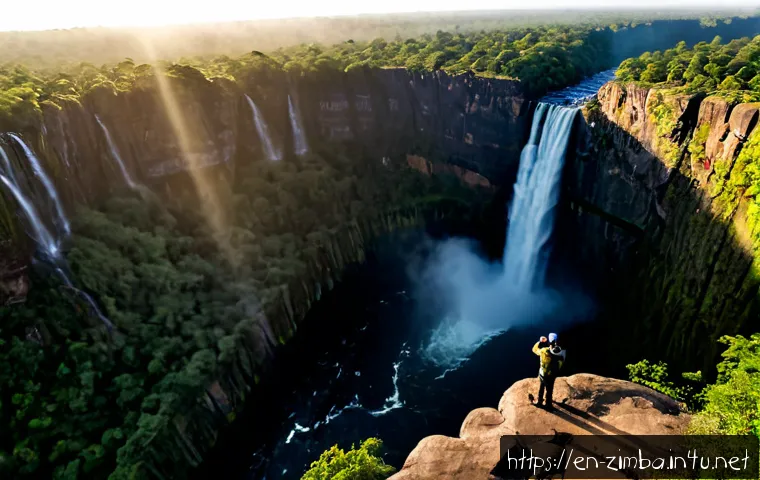
Drone filming in Zimbabwe may be possible, but the approval needed depends on why you are flying, where you plan to fly, and how the footage will be used.
Aviation permission, location permission, and commercial client approval can be separate requirements. This matters for travelers recording personal footage as well as businesses planning tourism, real-estate, hospitality, or documentary content.
Before booking flights or transporting equipment, compare the workload of bringing your own drone with hiring a Zimbabwe-based aerial videography service.
A local operator may reduce coordination risk when a shoot involves protected areas, remote locations, client deliverables, or weather-sensitive schedules.
Confirm the current rules for your exact drone, route, and date rather than relying on older travel posts.
At a Glance
- Zimbabwe’s civil aviation authority is the relevant regulator for aircraft operations, including remotely piloted aircraft systems.
- Drone approval can vary by flight purpose, aircraft details, operator status, and the planned location.
- Airports, protected areas, government-related sites, private lodges, and commercial shoots may require separate checks or written consent.
| Planning Option | Best Fit | Main Approval Workload | Common Cost Drivers |
|---|---|---|---|
| Bring your own drone | Travelers or small crews with a simple, flexible shot list | Verify aviation requirements, customs paperwork, location rules, and operator eligibility | Transport, travel insurance, equipment protection, backup batteries, permit administration, and contingency time |
| Hire a local aerial operator | Commercial productions, remote shoots, tourism content, and time-sensitive client work | Confirm what the operator handles and what the client or production company must provide | Drone pilot service, transport, production coordination, permissions support, and weather rescheduling |
| Use ground-based filming only | Projects with restricted locations, limited time, or no clear aerial authorization | Location access and ordinary filming consent may still apply | Camera crew, vehicle access, stabilization equipment, and location fees where applicable |
Can You Legally Film From a Drone in Zimbabwe?
The short answer is: possibly, but do not assume that carrying a drone means you may fly it. Zimbabwe’s civil aviation authority is the relevant regulator for aircraft operations, including remotely piloted aircraft systems. The applicable process can differ according to whether the flight is recreational or commercial, the aircraft weight, the location, and the operator’s status.
For a travel video, the question is not only whether you can operate the drone. You should also confirm whether the particular lodge, park, attraction, landowner, or venue permits takeoff, landing, and aerial filming. For a paid production, there may be additional production authorization, location consent, or client documentation requirements.
The Short Answer for Visitors, Hobbyists, and Commercial Crews
A visitor making personal social content may face a different review than a crew producing a hotel campaign, a real-estate video, or a documentary. That distinction should be stated clearly when you ask for guidance. Calling a commercial project “personal filming” can create avoidable problems if a client, brand, agency, or tourism operator is involved.
Confirm the purpose of the footage first. Then confirm the proposed flight location, dates, drone specifications, pilot details, and whether the material will be used for advertising, client delivery, or publication. These basics make it easier for the relevant aviation and location contacts to assess the request.
Why Aviation Approval and Location Approval Are Separate Checks
Aviation approval concerns the aircraft operation. Location approval concerns whether you may access and film from a particular place. Neither should be assumed to cover the other. A site may allow visitors but restrict drones, while a flight that appears operationally suitable may still require consent from a landowner, lodge, conservation manager, or event organizer.
Commercial crews may also need a third layer: client and production permission. A client may require proof of suitable insurance, written authorization, a defined shoot scope, or a qualified local production partner before approving aerial footage for a campaign.
Compare Your Options Before Planning the Shoot
Bringing Your Own Drone Versus Hiring a Local Aerial Operator
Bringing your own drone gives you control over your preferred camera system and shot style. It also places more planning on you. You may need to verify customs declarations or supporting paperwork, current aviation requirements, battery transport arrangements, and each location’s filming policy before departure.
Hiring a local aerial videography service can be the lower-risk option when the location is unfamiliar, the schedule is tight, or the footage is being produced for a paying client. A Zimbabwe-based operator may be better positioned to coordinate local transport, assess conditions on the ground, and explain what documentation is needed. That does not remove your need to confirm scope and permissions in writing.
When comparing drone operator quotes, ask whether the quote covers only flying and camera work, or also includes permit coordination, location liaison, transport, weather standby, and delivery requirements.
Cost Factors: Permits, Insurance, Transport, Crew, and Contingency Days
A realistic aerial production budget is more than a drone day rate. Build a framework around permit administration, local fixer or licensed pilot support where required, transport to the filming area, insurance, backup equipment, and weather contingency days. Remote work may also require additional planning for charging, communications, and safe movement of crew and gear.
Do not assume published prices, old forum comments, or another traveler’s experience will match your project. Current permit fees, processing times, insurance requirements, and application documents should be verified for the intended date. If a project has a fixed launch date, factor the uncertainty into the production schedule before committing to talent, accommodation, or client delivery dates.
When Ground Cameras May Be the Simpler Choice
Ground-based filming can be the practical choice when aerial approval is unclear, access is limited, or the visual need does not justify the additional planning. A stabilized ground camera, elevated viewpoint, vehicle-based sequence, or carefully planned establishing shots may meet the brief without introducing airspace and location-permission complexity.
This is especially worth considering around sensitive locations, crowds, wildlife areas, and short tourism itineraries. A simpler approach can protect the schedule while still producing usable content.
Permissions and Restricted Locations to Verify
Airports, Controlled Airspace, and Security-Sensitive Areas
Flights near airports, airfields, controlled airspace, security-sensitive sites, and government facilities may be restricted or require specific authorization. Do not estimate boundaries from memory or assume that a visually quiet area is unrestricted. Exact no-fly boundaries, altitude limits, and operating-distance rules must be checked for the planned route and flight date.
If your itinerary moves between cities, lodges, or rural areas, review each filming point separately. A change in location can change the airspace and access questions entirely.
National Parks, Wildlife Areas, Tourism Sites, and Private Lodges
National parks, wildlife areas, heritage sites, lodges, and private land may impose their own filming, access, and conservation rules. Permission to stay at a lodge or visit an attraction does not automatically mean that drone use is allowed. Ask specifically about takeoff, landing, aerial filming, and commercial use of the footage.
Wildlife adds another safety and conservation concern. Conditions can change quickly, and the presence of animals may make a planned flight inappropriate even if access was arranged. Keep the project flexible rather than treating an aerial shot as guaranteed.
Commercial Clients, Events, Crowds, and Property Consent
Commercial shoots can require permissions beyond aviation approval. A hotel, property owner, event organizer, tourism business, or agency client may need to authorize filming. Footage of identifiable people or private property can also raise privacy and consent considerations.
For events and public-facing campaigns, clarify who is responsible for participant notices, property access, client releases, and on-site coordination. A drone pilot should not be expected to solve production consent issues that belong to the organizer or commissioning client.
Practical Flight Planning and Common Mistakes
Confirm Rules Before Travel Instead of Relying on Old Online Advice
The most common planning mistake is treating a past travel post as a current operating rule. Requirements can change, and the answer may differ by drone model, weight category, location, and purpose. Confirm the position directly with the relevant aviation and location authorities before purchasing non-refundable travel or production services.
Foreign visitors should also verify whether bringing a drone through customs requires declarations or supporting paperwork. Keep any confirmations, equipment records, and project documents accessible during travel.
Prepare Drone Specifications, Pilot Details, Flight Plan, and Project Purpose
A clear inquiry is easier to review than a vague request. Prepare the drone model and specifications, pilot details, intended dates, proposed locations, a basic flight plan, and a straightforward description of the project purpose. For commercial work, include the client type and whether the footage will be used for advertising, hospitality marketing, property promotion, documentary production, or another business purpose.
Be precise without overstating certainty. If the schedule may move because of weather, say so. If several locations are under consideration, list them rather than presenting an incomplete route.
Plan for Wind, Wildlife, Batteries, Charging, and Remote Communications
Safe planning is not only paperwork. Weather and wind can materially affect flight decisions. Wildlife, crowds, remote-area communications, charging availability, and battery management can also change what is practical on the day.
Build a conservative shot list with alternatives. Carrying backup equipment may be useful, but it also adds transport and customs considerations. For remote shoots, agree in advance on who makes the final go/no-go decision if conditions are unsuitable.
Guidance by Filming Scenario
Tourist Travel Videos and Personal Social Content
For personal travel footage, keep expectations modest until the airline, customs, aviation, and destination-specific questions are confirmed. Check the rules for every lodge, attraction, park, or private property where you hope to fly. A small drone and a non-commercial intention do not automatically remove location restrictions.
If aerial filming is not clearly allowed, use ground footage rather than risking a disrupted trip. Travel insurance may be worth reviewing for equipment-related coverage, but confirm the policy terms rather than assuming drone equipment or aerial activity is included.
Real-Estate, Hospitality, and Business Marketing Footage
Marketing footage has a clearly commercial purpose. Plan for aviation checks, property-owner consent, and client documentation from the start. Hotels, lodges, developers, and tourism businesses should confirm whether their site rules permit aerial work and whether any guest, wildlife, or privacy constraints affect the schedule.
Request a written commercial production quote that separates pilot services, local transport, location coordination, insurance-related requirements if applicable, and weather contingency. This makes it easier to compare a local drone service with the cost and workload of traveling with your own aircraft.
Documentary, Agency, and International Production Projects
Larger productions should treat drone work as a dedicated planning stream. Aviation approval, location access, client requirements, production authorization, equipment movement, and weather alternatives can all affect the shooting plan. A local fixer or aerial production partner may be valuable where multiple sites, protected areas, remote logistics, or a fixed client schedule are involved.
Keep a written record of who is responsible for each approval. This avoids a common gap: assuming the producer, client, lodge, pilot, or location manager has handled an item when nobody has confirmed it.
Selection Criteria and Comparison Summary
Use these checks before choosing your filming approach:
- Purpose: Is the footage personal, commercial, client-funded, or intended for marketing?
- Location: Is the shoot near an airport, airfield, protected area, wildlife site, government-related location, lodge, or private property?
- Responsibility: Who will verify aviation approval, location consent, customs paperwork, and client documentation?
- Operational risk: Can wind, wildlife, crowds, charging limits, or remote communications change the plan?
- Budget: Does the quote account for permits, pilot, transport, insurance considerations, backup equipment, and weather rescheduling?
A local drone service is often worth considering when the work is commercial, schedule-sensitive, remote, or dependent on location coordination. Request a written quote covering permits, pilot, transport, and weather rescheduling. For current operating conditions and exact requirements, review the relevant official guidance and the location’s own filming terms before packing equipment.
Closing Thoughts
Drone filming in Zimbabwe should be planned as more than a camera decision. The workable answer depends on aviation requirements, the exact site, the intended use of the footage, and conditions on the day. Separating those checks early helps travelers avoid carrying equipment they cannot use and helps production teams build more credible schedules. When the project is commercially important, local aerial production support can be a sensible way to reduce coordination risk.
Useful Information to Keep in Mind
Keep written confirmations: Save approvals, location consent, client instructions, equipment details, and any customs-related paperwork in an accessible format.
Ask location-specific questions: “May we take off, land, and film aerial footage here?” is more useful than asking whether drones are generally allowed.
Protect the schedule: Include a ground-camera alternative and allow for weather or site-condition changes.
Important Notes
This guide does not confirm whether a particular drone, weight class, pilot, location, or date requires registration, a permit, insurance, or a licensed local operator. Permit fees, processing times, customs procedures, application documents, airspace boundaries, and operational limits require current verification. Do not rely on this article as a substitute for confirmation from the relevant aviation authority, location manager, property owner, or production client.
Frequently Asked Questions
Q1. Do I need a permit to fly a drone in Zimbabwe as a tourist?
A1. It depends on the drone, flight purpose, operator status, and exact location. Tourism status alone does not answer the question. Verify current aviation requirements, any customs paperwork, and the rules of each lodge, park, attraction, or private site before travel.
Q2. Is it safer to hire a local drone operator for commercial filming in Zimbabwe?
A2. It can be lower-risk for commercial work because a local operator may be familiar with local production logistics, transport, and location coordination. However, confirm in writing what the operator handles, what permissions remain with the client or producer, and whether the quote includes weather rescheduling and related support.
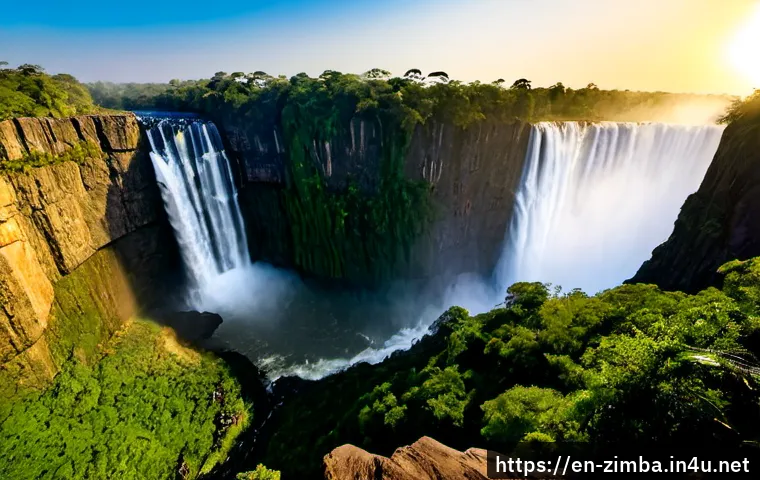
Q3. Can I fly a drone near Victoria Falls, national parks, or wildlife areas?
A3. Do not assume that you can. Tourism sites, national parks, wildlife areas, heritage locations, and nearby airspace may have their own restrictions or approval processes. Confirm the specific site’s policies on takeoff, landing, and aerial filming, along with current aviation requirements, before making plans.