Hey there, fellow adventurers! If you’re anything like me, you’ve probably got Zimbabwe swirling around in your travel dreams. It’s a place that truly captures your heart, from the thundering majesty of Victoria Falls to the incredible wildlife encounters you can’t get anywhere else.
But trust me, knowing *when* to go can completely transform your trip from good to absolutely unforgettable. I’ve personally found that timing your visit just right with the local climate and seasons isn’t just a suggestion; it’s the secret sauce for an authentic, breathtaking experience.
Whether you’re chasing epic game drives or yearning for the lush, vibrant landscapes, understanding Zimbabwe’s rhythm is key. Getting this right means you’ll witness nature’s spectacles at their prime and truly immerse yourself in this stunning country.
Ready to unlock the best of Zimbabwe? Let’s dive into the specifics now!
Unlocking Safari Magic: The Dry Season Advantage
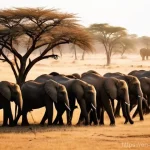
I can’t emphasize enough how much the dry season (roughly May to October) truly enhances a safari experience in Zimbabwe. Imagine this: the landscape parches, rivers shrink, and the thirsty wildlife congregates around fewer, more predictable water sources.
For someone like me, who lives for those up-close wildlife encounters, this is absolute heaven. My last trip during this period, particularly in Hwange National Park, felt like I was watching a live documentary.
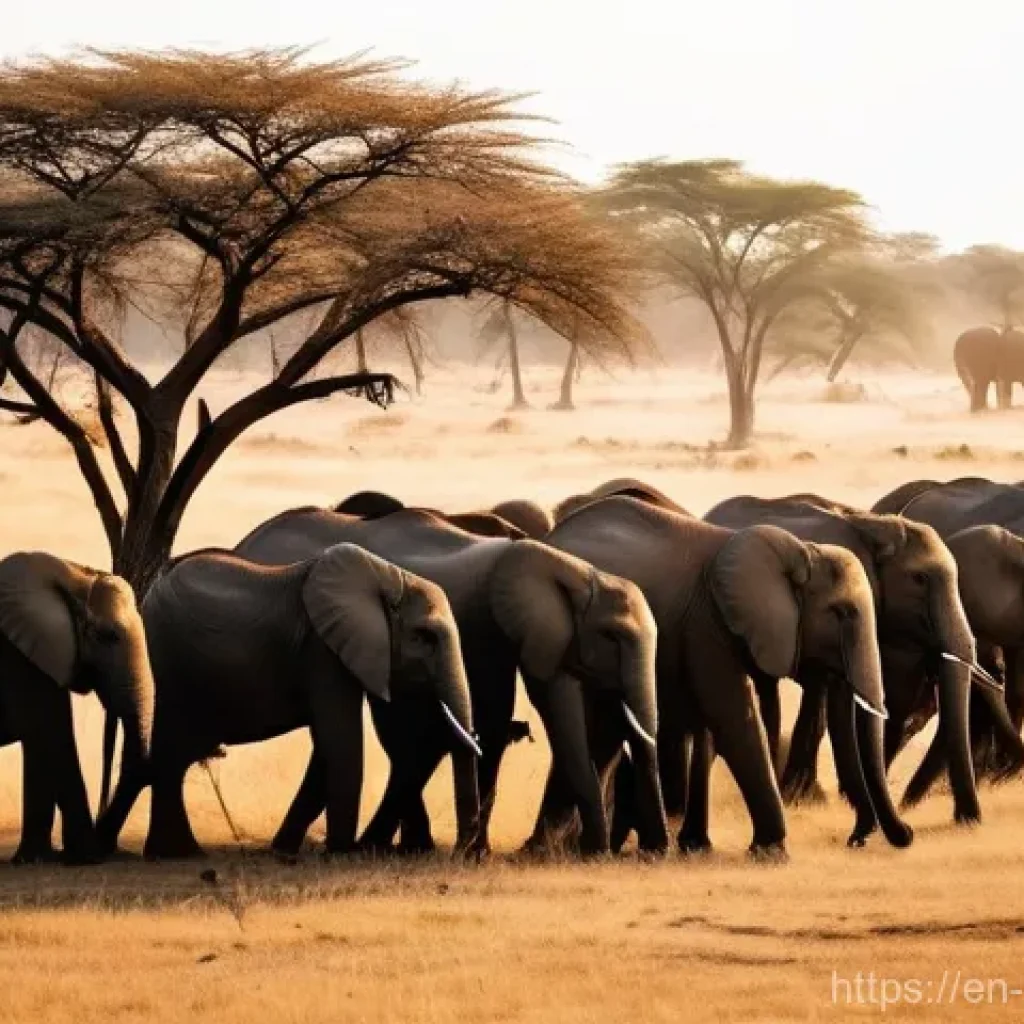
We’d sit by a watering hole, and within minutes, herds of elephants, impalas, and even a stealthy leopard would emerge, almost on cue. The vegetation is sparse, which means visibility is incredible, and spotting those elusive predators becomes a genuinely thrilling game.
Plus, the cooler mornings and evenings are just divine for game drives; you’re not battling intense heat, making those early morning starts much more bearable.
There’s a certain raw beauty to the dry season, a sense of struggle and survival that makes every sighting feel profound. It’s when the savanna truly comes alive in its most dramatic form, and I always recommend it for first-time safari-goers who want the best chances of seeing a wide variety of animals.
The feeling of anticipation as your guide tracks fresh paw prints in the dusty earth is just something you have to experience for yourself.
Prime Wildlife Viewing Opportunities
During the dry months, the lack of rain means that water is a precious commodity, forcing animals to gather at permanent waterholes. This集中makes them significantly easier to find and observe.
I recall one morning in Mana Pools, we simply positioned ourselves near the Zambezi River, and within an hour, we saw everything from crocodiles sunning themselves to wild dogs on a hunt.
The sheer volume of animals at these concentrated points is astounding. It’s not just about seeing them, it’s about observing their natural behaviors, their interactions, and the subtle dynamics of the ecosystem.
The guides are incredibly adept at reading the landscape during this time, knowing exactly where to lead you for the most spectacular sightings. It truly feels like nature is putting on a show just for you, and trust me, it’s a performance you won’t soon forget.
Comfortable Temperatures for Exploration
Another huge perk of the dry season is the weather. While the midday sun can still be quite warm, especially as October approaches, the mornings and evenings are wonderfully mild, sometimes even chilly enough for a light jacket.
This makes those early morning game drives and sundowner excursions incredibly pleasant. I’ve been on safaris where the heat was relentless, and it honestly detracts a bit from the experience.
But in Zimbabwe’s dry season, you can genuinely relax and enjoy the fresh air, the stunning sunrises and sunsets, and the sounds of the bush without constantly feeling overheated.
It’s perfect for spending long hours out in the open vehicle, absorbing every detail without discomfort.
The Green Season’s Allure: A Different Kind of Magic
Don’t get me wrong, the dry season is fantastic, but the “green season” (roughly November to April) holds a special place in my heart for entirely different reasons.
When the rains arrive, Zimbabwe transforms into a vibrant, lush paradise. The parched earth drinks deeply, and suddenly, everything is bursting with life.
While wildlife can be a bit more dispersed due to abundant water sources, making sightings a little more challenging, the overall beauty of the landscape is simply breathtaking.
My trip during the early green season was a feast for the eyes – emerald green plains, vibrant wildflowers, and skies that felt impossibly vast and dramatic.
This is when the migratory birds return, and if you’re a birdwatching enthusiast like me, you’re in for an absolute treat. The air feels fresh and clean after the rain, and there’s a sense of renewal everywhere.
Plus, it’s typically considered the low season, which means fewer tourists and often better deals on accommodation and activities. For those who prioritize photography, the dramatic cloud formations and lush backdrops offer unparalleled opportunities.
It’s a completely different rhythm, a softer, more reflective experience, and one I highly recommend for return visitors or those seeking a more serene adventure.
Birdwatching Paradise and Newborns
If you’re passionate about birds, the green season is *the* time to visit. The sheer variety of migratory birds that flock to Zimbabwe is astounding. From colorful bee-eaters to majestic eagles, the skies and trees are alive with calls and vibrant plumage.
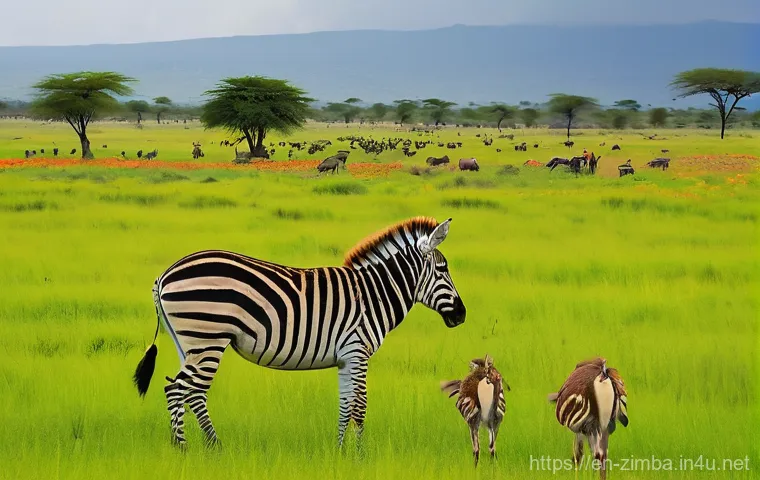
It’s a spectacle you won’t see at any other time of year. But it’s not just about the birds; this is also birthing season for many herbivores. Seeing wobbly-legged baby impalas, zebras, and wildebeest trying to keep up with their mothers is an incredibly heartwarming and often comical sight.
I remember watching a tiny giraffe calf taking its first clumsy steps, and it was a moment of pure, unadulterated joy. These tender scenes add a completely different dimension to the safari, showcasing the cycle of life in its most vulnerable and beautiful form.
Lush Landscapes and Photography Dreams
The transformation of the landscape during the green season is nothing short of miraculous. The muted browns of the dry season give way to an explosion of greens, interspersed with colorful wild flowers.
This vibrant backdrop provides incredible opportunities for photography. The dramatic thunderclouds often build in the afternoons, creating stunning light and atmospheric scenes that are a photographer’s dream.
Imagine elephants silhouetted against a stormy sky, or a leopard peering out from emerald foliage – these are the moments that truly make your portfolio stand out.
While some might shy away from the occasional rain showers, I’ve found they only add to the dynamic beauty of the experience, often leaving behind a fresh, clean scent and intensified colors.
Victoria Falls: When the Roar is Mightiest
Ah, Victoria Falls, or Mosi-oa-Tunya – “The Smoke That Thunders.” There’s a sweet spot for experiencing this natural wonder, and it largely depends on how much spray you’re willing to endure!
For me, the absolute peak season to witness the falls in their full, magnificent glory is right after the main rainy season, typically from April to June.
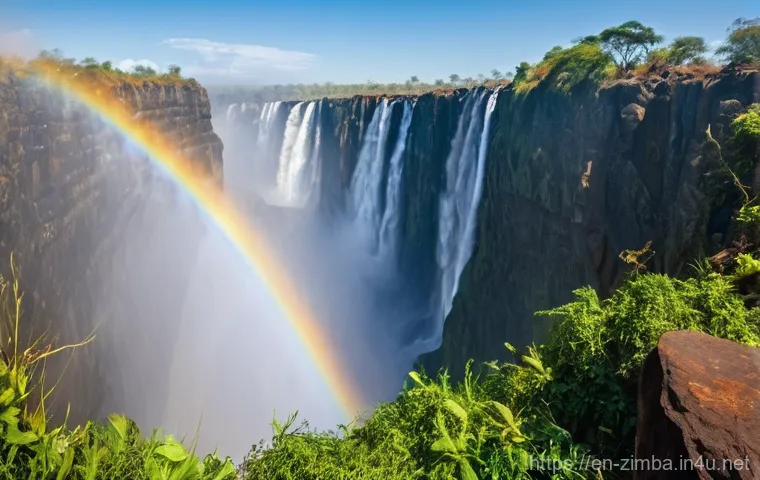
During these months, the Zambezi River is at its highest flow, sending billions of liters of water plunging over the edge every minute. The sheer volume of water creates an immense cloud of spray that rises hundreds of meters into the air, visible for miles around.
It’s an almost spiritual experience, standing there, feeling the immense power of nature vibrate through you, listening to that incredible roar, and getting utterly soaked!
I remember walking along the pathways, feeling like I was in a perpetual rain shower, but with a huge grin on my face. It’s a truly humbling experience that transcends mere sightseeing; it’s an immersion.
High Water: A Sensory Overload
When the Zambezi is in full flood, usually around April to June, the falls are an awe-inspiring spectacle of power. The spray is so intense that certain viewpoints become completely obscured, but the feeling of being engulfed by the ‘smoke’ is unforgettable.
You don’t just see the falls; you feel them, taste them, and hear them with every fiber of your being. My top tip? Embrace the wetness!
Wear quick-drying clothes, bring a waterproof cover for your camera, and just surrender to the experience. It’s truly one of the most powerful natural phenomena on Earth, and seeing it at its peak flow is something I believe everyone should witness at least once in their lifetime.
You’ll be drenched, yes, but you’ll also be utterly mesmerized.
Low Water: Unveiling the Chasm
Conversely, if you visit during the dry season (around September to November), particularly towards the end of it, you’ll see a very different but equally fascinating side of Victoria Falls.
The water levels are significantly lower, especially on the Zambian side, and while the spray isn’t as dramatic, it allows you to see the incredible geological formations of the gorges and the sheer depth of the chasm that the water has carved over millennia.
This is also when activities like the famous Devil’s Pool (on the Zambian side) become accessible – a true adrenaline rush for the brave! I’ve been in both high and low water, and while high water is pure power, low water offers a more intimate, almost archaeological perspective of this natural wonder.
It’s a great time for photography, as you can often get clearer shots without the heavy mist.
Navigating the Shoulder Seasons: My Secret for Fewer Crowds
For those of you, like me, who prefer to avoid the peak tourist rush, the shoulder seasons in Zimbabwe are an absolute gem. These are typically April to May and November.
During these periods, you often get the best of both worlds – the tail end of one season transitioning into the beginning of another. What truly excites me about these times is the feeling of having more space to breathe, more direct interaction with guides, and often slightly better value for money on accommodations.
I once visited in late November, right as the first rains were starting to kiss the parched earth, and the contrast between the dry landscapes and the promise of lushness was just incredible.
The air had a certain freshness to it, and the wildlife, while perhaps not as concentrated as in peak dry season, felt more natural and less disturbed by human presence.
It’s a trade-off, of course; you might not see every single animal on your list, but what you gain in terms of a more authentic, less crowded experience is, in my opinion, priceless.
April to May: A Sweet Spot
This period sees the end of the rains and the beginning of the dry season. The landscapes are still wonderfully green from the recent rains, but the weather starts to cool down, and animal sightings begin to improve as water sources diminish.
It’s a fantastic time for photography because the vegetation is still vibrant, and the air is often clear. You might catch Victoria Falls still roaring with high water levels, but without the intense crowds of the absolute peak.
I always feel like this window offers a perfect balance – beautiful scenery, good wildlife chances, and a more relaxed atmosphere. Plus, the transition of the environment is a beautiful thing to witness, from the fading lushness to the emerging golden hues.
November: The Promise of Rain
Visiting in November, just before the heavy rains, is another unique experience. The temperatures can be quite high, but the atmosphere is charged with anticipation for the coming wet season.
You might witness dramatic thunderstorms, which are an experience in themselves. Wildlife viewing can still be excellent, especially early in the month, as animals are still relying on fewer water sources before the widespread rains.
What I truly love about November is the feeling of being present during a moment of profound change in nature. It’s when the first migratory birds start to arrive, and the sense of renewal is palpable.
It’s a fantastic time for those who appreciate the dynamic shifts in a natural landscape and don’t mind a bit of heat.
Zimbabwe’s Seasonal Activity Guide
Thinking about what you want to do is just as important as when you want to go. Zimbabwe offers such a diverse range of activities, and many are seasonal.
I’ve found that aligning your trip with your passions makes all the difference. For instance, if you’re a hardcore birder, visiting during the green season is non-negotiable.
But if your heart is set on a classic safari with guaranteed big game sightings, then the dry season is your best bet. It’s all about managing expectations and making an informed choice.
I always tell my friends to prioritize their absolute must-dos and then see which season best accommodates them. Sometimes, this means a compromise, but often, it simply means discovering a new favorite activity you hadn’t considered.
I mean, who knew I’d fall in love with watching newborn animals during the rainy season after being such a dry-season safari purist? It just goes to show you that Zimbabwe always has a surprise up its sleeve!
| Activity | Best Time to Visit | What to Expect |
|---|---|---|
| Safari & Wildlife Viewing | May – October (Dry Season) | High concentration of animals at waterholes, sparse vegetation for easy spotting, cooler mornings/evenings. |
| Victoria Falls (High Water) | April – June | Maximum spray and roar, truly awe-inspiring power, expect to get soaked! |
| Victoria Falls (Low Water & Devil’s Pool) | September – November | Clearer views of the gorge, less spray, Devil’s Pool accessible (Zambian side). |
| Birdwatching | November – April (Green Season) | Abundance of migratory birds, vibrant plumage, breeding season. |
| Photography (Landscape) | November – April (Green Season) | Lush, vibrant greens, dramatic skies, wildflowers. |
| Photography (Wildlife) | May – October (Dry Season) | Clear visibility, animals against golden, dusty backdrops. |
Budgeting Your Zimbabwean Adventure: Seasonal Savings
Let’s talk money, because let’s be real, a dream trip needs a realistic budget. One of the biggest factors influencing costs in Zimbabwe is the season you choose to travel.
I’ve personally seen how much prices can fluctuate, and smart timing can save you a significant amount, freeing up funds for extra activities, a nicer lodge, or perhaps another safari experience!
Generally, the peak dry season (July to October) sees the highest prices for safaris and accommodations. Demand is high, and lodges fill up quickly. If you’re looking to stretch your travel budget further without compromising on an incredible experience, considering the green season or the shoulder months is a genius move.
I managed to snag a fantastic deal on a luxury tented camp during the early green season once, and it felt like I was getting a truly exclusive experience for a fraction of the usual cost.
It’s not just about flights and accommodation; everything from guided tours to certain activities can see price variations. Always do your homework, but remember that flexibility with your travel dates can open up some amazing financial opportunities.
Low Season: More Bang for Your Buck
During the green season (roughly November to April), especially after the Christmas holidays, you’ll often find significantly reduced rates for lodges, safaris, and even some flights.
This is largely due to lower demand, as many travelers prefer the perceived ease of dry-season safaris. However, as I’ve mentioned, the green season offers its own unique magic!
So, if you’re budget-conscious but still crave an authentic Zimbabwean adventure, this is your golden ticket. You might find yourself in smaller safari vehicles, with more personalized attention from guides, and a general feeling of having the wilderness almost to yourself.
It’s a fantastic way to experience the country’s beauty without breaking the bank, leaving you more money for those incredible local crafts or perhaps an unforgettable helicopter ride over Victoria Falls.
Shoulder Season: Smart Savings
The shoulder months (April/May and November) offer a fantastic compromise for budget-savvy travelers. You’re still benefiting from fairly good weather and activity levels, but you’re often ahead or behind the absolute peak pricing.
I’ve found that booking early for these periods can yield some excellent discounts. You get to enjoy many of the perks of the high season – decent wildlife viewing, manageable weather – but without paying the top-tier prices.
It’s like finding that perfect mid-range wine that tastes like a premium bottle. For me, it’s all about maximizing the experience while being smart with my money, and the shoulder seasons are definitely where that balance lies.
You’ll often find lodges offering special packages or slightly reduced nightly rates, which can add up to significant savings over a multi-day trip.
Immersing in Local Culture: Seasonal Festivals and Traditions
Beyond the incredible wildlife and natural wonders, Zimbabwe’s vibrant culture is a huge draw for me. And just like the wildlife and landscapes, the local traditions and festivals often align with the seasons.
Visiting at certain times can offer you unique opportunities to engage with the local communities and truly understand the heart and soul of this incredible nation.
It’s one thing to see animals, but it’s another entirely to connect with the people and their way of life. I’ve been fortunate enough to experience a few local gatherings during my travels, and those interactions have always been among the most memorable parts of my trips.
Whether it’s harvest celebrations or traditional ceremonies, these moments provide a depth of experience that a simple safari alone can’t quite offer.
It adds a human dimension to the adventure, reminding you that travel is as much about people as it is about places.
Harvest Celebrations in the Green Season
During the green season, following the rains, is often a time of harvest and abundance in many rural communities. This can lead to local festivals and celebrations that offer a fantastic glimpse into Zimbabwean culture.
While these aren’t typically tourist-focused events, asking your lodge or local guide about any upcoming community gatherings can lead to truly authentic experiences.
I once stumbled upon a small village celebration during my green season trip, and the warmth, music, and sense of community were absolutely infectious.
It was an impromptu lesson in local customs, and I felt so welcomed. These are the moments that truly enrich your travel, turning a vacation into a genuine cultural exchange.
Dry Season: Community Engagement and Markets
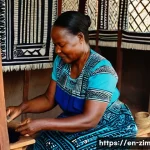
In the drier months, when agricultural work might slow down, community life often becomes more focused on markets and social gatherings. This is a great time to visit local craft markets, interact with artisans, and learn about their traditional skills.
The smaller towns around major tourist hubs often have bustling markets where you can find unique souvenirs and practice your bargaining skills – all part of the fun!
I’ve found that local guides are often excellent bridges to these community experiences, helping you navigate cultural nuances and fostering respectful interactions.
It’s a wonderful opportunity to support local economies directly and take home not just an object, but a story.
Wrapping Things Up
And there you have it, my fellow travel enthusiasts! Planning a trip to Zimbabwe, much like life itself, is all about timing and embracing the journey. I’ve personally found that while every season offers its own unique charm and incredible experiences, understanding these rhythms can truly elevate your adventure from a simple vacation to an immersive exploration. Whether you’re chasing the raw intensity of a dry season safari, reveling in the lush vibrancy of the green season, or feeling the thunderous power of Victoria Falls at its peak, Zimbabwe promises memories that will linger long after you’ve returned home. It’s a country that captures your imagination, warms your heart, and, trust me, will have you dreaming of your next visit the moment you leave. So, go ahead, pick your perfect season, pack your bags, and get ready for the Zimbabwean adventure of a lifetime!
Essential Tips for Your Zimbabwean Adventure
When you’re planning your unforgettable trip to Zimbabwe, there are a few key things I’ve learned that can make all the difference, helping you navigate effortlessly and truly immerse yourself. First off, currency can be a bit tricky. While the official currency is the Zimbabwean Gold (ZiG), the US dollar is widely accepted and often preferred, especially for larger transactions and tourist activities. I always recommend carrying small denominations of US dollars, as getting change can sometimes be a challenge, and ATMs outside major cities can be unreliable. It’s better to be prepared with cash for markets, tips, and smaller purchases.
Next, let’s talk about what to pack for your safari. Neutral colors like khaki, beige, and olive are your best friends as they blend into the environment and are less likely to disturb wildlife. Remember, layering is crucial! Mornings and evenings on game drives can be surprisingly chilly, even in the dry season, so pack warm jackets or fleeces. During the day, lightweight, breathable fabrics are perfect for the heat. Oh, and a crucial tip: avoid any clothing that resembles military wear, as it’s actually prohibited in Zimbabwe.
Regarding your health, it’s always wise to consult with a travel health clinic well before your departure to ensure all your routine vaccinations are up to date and to discuss any specific travel-related vaccines or malaria prophylaxis if you’re visiting risk areas. Always drink bottled or purified water, and be cautious with street food, sticking to places where locals eat and food is prepared fresh and hot. Trust me, a little preparation here goes a long way in ensuring a comfortable trip.
For safety, Zimbabwe is generally welcoming, but like any travel destination, staying aware of your surroundings is key. Avoid displaying large amounts of cash or valuables, especially in crowded areas. It’s best to avoid walking alone at night in urban centers and to use reputable taxi services if you need to go out after dark. Always keep important numbers saved on your phone, like local emergency services and your accommodation. Being mindful and informed will help ensure a smooth and safe journey.
Finally, immersing yourself in the local culture is one of the most rewarding aspects of any trip to Zimbabwe. The people are incredibly warm and friendly. I’ve found that learning a few basic phrases in Shona or Ndebele, like greetings, can open doors to wonderful interactions. Always remember to greet elders respectfully and ask for permission before taking photos of people, especially in rural communities. Dressing modestly in rural areas also shows respect for local customs. These small gestures can truly enrich your experience and create genuine connections.
My Key Takeaways for an Unforgettable Trip
After multiple visits and countless incredible moments, what truly stands out for me about traveling to Zimbabwe is the importance of flexibility and an open heart. While I’ve shared my favorite times for safaris, Victoria Falls, and experiencing the lush green season, the truth is, Zimbabwe offers magic year-round. Don’t let rigid expectations limit you; instead, embrace the unique charm each season brings. I’ve found that the best adventures often unfold when you’re willing to go with the flow, chat with locals, and let the country’s natural rhythm guide you. Whether it’s the thrill of spotting a rare bird during the green season or the quiet majesty of a dry season sunset, every moment contributes to a richer, more authentic experience. Remember to manage your budget smartly by considering the shoulder or green seasons for potentially better deals, giving you more freedom to indulge in those extra special activities. Most importantly, immerse yourself in the vibrant culture, respect the local customs, and connect with the incredible people. These human interactions, coupled with the breathtaking landscapes and wildlife, are what make Zimbabwe truly unforgettable and will leave you, like me, yearning to return again and again.
Frequently Asked Questions (FAQ) 📖
Q: What’s the absolute best time to visit Zimbabwe for wildlife viewing and seeing Victoria Falls at its peak?
A: This is such a fantastic question, and honestly, it’s usually the first one I get when someone asks me about Zimbabwe! From my own travels, if you’re dreaming of epic wildlife encounters and want to witness Victoria Falls in all its thundering glory, you’re really looking at two slightly different sweet spots.
For prime wildlife viewing, I’ve personally found that the dry season, running from June to October, is unbeatable. The vegetation thins out, and animals naturally congregate around the dwindling water sources, making them much easier to spot.
Imagine seeing herds of elephants, lions, and even painted wolves gathered at a waterhole – it’s absolutely captivating. I remember one August afternoon in Hwange National Park where I saw more wildlife in a few hours than I had in days during other seasons; it truly felt like a living documentary!
Now, for Victoria Falls at its most magnificent, you’ll want to aim for the end of the wet season, roughly February to May. This is when the Zambezi River is at its fullest, sending millions of liters of water plunging over the edge every minute, creating an awe-inspiring spectacle.
The sheer force and spray are incredible – you can literally feel the ground tremble beneath your feet! Just be prepared to get drenched if you walk along the paths overlooking the falls during this time; I always tell people to bring a raincoat and waterproof phone case, because you will get soaked, but it’s part of the exhilarating experience.
Trust me, standing there, feeling the mist on your face, is something you’ll never forget. So, if you can swing it, visiting in May or June often gives you a fantastic blend: the falls are still powerful, and the bush is starting to dry, making wildlife viewing increasingly good.
It’s a sweet spot that offers the best of both worlds!
Q: How do Zimbabwe’s seasons actually affect the travel experience, beyond just wildlife and waterfalls?
A: That’s a really insightful question, because while wildlife and the Falls are huge draws, Zimbabwe’s seasons truly color every aspect of your adventure!
When I first started planning my trips there, I quickly learned that the “feel” of the country changes dramatically throughout the year. The wet season, generally from November to April, brings lush, green landscapes that are absolutely breathtaking.
The air feels fresh and clean, and it’s a paradise for birdwatchers as migratory birds arrive. The downside, from a personal perspective, is that some dirt roads can become quite muddy, which can make self-driving a bit more challenging.
Plus, while the scenery is vibrant, spotting animals in the thick foliage can be like finding a needle in a haystack compared to the dry season. However, this is also a time when you might find better deals on accommodation, making it a great option if you’re traveling on a slightly tighter budget – I’ve snagged some fantastic rates during these months!
Then there’s the dry season, from May to October, which I mentioned is ideal for wildlife. Beyond the animals, the weather is generally cooler and drier, especially in the mornings and evenings, which is lovely for activities like hiking or exploring ancient ruins like Great Zimbabwe.
The skies are usually clear, offering incredible stargazing opportunities – I’ve seen some of the most vivid Milky Way views right there! The only thing to consider is that some smaller lodges might close during the peak dry season or be fully booked months in advance, so planning ahead is crucial.
The atmosphere is generally bustling with other travelers, which can be fun for meeting new people, but it also means prices can be a bit higher. Ultimately, each season offers a unique flavor of Zimbabwe.
It’s not just about what you see, but how the environment around you feels, smells, and sounds.
Q: Are there any particular times to avoid visiting Zimbabwe, or specific considerations for budget travelers?
A: Absolutely, these are super practical points that everyone should consider when planning. While I truly believe there’s beauty to be found in Zimbabwe year-round, there are definitely times that might not align with everyone’s travel style or budget.
For instance, the peak of the wet season, particularly January and February, can be a bit tricky. While the scenery is stunningly green, the humidity can be quite high, and heavy downpours are common.
As I mentioned, some roads, especially in remote areas, might become impassable, which could limit your exploration if you’re not on a guided tour with robust vehicles.
Also, while Victoria Falls is at its fullest, the sheer volume of spray can sometimes obscure the view, making photography challenging. If you’re like me and prefer clear skies and easy movement, you might find these months a bit frustrating.
Now, for budget travelers – and trust me, I’m always looking for a good deal myself – the wet season (roughly November to April) generally offers the best value.
Accommodation and safari operators often have lower rates to attract visitors during this “low season.” I’ve personally taken advantage of this to enjoy longer stays for less.
You’ll still have incredible experiences, just perhaps with a different focus, like birding or enjoying the lush landscapes, and with fewer crowds. Just be sure to double-check which activities or camps might be closed or have limited access due to weather.
Another savvy tip: consider staying just outside the main tourist hubs, like Victoria Falls town. Sometimes a lodge a little further out can offer significantly better rates for comparable quality, and it might even give you a more authentic local experience.
It’s all about doing a bit of digging and being flexible with your itinerary.