You know, there’s something incredibly fundamental about education – it’s not just about textbooks and classrooms, but about unlocking potential and shaping futures.
It’s a belief I hold deeply, and it’s why my heart goes out to places where this fundamental right faces immense hurdles. Lately, I’ve been diving into the situation in Zimbabwe, and what I’ve found is a truly complex and often heart-wrenching reality for countless children.
Imagine the drive and resilience it takes for a child to simply get to school each day, battling distances, a lack of basic facilities, and even the devastating impact of natural disasters.
It’s more than just an academic challenge; it’s a daily struggle against poverty, teacher shortages, and a system stretched thin. Despite these enormous obstacles, there’s a powerful current of hope, with dedicated individuals and organizations striving to bring quality learning to every child.
This isn’t just a story about numbers; it’s about the very soul of a nation’s future. Let’s delve into the specifics and truly understand what’s happening on the ground.
The Daily Trek: Overcoming Geographical Barriers
Long Walks and Risky Journeys
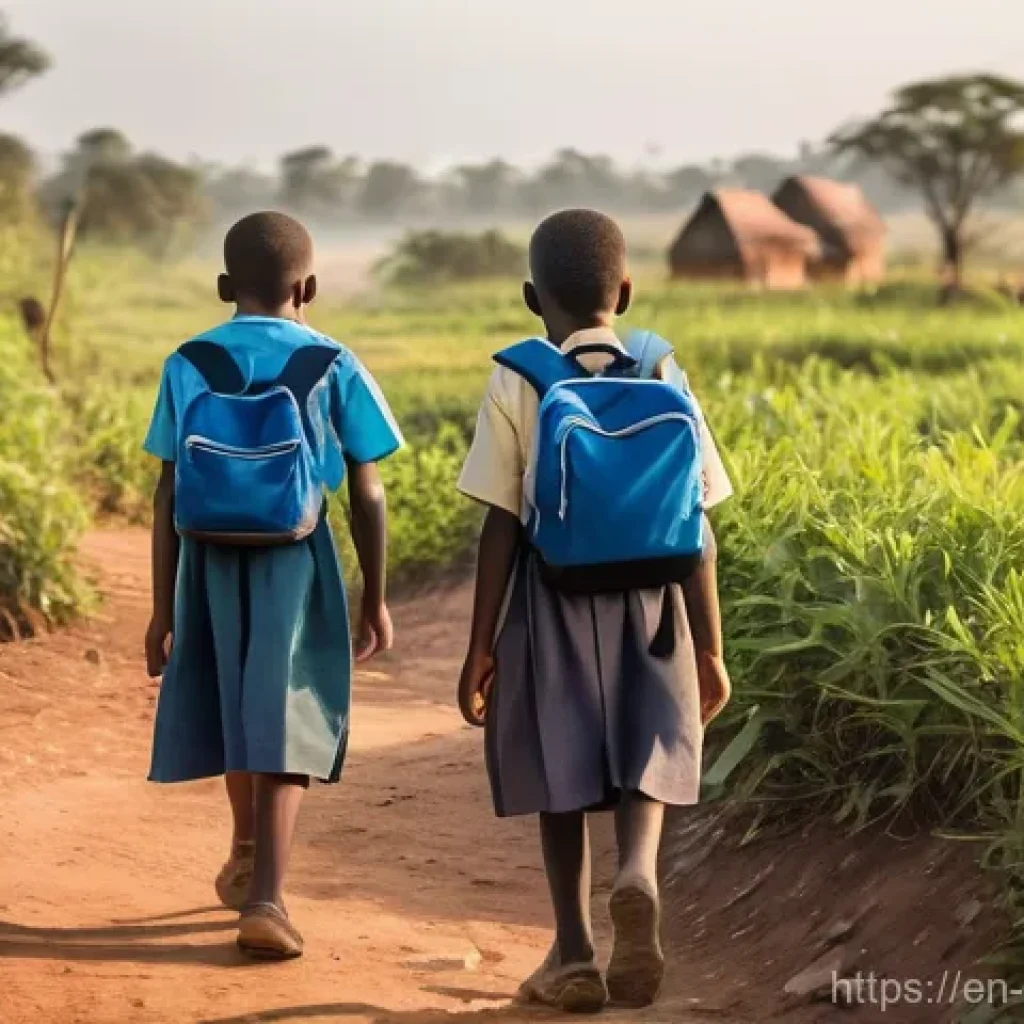
You know, when I think about my morning commute, it’s usually just a quick walk to grab coffee or a short drive. But for so many children in Zimbabwe, getting to school is an epic journey, a real testament to their sheer determination.
I can only imagine the grit it takes to wake up before dawn and start walking for miles, sometimes in complete darkness, just to reach a classroom. It’s not just the distance either; these aren’t always paved roads.
We’re talking about dusty paths, rugged terrain, and sometimes even crossing rivers, especially during the rainy season. I’ve read stories that just tug at your heartstrings, of young kids navigating these treacherous routes, all for the chance to learn.
It really puts things into perspective, doesn’t it? The energy and risk involved before they even open a book is astounding. It’s a daily marathon before the actual school day even begins, and it truly speaks volumes about their hunger for knowledge.
The Absence of Safe Transport
And it’s not like there are school buses waiting at every corner, or even reliable public transport in many of these remote areas. For us, a “bus ride” might mean a comfortable, air-conditioned journey.
For them, it could mean a dangerously overcrowded communal taxi, or simply no option at all but to walk. I’ve always been a big believer in accessible education, and witnessing (even from afar through research) this stark reality, it really hit me.
The lack of safe and affordable transportation isn’t just an inconvenience; it’s a huge barrier that actively prevents many children, especially younger ones or those with disabilities, from attending school regularly.
Imagine a child having to choose between a potentially dangerous journey and staying home, missing out on crucial learning. It’s a heartbreaking decision no family should have to make.
This challenge alone highlights just how profound the obstacles are before we even talk about textbooks or teachers.
Beyond the Classroom: The Struggle for Resources
Dilapidated Facilities and Overcrowding
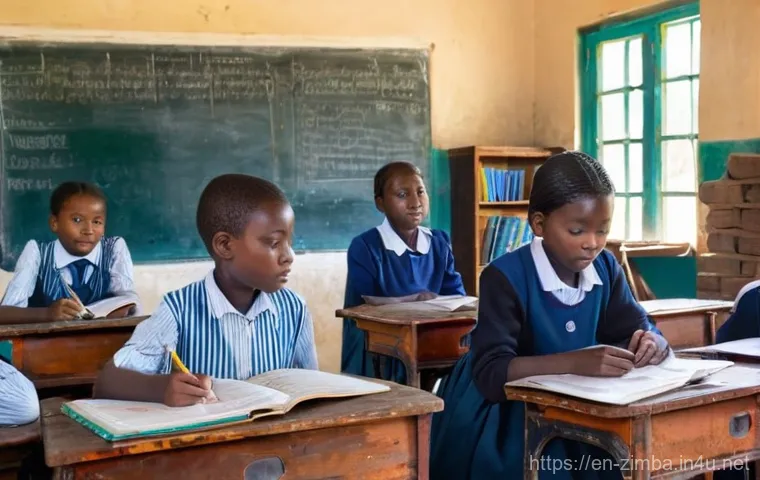
When I pictured a classroom growing up, I always imagined bright rooms, desks for everyone, and plenty of space. But in many parts of Zimbabwe, the reality is starkly different.
We’re talking about school buildings that are often in a state of disrepair, sometimes with crumbling walls, leaky roofs, and certainly not enough classrooms to accommodate the growing number of students.
It’s not uncommon to find classrooms bursting at the seams, with 60, 70, or even more students crammed into a space designed for far fewer. I mean, how can any child truly focus and learn effectively in such an environment?
It’s a logistical nightmare for teachers, let alone a conducive learning space for kids. I’ve seen images, and it truly drives home the point that the very foundation of learning – a safe and adequate space – is often missing.
It’s more than just a lack of comfort; it’s a direct impediment to effective teaching and learning, making concentration incredibly difficult.
The Scarcity of Learning Materials
And let’s not even start on learning materials. While we might complain about outdated textbooks, many Zimbabwean students don’t even have *any* textbooks for certain subjects.
Imagine trying to learn math or science without a textbook, or sharing one worn-out copy among five or six students. It’s a massive challenge. Beyond textbooks, things we consider basic, like exercise books, pens, and even chalk for the blackboard, are often in short supply.
I’ve personally felt the frustration of not having the right tools for a project, and it truly makes you appreciate the struggle these students face daily.
How can you develop a love for reading if there are no library books? How can you practice writing if you don’t have a pen and paper? This scarcity isn’t just an inconvenience; it severely limits the depth and breadth of education a child can receive, stifling their potential before it even has a chance to bloom.
It’s a constant battle to make do with so little.
Weathering the Storm: Climate Change and Learning
Disruption from Extreme Weather Events
It’s something we often talk about in abstract terms, but climate change has very real, tangible impacts on education in places like Zimbabwe. I’ve been following the news, and the increasing frequency of extreme weather events is truly alarming.
We’re talking about devastating droughts that leave communities struggling for water, leading to food insecurity and forcing children to drop out of school to help their families.
Then there are the unpredictable floods and cyclones that can literally wash away school buildings, destroy infrastructure, and make roads impassable.
I remember thinking about how a snow day might disrupt school for a day or two where I live; imagine losing your entire school building, or being unable to get there for weeks on end.
It’s not just a temporary closure; it often means a complete halt to learning, with long-term consequences for academic progress and emotional well-being.
These natural disasters disrupt everything, making consistent education a near impossibility for many.
The Impact on Rural Schools
Rural schools are particularly vulnerable to these climate-related challenges. They often lack the resources to rebuild quickly after damage, and their communities are more directly dependent on agriculture, which is severely impacted by changing weather patterns.
I’ve learned that when a family’s livelihood is destroyed by drought or flood, children are often the first to be pulled out of school to help with survival or to seek work.
This isn’t a choice made lightly; it’s a harsh necessity. The cycle is heartbreaking: climate change impacts communities, which in turn impacts children’s ability to stay in school and secure a better future.
It’s a cruel feedback loop that exacerbates existing inequalities. My heart truly goes out to these communities, battling not only poverty but also the relentless and often brutal force of nature, all while trying to give their children a fighting chance.
The Unsung Heroes: Teachers on the Front Lines
Battling Teacher Shortages and Low Morale
Honestly, when I think about the challenges in Zimbabwean education, the teachers are often the unsung heroes. They’re working under immense pressure, facing incredibly difficult conditions that most of us can barely imagine.
There’s a severe shortage of qualified teachers, especially in rural areas, which means those who *are* teaching are often overburdened with massive class sizes and multiple subjects.
And let’s be real, their salaries are often incredibly low, making it difficult for them to even meet their own basic needs. I’ve worked in environments where resources were scarce, but the level of dedication required here is just on another level.
It’s tough to maintain high morale and enthusiasm when you’re constantly battling against overwhelming odds, but many of these teachers continue to show up, day after day, driven by an incredible commitment to their students.
Their resilience is truly inspiring, but it’s also a stark reminder of the systemic issues at play.
Innovative Teaching in Challenging Environments
Despite these incredible hurdles, I’ve heard amazing stories of teachers who go above and beyond, finding innovative ways to teach with virtually nothing.
They’re improvising teaching aids, using local materials, and creating engaging lessons even without textbooks or electricity. Imagine having to draw diagrams in the dirt or using bottle caps for math lessons because you don’t have paper or proper manipulatives.
That’s the kind of ingenuity we’re talking about. These educators are not just delivering curriculum; they’re acting as counselors, mentors, and sometimes even providers for their students, understanding that their role extends far beyond the classroom walls.
I personally believe that true passion for teaching shines brightest in these challenging environments, demonstrating an unwavering commitment to shaping young minds against all odds.
It truly puts into perspective what dedication and resourcefulness can achieve.
Bridging the Digital Divide: Access to Modern Learning
Lack of Connectivity and Devices
In our interconnected world, it’s easy to take digital access for granted. I mean, I’m literally typing this on a laptop, connected to high-speed internet.
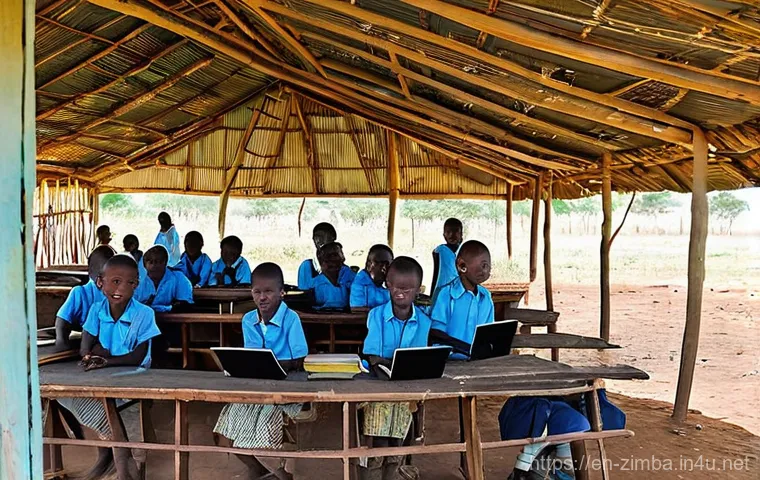
But for countless children in Zimbabwe, this reality is a distant dream. The digital divide is a massive hurdle, with limited internet connectivity, especially in rural areas, and a severe lack of devices like computers, tablets, or even smartphones suitable for learning.
When the world shifted to online learning during the pandemic, many Zimbabwean students were left completely behind, simply because they lacked the basic tools to participate.
It’s not just about entertainment; it’s about accessing a vast world of information, educational resources, and future opportunities. I’ve seen firsthand how technology can unlock potential, and the thought of so many being excluded from this modern learning landscape is truly disheartening.
It perpetuates a cycle where those already disadvantaged fall further behind in a globally competitive world.
The Potential of EdTech in Remote Areas
Despite the current challenges, I genuinely believe there’s immense potential for educational technology (EdTech) to make a difference, even in remote areas.
Imagine solar-powered learning hubs, offline educational content accessible via basic phones, or even community-shared tablets loaded with learning apps.
These aren’t just pie-in-the-sky ideas; they are actual solutions being explored and implemented in various forms. While the initial investment might be significant, the long-term benefits of providing access to quality digital learning resources could be transformative.
I’ve always been an optimist when it comes to technology’s power for good, and in this context, it could truly level the playing field, offering children a window to the world they might otherwise never experience.
It’s about finding creative, sustainable ways to bring the benefits of the digital age to every student, no matter where they live.
The Economic Squeeze: Impact on Families and Schools
The Burden of School Fees and Supplies
We often hear about “free education,” but the reality on the ground, especially in economically struggling nations like Zimbabwe, is far more complex.
Even when tuition fees are nominally waived, there are often numerous hidden costs that become a heavy burden for impoverished families. I’m talking about things like mandatory levies, examination fees, school uniforms, and the ever-present need for basic supplies like books and stationery.
For a family struggling to put food on the table, these seemingly small expenses can add up to an insurmountable barrier, forcing them to choose between educating one child or feeding the entire family.
I’ve personally been fortunate enough not to worry about such choices, and it makes me acutely aware of the privilege that comes with readily accessible education.
It’s a heartbreaking reality that financial constraints, rather than academic ability, often dictate a child’s educational journey.
Parental Support Amidst Poverty
And let’s talk about parental support. We all know how crucial a supportive home environment is for a child’s education. But what happens when parents themselves are battling extreme poverty, unemployment, or illness?
Their capacity to support their children’s learning, both financially and emotionally, is severely constrained. They might not have the means to provide extra study materials, pay for tutoring, or even ensure a well-lit, quiet space for homework.
I often reflect on the simple acts of encouragement from my own parents, and I can only imagine the additional pressure on Zimbabwean children whose parents are simply trying to survive.
Despite these immense challenges, the desire for their children to have a better future often drives parents to make incredible sacrifices, highlighting a deep love and hope for their offspring.
This resilience, born out of adversity, is truly powerful, even in the face of overwhelming odds.
A Glimmer of Hope: Community-Driven Solutions
Local Initiatives and Self-Help Groups
It’s easy to get overwhelmed by the sheer scale of the challenges, but I’ve also been incredibly inspired by the pockets of hope emerging from within communities themselves.
People aren’t just waiting for external aid; they’re taking matters into their own hands. I’ve heard about local initiatives where parents pool their meager resources to build makeshift classrooms, community members volunteer to teach, or self-help groups organize to raise funds for school supplies.
These grassroots efforts, born out of necessity and a collective belief in education, are truly powerful. It’s a beautiful demonstration of human resilience and the deep-seated desire to ensure their children have a better shot at life.
I’ve always believed that real change often starts from the ground up, and these community-driven solutions are a testament to that spirit. They show that even in the toughest circumstances, hope and collective action can pave the way forward.
The Role of NGOs and International Aid
Of course, these local efforts are often bolstered by the invaluable work of non-governmental organizations (NGOs) and international aid agencies. I’ve seen how their targeted interventions, from providing school meals and uniforms to constructing new classrooms and training teachers, can make a profound difference.
They often fill critical gaps where government resources are stretched thin, bringing much-needed expertise and funding. However, it’s not just about handouts; the most effective programs are those that collaborate closely with local communities, empowering them to take ownership and ensuring sustainable impact.
I personally believe that true partnership is key here – understanding local needs, respecting cultural contexts, and building capacity from within. It’s a complex ecosystem, but when these different layers of support work together, they create a powerful force for positive change, bringing genuine hope for a brighter educational future for Zimbabwean children.
| Educational Challenge | Specific Impact on Children | Potential Solutions in Practice |
|---|---|---|
| Geographical Barriers | Long, unsafe commutes; low attendance rates, especially for girls. | Community-run hostels; bicycle donations; establishing satellite schools. |
| Resource Scarcity | Overcrowded classrooms; lack of textbooks, stationery, and basic infrastructure. | Shared learning materials; teacher innovation with local resources; donor-funded school building projects. |
| Climate Change | School closures due to floods/droughts; increased dropout rates due to livelihood loss. | Climate-resilient school design; emergency learning kits; school feeding programs during crises. |
| Teacher Shortages | High student-to-teacher ratios; reduced quality of instruction; limited subject offerings. | Teacher training and retention programs; volunteer teaching; community support for educators. |
| Digital Divide | Exclusion from online learning; lack of access to global information and modern skills. | Solar-powered community learning hubs; offline digital content; basic phone-based learning platforms. |
| Economic Squeeze | Inability to pay fees/levies; children forced into labor instead of schooling. | School fee assistance programs; income-generating projects for families; transparent fee structures. |
Closing Thoughts
As we wrap up this journey through the myriad challenges facing education in Zimbabwe, I find myself filled with a mix of emotions. On one hand, the sheer scale of the obstacles – from arduous commutes and dilapidated classrooms to the relentless impacts of climate change and economic hardship – can feel truly overwhelming. It’s a stark reminder of the immense privilege many of us have simply by accessing a quality education without a second thought. My own experiences, though vastly different, allow me to empathize with the frustration of limited resources, but truly, the daily battle these children and educators face is on a scale I could barely have imagined before diving into this topic. It’s not just about learning facts; it’s about survival, resilience, and an unshakeable belief in a brighter tomorrow. What really sticks with me is the incredible spirit of the children, the unwavering dedication of the teachers, and the ingenuity of the communities who refuse to give up, finding light even in the darkest corners. This story isn’t just about hardship; it’s a profound testament to the human spirit’s enduring quest for knowledge and self-improvement, against all odds. It pushes me to think about how we, in our more comfortable positions, can contribute to making that dream a reality for more children across the globe.
Useful Information to Know
1. Understanding the Broader Context: When we talk about educational challenges in countries like Zimbabwe, it’s crucial to remember that they are often interconnected with wider socio-economic and environmental issues. Poverty, health crises, political instability, and climate change don’t exist in a vacuum; they compound the difficulties children face in accessing and staying in school. Truly grasping this complex web helps us appreciate the depth of the solutions needed, going beyond just building a school to addressing systemic issues. It really opened my eyes to how everything is linked.
2. The Power of Local Solutions: While international aid is vital, many of the most impactful and sustainable solutions originate within the communities themselves. Supporting local NGOs and grassroots initiatives often means empowering the very people who understand the unique cultural and practical needs best. I’ve seen how these community-driven projects, whether it’s parents pooling resources or volunteers teaching, foster a sense of ownership and ensure that solutions are tailored, practical, and long-lasting, often with remarkable ingenuity.
3. Beyond Financial Donations: Supporting Teachers: We often think about donating money or supplies, which are undoubtedly critical. However, the morale and professional development of teachers are equally important. Initiatives that provide training, fair wages, or even simply recognition and support for educators can have a massive ripple effect on the quality of instruction and the retention of skilled teachers in challenging areas. From my own experience, having a supportive environment makes all the difference, and it’s no different for these dedicated professionals.
4. Advocacy for Digital Inclusion: In today’s world, the digital divide is a growing concern. Advocating for policies and projects that bring affordable internet access and digital learning tools to remote communities can be transformative. It’s not just about textbooks anymore; access to online resources, digital skills, and global information is becoming essential for future success. Imagine the potential unlocked if every child had a window to the world through technology – it’s a future worth fighting for.
5. Reflecting on Your Own Educational Journey: Taking a moment to appreciate the ease with which many of us accessed education can be a powerful catalyst for empathy and action. Think about the resources you had, the safe commute, the dedicated teachers, and the abundance of learning materials. This reflection can deepen your understanding of what’s at stake for children in places like Zimbabwe and motivate you to contribute, even in small ways, to ensure more children have similar opportunities. It really makes you count your blessings and want to share the good fortune.
Key Takeaways
Having explored the intricate landscape of educational challenges in Zimbabwe, a few critical points stand out that I feel are absolutely essential to remember. Firstly, the journey to school itself is often an extraordinary feat, demanding immense courage and resilience from children who face geographical barriers and a severe lack of safe transportation daily. Secondly, the learning environments are frequently characterized by acute resource scarcity, from overcrowded classrooms to the dire absence of basic learning materials, which profoundly hinders effective education. This isn’t just about minor inconveniences; it’s about fundamental roadblocks to academic progress. Thirdly, the pervasive impacts of climate change, manifesting as devastating droughts and unpredictable floods, introduce an unpredictable layer of disruption, often forcing school closures and pushing vulnerable children out of education altogether as families struggle for survival. Furthermore, the dedication of teachers, despite facing severe shortages and low morale, is a true beacon of hope; their innovative spirit in challenging conditions is nothing short of inspiring. Finally, the stark digital divide and the economic squeeze on families, including the burden of school fees, continue to exacerbate inequalities, preventing many children from realizing their full potential. Yet, amidst these daunting challenges, the emergence of community-driven solutions and the vital role of NGOs offer a powerful glimmer of hope, proving that with concerted effort and genuine partnership, a brighter educational future for Zimbabwean children is not just a dream, but an achievable reality.
Frequently Asked Questions (FAQ) 📖
Q: What are the biggest everyday struggles for children trying to get an education in Zimbabwe?
A: You know, when I first started looking into this, my heart just went out to these kids. It’s not just about showing up to class; it’s a daily marathon.
Many children, especially in rural areas, face incredibly long walks to school, sometimes miles each way, often on empty stomachs. I can’t even imagine the sheer determination it takes, day in and day out, just to get there.
Then, once they arrive, the schools themselves are often really struggling. We’re talking about dilapidated classrooms, a severe lack of basic facilities like clean water and toilets, and hardly any textbooks or learning materials.
It’s a far cry from the vibrant, resource-rich environments we often take for granted. On top of that, poverty is this ever-present shadow. Families often can’t afford school fees, uniforms, or even a simple pencil and notebook.
I’ve read countless stories of children having to drop out to help their families earn a meager living, sometimes just selling small goods by the roadside.
It’s truly heartbreaking to see how these fundamental barriers can completely derail a child’s dreams before they even have a chance to bloom.
Q: How do natural disasters and the broader economic situation exacerbate these challenges for schools and students?
A: It’s like these children are facing a constant uphill battle, and then external forces just keep pushing them further down. From what I’ve gathered, Zimbabwe is really susceptible to extreme weather events, like devastating droughts that make life incredibly tough, or severe floods that can literally wash away schools and homes.
Imagine finally making it to school, only to find the building damaged or completely unusable, or your family being displaced. It’s not just a temporary disruption; it sets back their education and daily lives significantly.
And then there’s the broader economic climate, which casts a long, dark shadow over everything. The system is just stretched so thin. Teacher shortages are a huge issue – often, qualified educators leave for better opportunities abroad because the pay and working conditions at home are simply unsustainable.
This leaves classrooms overcrowded, with one teacher trying to manage far too many students, or even worse, without a teacher at all. It impacts the quality of education immensely.
I’ve often thought about the incredible resilience of these communities; despite all this, they keep trying to piece things back together, which is truly inspiring.
Q: Despite these enormous obstacles, what glimmers of hope and dedicated efforts are making a difference on the ground?
A: Oh, this is where you start to see the true spirit of humanity shine through, even in the toughest situations. While the challenges are immense, there’s a powerful current of hope flowing through Zimbabwe, driven by some incredibly dedicated individuals and organizations.
I’ve been so moved by the stories of local communities pulling together, sometimes with very little, to repair schools or even establish informal learning centers so their children don’t miss out.
Then you have the NGOs and international organizations, like UNICEF or Save the Children, who are doing crucial work. They’re not just providing emergency aid; they’re investing in building new classrooms, supplying essential learning materials, and implementing feeding programs that literally ensure children have enough energy to learn.
There are also efforts to train and support teachers, even offering incentives to keep them in the country, which is so vital. What I find truly powerful is how these initiatives aren’t just about charity; they’re about empowering communities and giving children the tools to build their own brighter futures.
It’s a long road, but seeing these dedicated efforts reminds me that education truly is the key to unlocking potential, no matter how many hurdles stand in the way.